
Why Galvanized Steel Lasts in a Goat Barn: Key Benefits

Is your goat barn built to withstand the harsh conditions that come with goat farming? Galvanized steel emerges as a frontrunner in barn construction, boasting durability and resilience that outshine alternative materials. This blog post dives into the key benefits of using galvanized steel in goat barns, revealing how its corrosion resistance and longevity can enhance both livestock housing and overall farm management. Discover why choosing galvanized steel is not just a smart investment but a vital decision for ensuring the safety and well-being of your goats.
Why Galvanized Steel Lasts in a Goat Barn: Key Benefits
Galvanized steel is an optimal choice for goat barns due to its robust properties that directly address the challenges of livestock housing. Its durability and longevity are unmatched when compared to traditional materials. The key benefits include:
- Corrosion Resistance
- The galvanization process coats steel with a layer of zinc, providing a barrier against moisture and waste, which are prevalent in goat barns. This significantly reduces the risk of rust and deterioration.
- Structural Integrity
- Galvanized steel maintains its strength and shape over time, even under heavy loads and adverse weather conditions. This durability ensures that the barn remains safe and functional for the goats.
- Low Maintenance Requirements
- Compared to wood or untreated metals, galvanized steel requires minimal upkeep. Routine inspections and occasional cleaning can prolong its lifespan, making it a cost-effective option for farmers.
- Pest Resistance
- Unlike wood, galvanized steel does not provide a conducive environment for pests such as rodents and termites, which can compromise the integrity of the barn.
- Cost-Effectiveness
- The initial investment in galvanized steel is often offset by the long-term savings in maintenance and replacement costs. Its durability translates to fewer repairs and a longer lifespan.
| Benefit | Description |
|---|---|
| Corrosion Resistance | Protects against moisture and waste, reducing rust risk. |
| Structural Integrity | Maintains strength over time, ensuring barn safety. |
| Low Maintenance | Requires minimal upkeep, making it cost-effective. |
| Pest Resistance | Does not attract pests, preserving barn integrity. |
| Cost-Effectiveness | Long lifespan reduces long-term maintenance costs. |
Properties of Galvanized Steel
Galvanized steel is a superior material choice for goat barns due to its essential properties that cater to the demanding conditions of livestock housing. Its unique characteristics ensure longevity and reliability in agricultural settings.
- Corrosion Resistance
- The galvanization process involves coating steel with a layer of zinc, which acts as a protective barrier against moisture and waste. This is crucial in goat barns where exposure to such elements is constant. The corrosion resistance of galvanized steel significantly reduces the likelihood of rust and deterioration over time.
- Durability
- Galvanized steel maintains its structural integrity and strength under heavy loads and harsh environmental conditions. Unlike untreated wood, which may warp or rot, galvanized steel remains stable, ensuring that the barn's structure is safe and functional for the goats. This durability translates to fewer repairs and less frequent replacements.
- Comparison with Wood and Other Metals
- When compared to traditional materials like untreated wood or aluminum, galvanized steel outperforms in terms of lifespan and maintenance. Wood can be susceptible to pests and moisture damage, leading to costly repairs. Untreated metals may also corrode quickly. In contrast, galvanized steel withstands the rigors of a livestock environment, providing a long-lasting solution for goat farmers.
| Property | Description |
|---|---|
| Corrosion Resistance | Protective zinc layer prevents rust from moisture exposure. |
| Durability | Maintains strength and shape under heavy loads and adverse conditions. |
| Comparison with Wood | Outlasts wood by resisting pests and moisture damage. |
| Comparison with Other Metals | Less prone to corrosion than untreated metals like aluminum. |
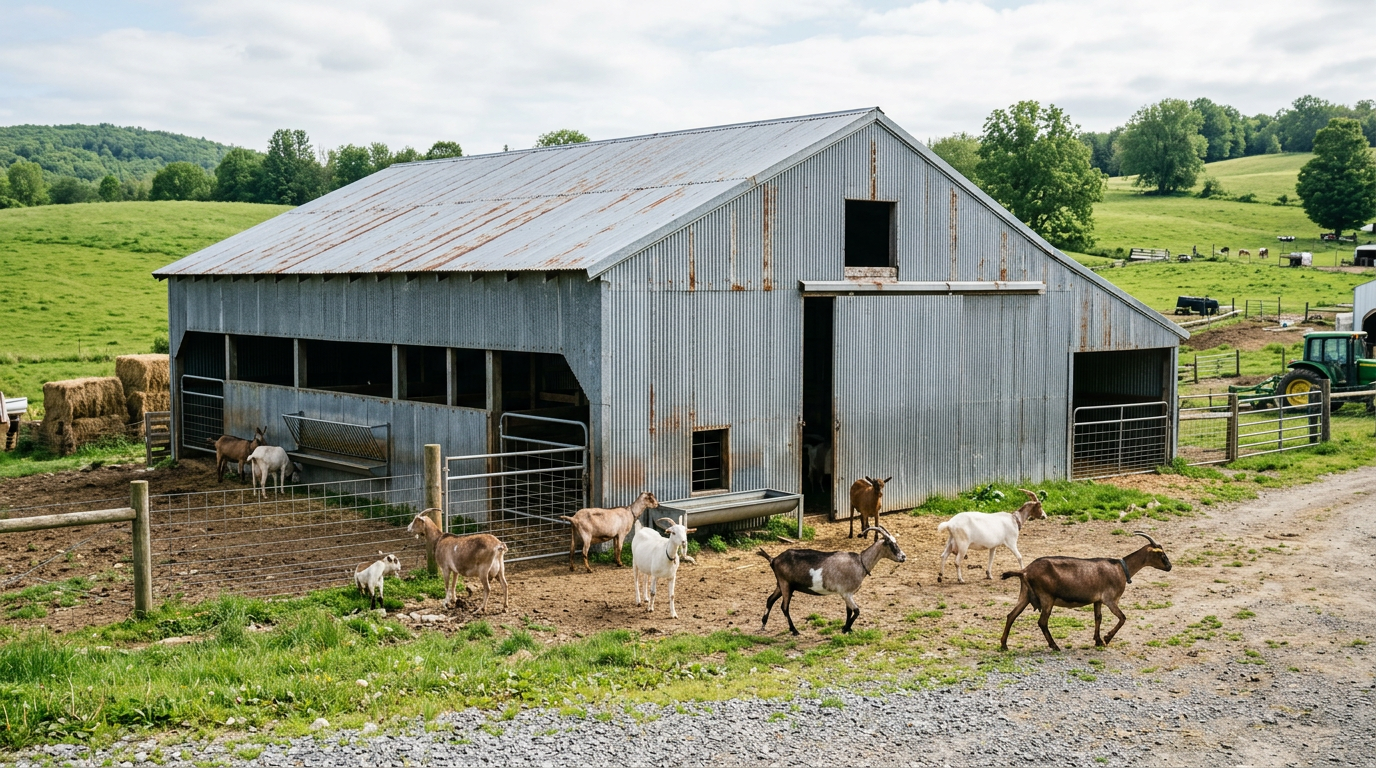
Benefits of Using Galvanized Steel in Goat Barn Design
Galvanized steel is a superior choice for goat barn construction due to its unique benefits that address the specific requirements of livestock housing. The following points highlight the advantages of using galvanized steel in goat barn design:
- Resistance to Moisture and Waste
- Galvanized steel’s protective zinc coating effectively prevents rust and corrosion, making it highly suitable for environments with high moisture and waste exposure. This resistance ensures the barn remains structurally sound and safe for the goats.
- Long-term Structural Integrity
- The durability of galvanized steel means it can withstand heavy loads and harsh weather conditions without compromising its structural integrity. Unlike wood, which may warp or degrade over time, galvanized steel retains its strength, ensuring a reliable shelter for livestock.
- Cost-Effectiveness Compared to Other Materials
- Although the initial investment in galvanized steel may be higher than traditional materials, its longevity and low maintenance requirements lead to significant cost savings over time. Reduced repair and replacement costs make galvanized steel a financially sound choice for goat farmers.
| Benefit | Description |
|---|---|
| Resistance to Moisture and Waste | Prevents rust and corrosion, suitable for damp environments. |
| Long-term Structural Integrity | Withstands heavy loads and harsh conditions without degrading. |
| Cost-Effectiveness | Long lifespan reduces overall maintenance and replacement costs. |
Maintenance of Galvanized Steel in Goat Barns
Regular maintenance of galvanized steel structures in goat barns is crucial for enhancing longevity and performance. Implementing a systematic approach ensures that the benefits of galvanized steel are maximized while preventing potential issues. Key maintenance tips include:
- Routine Inspections
- Conduct periodic inspections to identify signs of wear or damage. Check for any rust spots, dents, or loose fittings that could compromise structural integrity. Early detection allows for timely repairs, preventing more significant problems down the line.
- Cleaning Practices
- Regularly clean galvanized steel surfaces to remove dirt, manure, and other contaminants. Use a mild detergent and water solution with a soft brush to avoid scratching the galvanized coating. This practice helps maintain the protective layer and prevents corrosion.
- Repairing Minor Damage
- Address any minor damage immediately to prevent corrosion from spreading. Touch up any exposed areas with galvanized paint or a zinc-rich spray to restore the protective barrier. This simple step can significantly extend the life of the galvanized steel.
| Maintenance Task | Description |
|---|---|
| Routine Inspections | Check for wear, rust, and structural integrity regularly. |
| Cleaning Practices | Use mild detergent and water to clean surfaces regularly. |
| Repairing Minor Damage | Touch up exposed areas with galvanized paint or spray. |
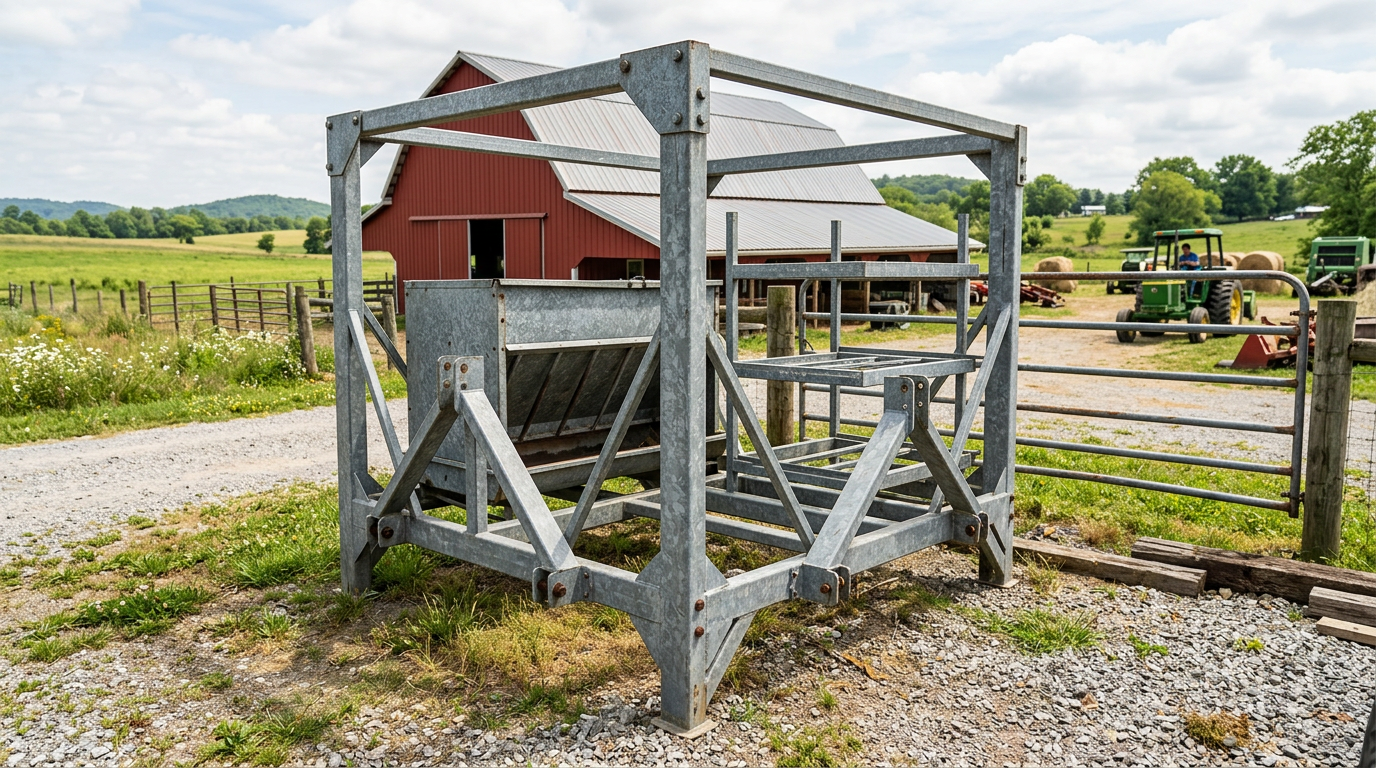
Case Studies: Galvanized Steel in Action
Practical examples from the field showcase the effectiveness of galvanized steel in goat farming, highlighting its durability and low maintenance requirements. These case studies illustrate how various goat farmers have successfully implemented galvanized steel in their barn designs.
- Case Study Examples
- Farm A: Located in a humid region, this farm constructed its goat barn entirely from galvanized steel. After five years, the owners reported no signs of corrosion or structural compromise, despite the challenging weather conditions.
- Farm B: This farm opted for a mixed-material approach but utilized galvanized steel for the roof and main framework. They noted that while wooden structures required frequent repairs, the galvanized steel components remained intact, significantly reducing long-term costs.
- Farm C: In an area prone to pests, this farm chose galvanized steel for its resistance to rodents and termites. The owners observed a marked decrease in pest-related issues, which enhanced the health of their goats and reduced veterinary costs.
- Key Takeaways for Goat Farmers
- Long-Lasting Investment: The initial cost of galvanized steel may be higher, but the longevity and reduced maintenance make it a cost-effective choice over time.
- Adaptability: Galvanized steel can be easily integrated into existing structures or new designs, providing flexibility in barn construction.
- Health Benefits: A pest-resistant environment contributes to the overall health of the herd, reducing potential health risks associated with infestations.
- Long-term Benefits Realized
- Many farmers reported savings on maintenance and repairs, allowing them to allocate resources to other aspects of their operations.
- The structural integrity of barns made from galvanized steel ensured consistent shelter for goats, impacting productivity positively.
- Increased resale value of properties with galvanized steel structures was noted, as buyers recognize the benefits of durable materials.
| Case Study | Outcome |
|---|---|
| Farm A | No corrosion or structural issues after five years. |
| Farm B | Reduced repairs on wooden structures; galvanized parts remained intact. |
| Farm C | Significant decrease in pest-related health issues. |
Final Words
Final Words
Galvanized steel stands out as the premier choice for goat barns, thanks to its exceptional durability and corrosion resistance. Its properties outperform traditional materials, ensuring a safe, long-lasting environment for livestock. The benefits of integrating galvanized steel into barn design include enhanced structural integrity and low maintenance needs, making it a cost-effective solution for goat farmers.
Real-world case studies further validate these advantages, showcasing the successful application of galvanized steel in agricultural settings. Embracing this material will not only optimize goat housing but also contribute to improved management practices. Understanding why galvanized steel lasts in a goat barn is crucial for any farmer aiming for longevity and efficiency.
FAQ
Q: Why is galvanized steel ideal for goat barns?
A: Galvanized steel is durable and resistant to corrosion, making it suitable for goat barns. Its longevity ensures reliable housing, even in moist, waste-exposed environments.
Q: What are the properties of galvanized steel?
A: Galvanized steel offers corrosion resistance and exceptional durability. It outperforms untreated wood and metals, ensuring longevity in livestock housing applications.
Q: What are the benefits of using galvanized steel in goat barn design?
A: Galvanized steel resists moisture and waste, providing structural integrity. It is cost-effective and enhances the longevity of goat barns compared to other materials.
Q: How should galvanized steel be maintained in goat barns?
A: Regular maintenance includes routine inspections, cleaning practices, and promptly repairing minor damage to ensure the longevity and effectiveness of galvanized steel structures.
Q: What are some case studies involving galvanized steel in goat barns?
A: Case studies highlight successful applications of galvanized steel in goat farming, showcasing durability and maintenance benefits. Key takeaways include practical insights and long-term advantages for goat farmers.


