
Why a Covered Hay Feeder Pays for Itself Efficiently

Is your hay budget spiraling out of control? A covered hay feeder might be the solution you didn’t know you needed. With the ability to reduce hay waste by up to 30%, these feeders not only preserve your feed but also enhance the health of your livestock. Imagine a system that shelters hay from the elements, ensuring your animals receive the best nutrition possible while saving you money in the long run. This post will explore how investing in a covered hay feeder pays for itself efficiently, both financially and in terms of animal welfare.
Why a Covered Hay Feeder Pays for Itself Efficiently
Covered hay feeders offer multiple benefits that contribute to their cost-effectiveness, making them a smart investment for livestock owners.
- Reduces hay waste by up to 30%
- Provides shelter from adverse weather conditions, improving hay preservation
- Enhances overall animal health, leading to more robust livestock
- Leads to better weight gain, increasing productivity
- Lowers veterinary costs due to healthier animals
The significant reduction in hay waste directly translates to financial savings. By protecting hay from rain, snow, and wind, covered feeders ensure that animals receive the maximum nutritional value from their feed. This not only supports better health but also enhances growth rates, which ultimately boosts productivity.
In addition, healthier animals result in fewer veterinary visits, further decreasing long-term costs. The combination of these factors demonstrates how a covered hay feeder can quickly pay for itself through improved efficiency and cost savings, making it an indispensable tool for effective livestock management.
Covered Hay Feeder Cost Savings
The cost-effectiveness of covered hay feeders is evident when analyzing the initial investment against potential long-term savings. Initial costs for these feeders typically range from $300 to $1,500, influenced by factors such as size and materials used. While the upfront cost may appear significant, the benefits realized through reduced hay waste and improved animal health quickly offset this initial outlay.
The potential long-term savings can reach hundreds of dollars annually, primarily by minimizing hay waste and lowering veterinary expenses associated with healthier livestock. Below is a detailed cost analysis showcasing the financial implications of investing in a covered hay feeder.
| Item | Cost Range | Annual Savings Potential |
|---|---|---|
| Initial Investment | $300 - $1,500 | - |
| Reduced Hay Waste | - | Up to $500 |
| Veterinary Costs | - | Up to $300 |
Financial advantages of covered hay feeders include:
- Initial investment varies based on size and design, allowing for tailored options to fit different budgets.
- Significant long-term savings arise from reduced hay waste, contributing to overall cost efficiency.
- Improved animal health leads to decreased veterinary costs, enhancing the return on investment over time.
Investing in a covered hay feeder not only improves feeding efficiency but also serves as a financially sound decision for livestock management, highlighting its value in reducing operational costs.
Case Studies and Testimonials
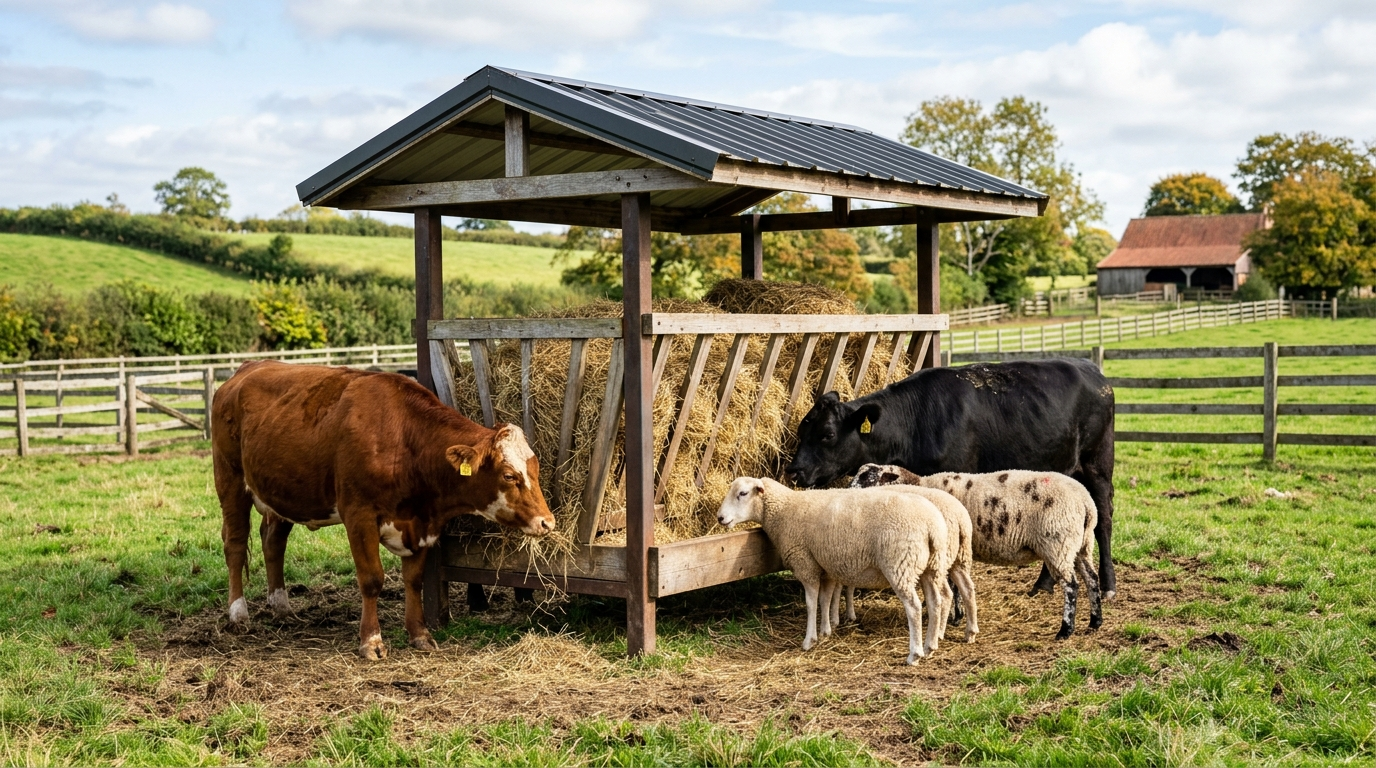
Real-life experiences from livestock owners demonstrate the effectiveness of covered hay feeders and their impact on efficiency and animal health. These testimonials provide valuable insights into the practical benefits of investing in this equipment.
- Livestock owner A reports a 25% reduction in hay waste since implementing a covered hay feeder, significantly lowering feed costs.
- Livestock owner B notes improved weight gain in their livestock, attributing the enhancement to the consistent quality and accessibility of hay.
- Livestock owner C emphasizes a decrease in veterinary expenses, stating that healthier animals require fewer medical interventions.
Case Study Overview
Farm X, a mid-sized cattle operation, implemented a covered hay feeder system one year ago. The decision was driven by the need to reduce hay waste and improve overall herd health. After one year of using the covered feeders, the farm reported the following results:
- Hay waste decreased by 30%, translating to substantial savings on feed costs.
- The average weight gain of the cattle increased by 15%, leading to a more profitable meat yield.
- Veterinary expenses dropped by 20%, reflecting the overall health improvements in the herd.
These real-world examples illustrate how covered hay feeders enhance feeding efficiency while promoting better health outcomes for livestock, ultimately showcasing the financial benefits of this investment.
Choosing the Right Covered Hay Feeder
Selecting the appropriate covered hay feeder is crucial for maximizing efficiency and minimizing costs. Several key factors must be considered to ensure the feeder meets the specific needs of the livestock.
- Size suitable for the number of animals
- Material durability and weather resistance
- Design features for ease of access
When assessing size, it's essential to choose a feeder that accommodates the number of animals being fed, ensuring they all have access without overcrowding. Material selection plays a significant role in the longevity of the feeder; opting for weather-resistant materials will extend its lifespan and maintain hay quality. Additionally, design features such as easy access for refilling and cleaning can significantly enhance usability and convenience.
| Model Name | Capacity | Price Range |
|---|---|---|
| Model A | 10 bales | $400 - $600 |
| Model B | 15 bales | $700 - $900 |
| Model C | 20 bales | $1,000 - $1,500 |
By evaluating these factors, livestock owners can select a covered hay feeder that not only suits their operational needs but also enhances overall productivity and cost-effectiveness.
Best Practices for Using Covered Hay Feeders
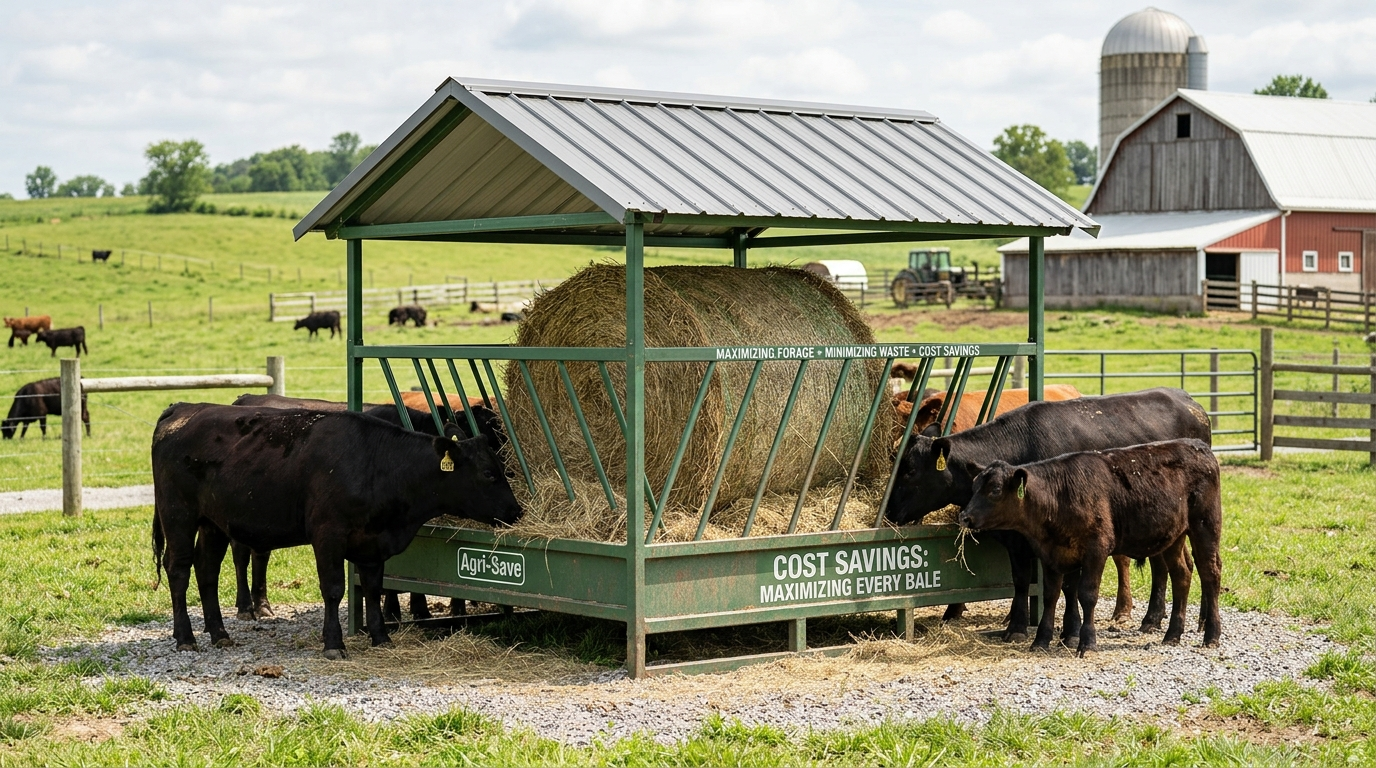
Implementing best practices for using covered hay feeders can significantly enhance their effectiveness and ensure optimal performance in livestock management. The following recommendations will help maximize hay usage and maintain the feeder's functionality.
- Regularly check for damage and wear to ensure the feeder remains safe and effective for use.
- Position the feeder in a sheltered location to protect it from harsh weather conditions and prolong its lifespan.
- Educate users on proper feeding techniques to maximize efficiency and minimize waste.
Maintenance is crucial for prolonging the life of covered hay feeders and ensuring they function effectively. Adopting the following maintenance tips can prevent issues and enhance performance:
- Clean the feeder regularly to prevent mold growth, which can compromise animal health.
- Inspect the structural integrity of the feeder periodically to identify any signs of wear or potential failure.
- Ensure proper drainage to avoid moisture buildup, which can lead to spoilage of hay and other feed materials.
By following these best practices and maintenance tips, livestock owners can optimize the use of covered hay feeders, ultimately contributing to cost savings and improved animal health.
Final Words
Final Words
Implementing a covered hay feeder significantly enhances hay management and animal health. Key benefits include a reduction in hay waste by up to 30%, protection from adverse weather, and improved weight gain for livestock. The initial investment may vary, but long-term savings can reach hundreds annually due to reduced hay and veterinary costs.
Real-life testimonials reinforce the positive impact on livestock efficiency and well-being. When selecting a feeder, consider size, material, and design features that suit specific needs. Following best practices for usage and maintenance ensures optimal performance. Ultimately, a covered hay feeder pays for itself through increased efficiency and healthier animals.
FAQ
Q: What are the benefits of a covered hay feeder?
A: Covered hay feeders can reduce hay waste by up to 30%, provide shelter from adverse weather, enhance animal health, lead to better weight gain, and lower veterinary costs.
Q: How much does a covered hay feeder cost?
A: Initial investment for covered hay feeders ranges from $300 to $1,500, with long-term savings potentially amounting to hundreds of dollars annually from reduced hay costs.
Q: What do testimonials say about covered hay feeders?
A: Livestock owners report increased efficiency, with one noting 25% less hay waste and others highlighting healthier weight gain and reduced veterinary expenses.
Q: How to choose the right covered hay feeder?
A: Consider factors like size for animal capacity, material for durability, and design features for easy access when selecting a covered hay feeder.
Q: What are the best practices for using covered hay feeders?
A: Regularly check for damage, position feeders in sheltered locations, and educate users on proper feeding techniques to maximize hay usage and effectiveness.


