
The Goat Stand Setup That Works for Any Size Herd

Is your goat stand either too cramped for one or overly complex for a herd? The right setup can transform goat care from a chore into a streamlined process, regardless of whether you have a single goat or an entire flock. Goat stands are crucial for milking, veterinary check-ups, and grooming, providing stability and safety for both goats and owners. This guide will explore adaptable goat stand designs that cater to any herd size, ensuring efficient care while enhancing your management practices. Understanding the significance of a well-designed goat stand is essential for optimal herd health and productivity.
The Goat Stand Setup That Works for Any Size Herd
Goat stands are essential tools for efficient management and care, regardless of herd size. They facilitate critical tasks such as milking, veterinary checks, and grooming, thereby enhancing overall herd health. The design of a goat stand can be adapted to accommodate both single goats and larger groups, ensuring functionality and comfort.
Importance of Goat Stands
- Facilitate Routine Care: Simplifies tasks like hoof trimming, vaccinations, and milking.
- Promote Safety: Provides a secure environment for both goats and handlers during care procedures.
- Enhance Efficiency: Reduces time spent on routine tasks, allowing for more effective herd management.
Design Variations
- Individual Goat Stands: Ideal for small farms or owners with a few goats. They typically feature a simple design, making them easy to build and maintain.
- Multi-Goat Stands: Suitable for larger herds, these stands can accommodate several goats at once. They often include adjustable features to cater to different sizes and breeds.
Key Features to Consider
- Adjustability: Ensure the height and width can be modified for different goats.
- Durability: Use high-quality materials to withstand regular use and outdoor conditions.
- Safety Features: Incorporate guardrails or non-slip surfaces to prevent falls or injuries.
By incorporating these elements, goat owners can create an effective stand that meets the needs of their entire herd, ensuring optimal care and management practices.
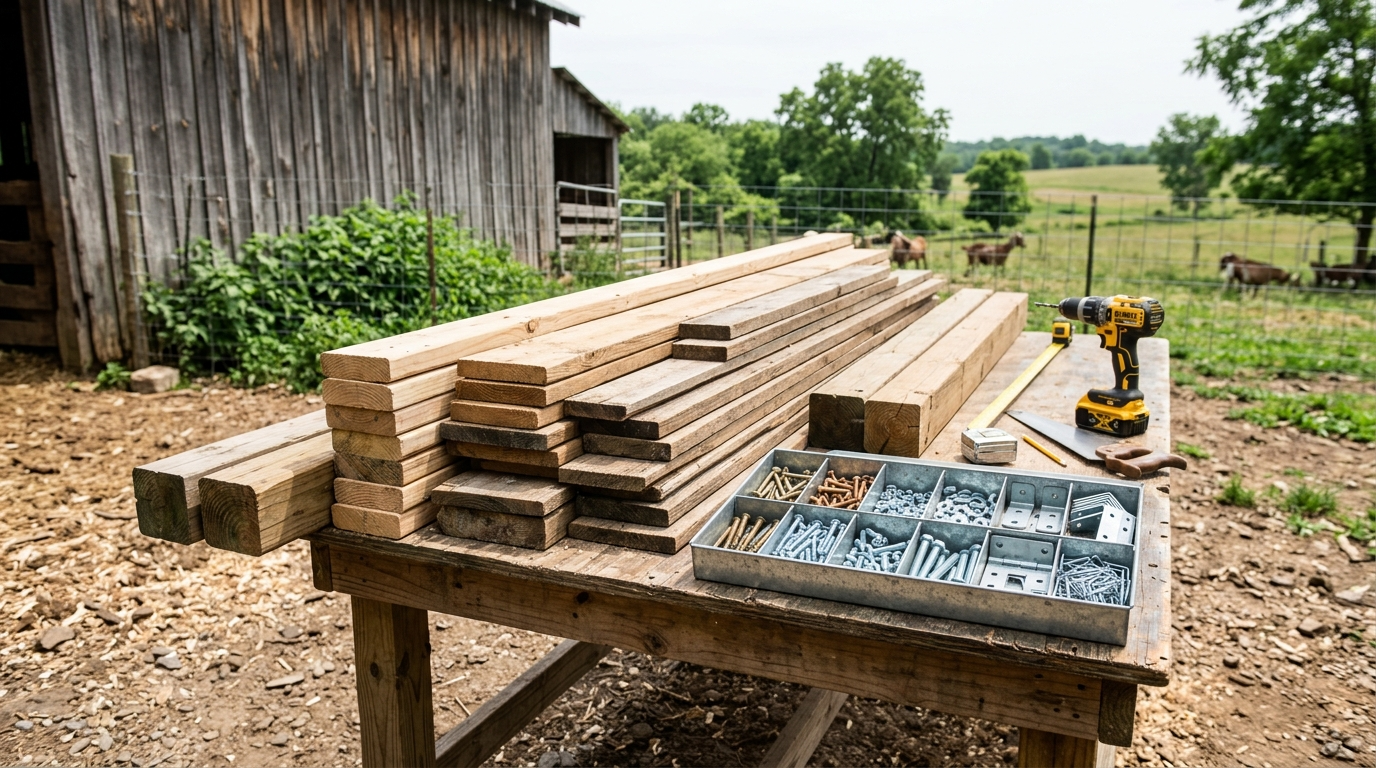
Materials Needed for Construction of a Goat Stand
Constructing a goat stand requires specific materials to ensure durability, safety, and functionality. Selecting the right wood and hardware is crucial for building a stand that can withstand regular use. Below is a comprehensive list of essential materials needed for constructing a goat stand.
- Wood Types:
- Treated Lumber: Resists rot and insect damage, ideal for outdoor use.
- Plywood: Provides a sturdy surface for the platform, ensuring stability.
- Hardware:
- Screws: Use heavy-duty screws for structural integrity.
- Nails: Galvanized nails can help with securing joints and connections.
- Hinges: Necessary for any movable parts, ensuring smooth operation.
- Optional Accessories:
- Non-slip Mats: Enhance safety by providing grip on the platform, preventing slips.
- Feeding Trays: Useful for holding feed while goats are on the stand, promoting comfort during the process.
| Material Type | Examples | Purpose |
|---|---|---|
| Wood | Treated Lumber, Plywood | Framework and platform construction |
| Hardware | Screws, Nails, Hinges | Joining components securely |
| Accessories | Non-slip Mats, Feeding Trays | Safety and comfort enhancements |
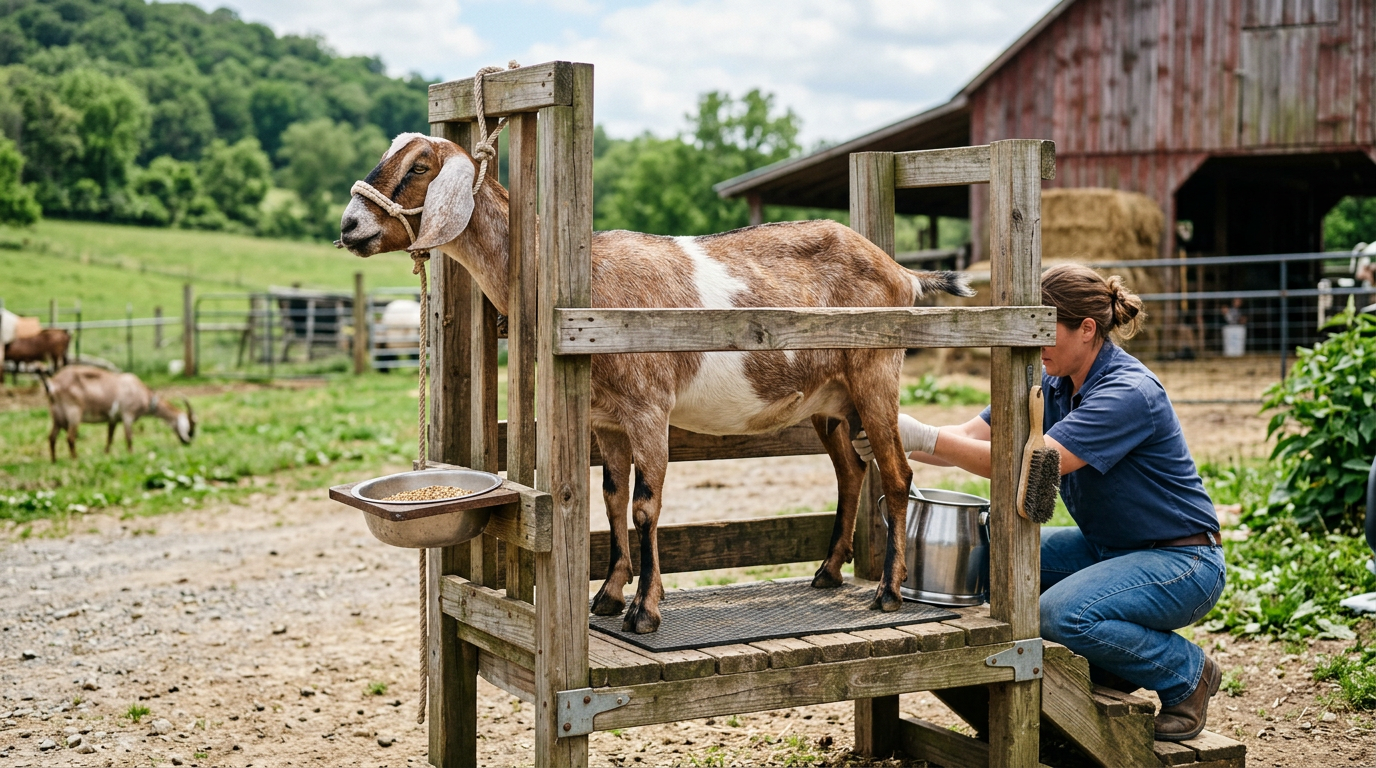
Step-by-Step Instructions for Building a Goat Stand
Constructing a goat stand requires careful planning and execution to ensure it meets the needs of both the goats and the handlers. Follow these detailed steps for an effective build.
- Measuring and Cutting Materials:
- Accurately measure the wood based on the desired dimensions of the stand. For individual goats, a height of 30-36 inches and a width of 24 inches may suffice. For larger breeds, increase height and width accordingly.
- Use a circular saw or miter saw to cut the wood according to your measurements. Ensure all cuts are straight and clean to avoid splinters.
- Assembling the Base:
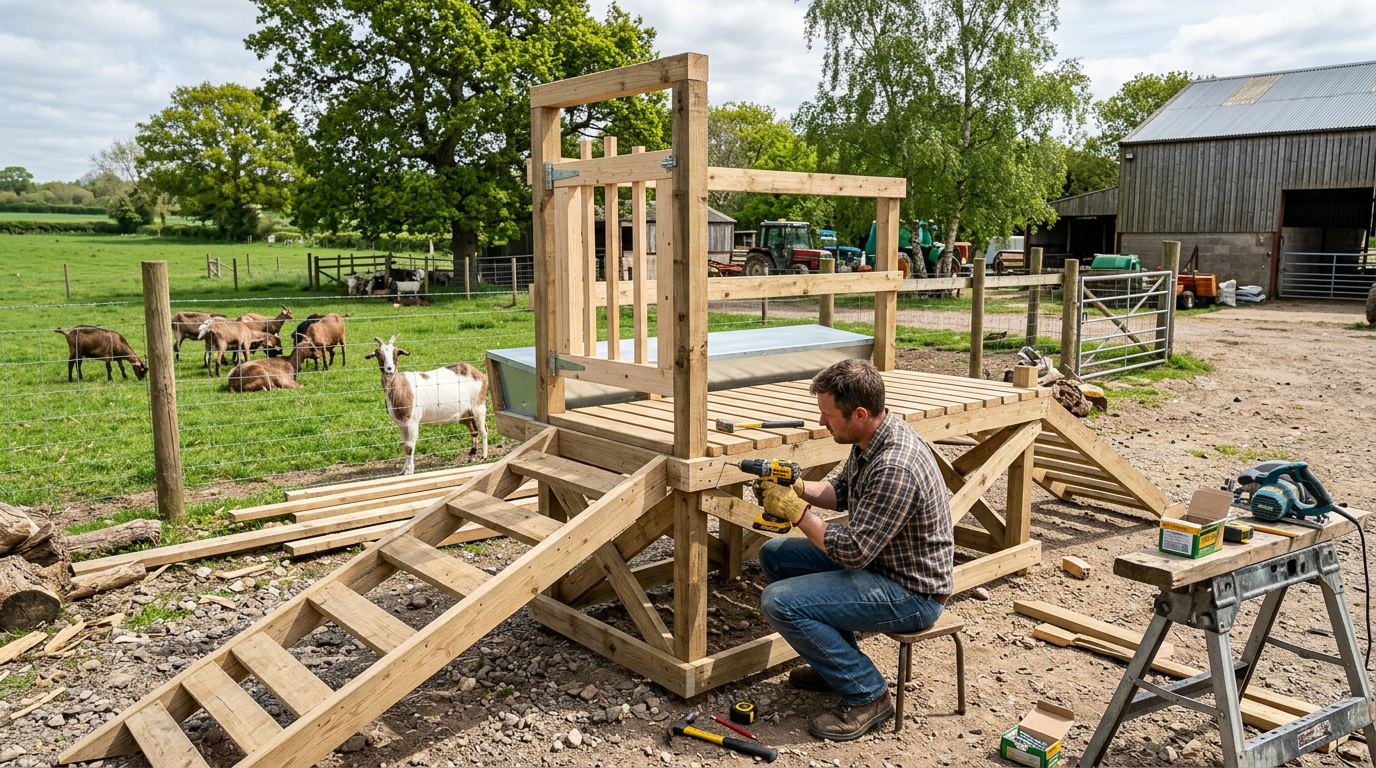
- Start with the base structure, using treated lumber for durability. Lay out the frame on a flat surface, connecting the corner pieces with screws to create a rectangular shape.
- Reinforce the frame with additional cross supports in the middle to ensure stability. This will help distribute the weight evenly when a goat is on the stand.
- Constructing the Platform:
- Attach plywood to the top of the base frame, ensuring it is securely fastened with screws. The platform should be slightly larger than the frame to provide a comfortable space for the goat.
- Ensure the surface is smooth and free of any sharp edges to prevent injuries.
- Adding Safety Features:
- Install guardrails on the sides of the platform to prevent the goat from slipping off during use. These should be at least 6-8 inches high and securely attached.
- Consider adding non-slip mats on the platform surface for additional grip, especially when goats are being groomed or examined.
| Step | Action | Details |
|---|---|---|
| 1 | Measuring and Cutting Materials | Use accurate measurements for individual goats (e.g., 30-36 inches high) |
| 2 | Assembling the Base | Create a rectangular frame, adding cross supports for stability |
| 3 | Constructing the Platform | Attach plywood on top, ensuring a smooth surface |
| 4 | Adding Safety Features | Install guardrails and non-slip mats for goat safety |
Design Variations for Herd Sizes
When designing goat stands, it is crucial to consider the size of the herd they will serve. The design can vary significantly between individual goat stands and those meant for multiple goats. Below are key design considerations that ensure functionality, comfort, and ease of use.
- Design Considerations:
- Individual Goat Stand Features:
- Simple and compact design for easy access and maintenance.
- Adjustable height to accommodate different breeds and sizes.
- Safety features like guardrails to prevent falls.
- Multi-Goat Stand Configurations:
- Larger platforms with divided sections to hold multiple goats safely.
- Adjustable panels to cater to different goat sizes, allowing for versatility.
- Enhanced stability features to support several goats at once without tipping.
- Adjustments for Space-Saving Needs:
- Foldable designs that can be stored away when not in use.
- Modular components that allow for expansion or reduction based on herd size.
Individual Goat Stand Design
An individual goat stand typically features a straightforward design that facilitates easy grooming, milking, and veterinary care. Essential features include:
- Compact Size: Allows for placement in smaller spaces, making it ideal for hobbyists or small-scale breeders.
- Adjustable Height: Ensures the stand can be modified for different goat breeds, promoting comfort during use.
- Safety Mechanisms: Incorporates features such as non-slip surfaces and guardrails to enhance safety for the goat.
Multi-Goat Stand Design
A multi-goat stand is designed to accommodate several goats simultaneously, enhancing efficiency during care routines. Important elements include:
- Divided Sections: Each section should securely hold a goat, preventing them from escaping or overcrowding.
- Adjustable Panels: Allows customization of the space based on the size of the goats being cared for, ensuring optimal comfort.
- Robust Construction: The stand must be built to handle the weight and movement of multiple goats, ensuring stability during use.
| Design Type | Key Features | Benefits |
|---|---|---|
| Individual Goat Stand | Compact, Adjustable Height, Safety Mechanisms | Easy to use, ideal for small spaces, enhances safety |
| Multi-Goat Stand | Divided Sections, Adjustable Panels, Robust Construction | Efficiency for larger herds, customizable for size, durable |
Tips for Effective Usage of Goat Stands
Utilizing goat stands effectively enhances grooming and care processes for goats, ensuring their health and well-being. Implementing the following strategies can lead to improved management and efficiency during routine care.
- Training Goats to Use the Stand:
- Start with familiarizing goats with the stand by allowing them to explore it.
- Use positive reinforcement, such as treats or feed, to encourage goats to step onto the stand.
- Gradually introduce them to grooming or milking while on the stand to build comfort and familiarity.
- Ensuring Comfort and Safety During Grooming:
- Install non-slip surfaces on the stand to prevent slipping and enhance stability.
- Adjust the height of the stand to suit the size of the goat, ensuring they are comfortable while on it.
- Use gentle handling techniques during grooming to minimize stress and discomfort for the goats.
- Creating a Routine for Regular Use:
- Establish a consistent schedule for grooming or other care tasks utilizing the stand to create familiarity.
- Incorporate a reward system for goats that consistently use the stand to reinforce positive behavior.
- Monitor the goats' reactions and adjust the routine as necessary to maintain a stress-free environment.
| Tip | Description |
|---|---|
| Training Goats | Familiarize goats with the stand using positive reinforcement techniques. |
| Comfort & Safety | Install non-slip surfaces and adjust height for goat comfort. |
| Regular Routine | Establish a consistent schedule for using the stand to promote familiarity. |
Maintenance and Care of the Goat Stand
Maintaining a goat stand is essential for ensuring its longevity and functionality. Regular care not only extends the life of the stand but also promotes a safe environment for both goats and handlers. Below are key maintenance tasks that should be performed routinely.
- Regular Inspections:
- Check for any signs of wear and tear, including loose screws, cracked wood, or rusted hinges.
- Inspect the stability of the stand by ensuring all legs are secure and the base is level.
- Assess safety features, such as guardrails and non-slip surfaces, to ensure they are intact and effective.
- Cleaning Procedures:
- Clean the stand after each use to prevent the buildup of dirt, manure, and bacteria. Use a mixture of soap and water for effective cleaning.
- Disinfect surfaces periodically, especially where goats make contact, to minimize health risks.
- Ensure that feeding trays and any removable parts are also cleaned regularly.
- Repairing Damage Promptly:
- Address any damages immediately to avoid further deterioration. Replace or repair loose or broken components without delay.
- Tighten screws and bolts regularly to maintain structural integrity.
- For wood damage, sand down rough areas and apply a protective sealant to prevent further issues.
| Maintenance Task | Description |
|---|---|
| Regular Inspections | Check for wear, stability, and safety features. |
| Cleaning Procedures | Clean and disinfect the stand after use. |
| Repairing Damage | Fix any issues immediately to maintain functionality. |
Troubleshooting Common Issues with Goat Stands
Goat stands, while invaluable, can present challenges that require troubleshooting to ensure optimal functionality. Identifying common issues and implementing solutions can enhance the overall effectiveness of goat care routines.
- Common Issues:
- Instability Concerns: Stands may wobble or tip, posing safety risks.
- Modifications for Improved Functionality: Adjustments might be needed to accommodate different goat sizes and breeds.
- Height Adjustments: Ensuring that the stand is at the correct height for various goats can improve comfort and ease of use.
Addressing Stability Concerns
Evaluating the stability of a goat stand involves checking for structural integrity and proper weight distribution. Here’s how to improve stability:
- Inspect Base Support: Ensure that the base is wide enough to prevent tipping. Consider adding cross-bracing to enhance support.
- Level the Stand: Use a level to confirm that the stand is on even ground. If the terrain is uneven, adjust the legs or add shims to balance the stand.
- Weight Distribution: Ensure that the goat's weight is centered on the platform. This may require training goats to stand properly during use.
Modifications for Better Functionality
Adjustments can significantly enhance the usability of goat stands. Consider the following modifications:
- Adjustable Height Features: Implement a mechanism that allows for height adjustments to cater to different goat sizes, ensuring comfort during use.
- Safety Enhancements: Add guardrails or side panels to prevent goats from slipping off the platform while in use.
- Quick-Release Mechanisms: Incorporate quick-release latches for any adjustable parts to minimize hassle during transitions between different goats.
| Common Issue | Solution |
|---|---|
| Instability | Add cross-bracing and level the base |
| Height Adjustment | Implement adjustable height features |
| Safety Risks | Install guardrails and quick-release mechanisms |
Final Words
Final Words
Understanding the importance of a goat stand is crucial for effective goat care. This article outlined the essential materials, step-by-step construction methods, and design variations suitable for both individual goats and larger herds.
Practical tips for usage, along with maintenance guidelines, ensure the stand remains functional and safe. Troubleshooting common issues can further enhance its effectiveness.
With the right setup, goat owners can streamline care and improve their management practices. The Goat Stand Setup That Works for One Goat or a Whole Herd can significantly enhance overall goat health and owner efficiency.
FAQ
Q: What is the purpose of a goat stand?
A: A goat stand aids in milking and veterinary care, ensuring stability and safety for both the goat and the handler during these processes.
Q: What materials are recommended for building a goat stand?
A: Essential materials include treated lumber or plywood for the structure, along with screws, nails, and hinges. Optional items like non-slip mats and feeding trays may enhance functionality.
Q: How do you measure and cut materials for a goat stand?
A: Accurate measurement involves determining dimensions based on goat size. Use a saw for cutting wood to specified lengths, ensuring precision for a stable build.
Q: What are the key steps to assembling a goat stand?
A: Key steps include measuring and cutting materials, assembling the base, constructing the platform, and adding safety features like guardrails for goat security.
Q: How can goat stands be designed for different herd sizes?
A: Individual goat stands have unique features, while multi-goat designs accommodate several goats efficiently. Adjustments may be needed for space-saving configurations.
Q: What training tips help goats use the stand effectively?
A: Train goats gradually to use the stand, ensuring comfort and safety. Establishing a grooming routine promotes familiarity and reduces stress during use.
Q: What maintenance tasks are necessary for a goat stand?
A: Regular inspections for wear, cleaning for hygiene, and prompt repairs of any damage are crucial for maintaining the stand's longevity and functionality.
Q: How can stability issues with goat stands be addressed?
A: Evaluate the stand's base and adjust it as necessary. Reinforcing joints and adding weight distribution features can improve overall stability.
Q: What modifications can enhance the functionality of a goat stand?
A: Adjustments such as altering height for different breeds and adding accessories like feeders or grooming tools can significantly improve usability based on user needs.


