
Slow Feeding Hay Nets Explained for Goat Owners' Benefits

Are you still feeding your goats hay the traditional way? If so, you might be missing out on a game-changing approach that promotes their health and well-being. Slow feeding hay nets are designed to mimic natural foraging behavior, allowing goats to eat at a more leisurely pace. This method not only enhances digestion but also keeps goats mentally stimulated. In this blog post, we will explore the benefits of slow feeding hay nets, how they contribute to healthier goats, and practical tips for implementing them in your feeding routine.
Slow Feeding Hay Nets Explained for Goat Owners' Benefits
Slow feeding hay nets are innovative tools specifically designed to improve the way goats consume hay. They feature small openings that allow goats to access hay gradually, promoting a more natural foraging behavior. This method of feeding is beneficial for several reasons:
- Digestive Health: Slow feeding encourages goats to chew their food thoroughly, which aids in digestion and reduces the risk of digestive disorders such as bloat and acidosis.
- Weight Management: By extending the feeding time, slow feeding hay nets help prevent overeating, which can lead to obesity in goats. This is crucial for maintaining a healthy weight and overall wellness.
- Mental Stimulation: Working for food provides mental engagement for goats, reducing boredom and associated behavioral issues. It mimics their natural foraging instincts, keeping them active and content.
- Reduced Hay Waste: Traditional feeding methods often result in significant hay waste due to spillage or trampling. Slow feeding hay nets minimize waste by allowing goats to consume hay more efficiently.
- Behavioral Improvements: By encouraging natural feeding habits, these nets help reduce stress and aggression during feeding times, fostering a calmer herd environment.
In summary, slow feeding hay nets are a practical solution for goat owners looking to enhance their herd's health and well-being. They support digestive function, promote weight management, and provide essential mental stimulation, making them an effective addition to goat care routines.
Benefits of Slow Feeding Hay Nets for Goats
Utilizing slow feeding hay nets offers numerous advantages for goat health and behavior. These specialized feeding tools are designed to replicate natural foraging, which can significantly enhance the well-being of goats. Key benefits include:
- Obesity Prevention: Slow feeding nets encourage goats to consume hay more slowly, reducing the likelihood of overeating. This controlled eating approach helps maintain a healthy weight, which is crucial for overall health.
- Bloat Reduction: By promoting slower consumption, these nets can help mitigate the risk of bloat, a common digestive issue in goats. Slower eating allows for better rumen function and reduces gas buildup.
- Enhanced Digestion: The design of slow feeding hay nets encourages thorough chewing, which aids in the breakdown of food. This process supports efficient digestion and nutrient absorption, contributing to better overall health.
- Increased Mental Stimulation: Slow feeding nets require goats to work for their food, providing mental engagement. This activity helps alleviate boredom and prevents destructive behaviors often seen in under-stimulated goats.
- Stress Reduction: Feeding in a more natural manner can help lower stress levels among goats. By mimicking their instinctual behaviors, slow feeding nets promote a calmer feeding environment and reduce competition among herd members.
- Encouragement of Natural Behaviors: These nets facilitate natural foraging patterns, allowing goats to exhibit instinctive behaviors. This not only benefits their mental health but also enhances social interactions within the herd.
| Benefit | Explanation |
|-----------------------------|-----------------------------------------------------------------------------|
| Obesity Prevention | Reduces overeating by encouraging slower consumption. |
| Bloat Reduction | Mitigates digestive issues by promoting better rumen function. |
| Enhanced Digestion | Supports nutrient absorption through thorough chewing. |
| Increased Mental Stimulation | Alleviates boredom and prevents destructive behaviors. |
| Stress Reduction | Creates a calmer feeding environment by mimicking natural behaviors. |
| Encouragement of Natural Behaviors | Facilitates instinctual activities, improving overall well-being. |
Incorporating slow feeding hay nets into goat management practices can lead to healthier, happier goats, ultimately benefiting the entire herd.
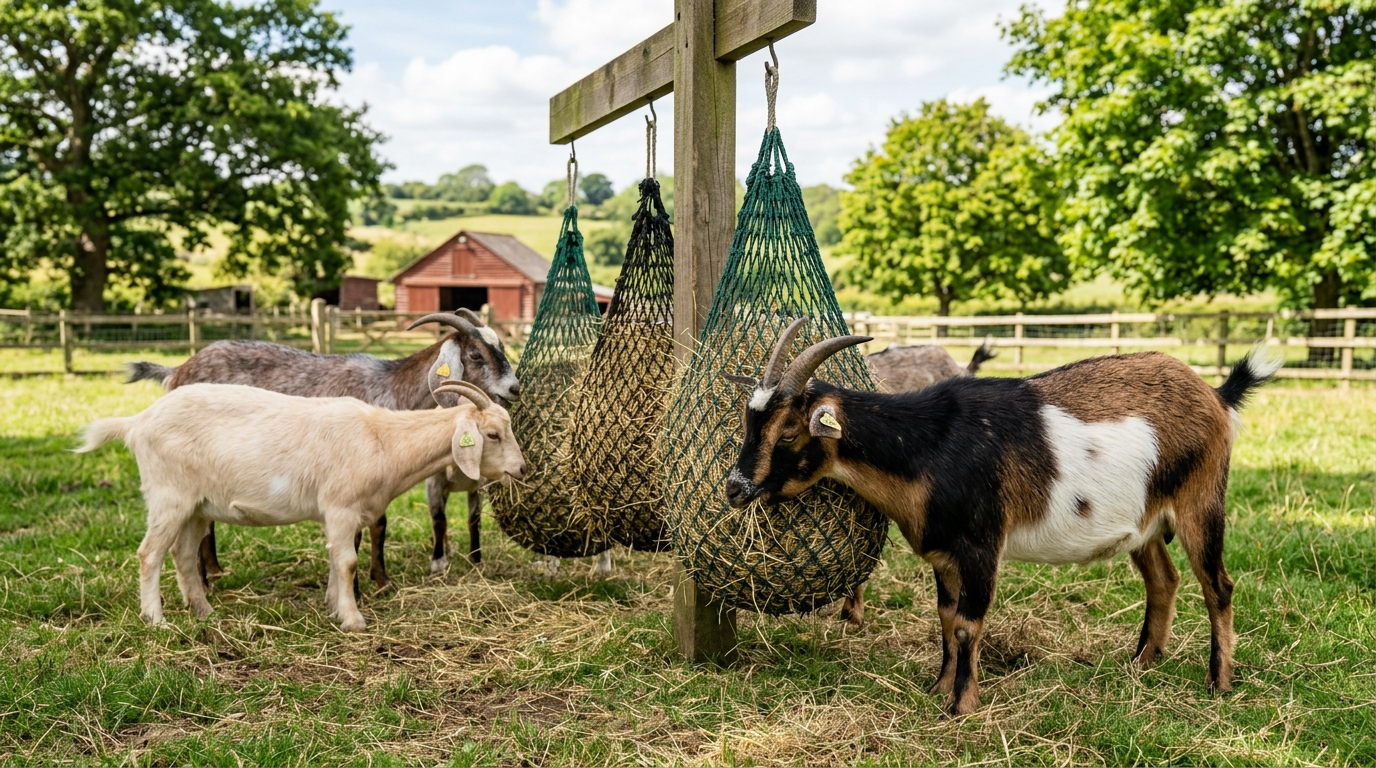
Proper Usage Techniques
To maximize the benefits of slow feeding hay nets, proper usage and maintenance are essential. Here are effective techniques for goat owners to implement:
- Filling the Nets: Use high-quality hay that is free from mold and contaminants. Fill the nets loosely to allow goats to pull hay easily without excessive effort.
- Hanging Height: Position the hay nets at a height that allows goats to comfortably reach them. This height should be accessible without forcing goats to stretch excessively or bend awkwardly.
- Feeding Frequency: Offer hay in the slow feeding nets regularly to ensure goats have access to food throughout the day. This practice mimics natural foraging and prevents hunger-related stress.
- Observation: Monitor goats while they feed from the nets. Ensure that all goats can access the hay and that no aggressive behaviors arise during feeding times.
- Regular Maintenance: Inspect the nets for wear and tear frequently. Look for frayed edges or damaged openings that could lead to hay loss or pose safety risks to goats.
- Cleaning Procedures: Clean the nets regularly to maintain hygiene. Use warm, soapy water to wash them and ensure they are thoroughly rinsed and dried before refilling with hay.
| Maintenance Task | Frequency | Purpose |
|------------------------|-------------------|---------------------------------------|
| Inspect for damage | Weekly | Ensure safety and functionality |
| Clean with soap | Bi-weekly | Maintain hygiene and prevent mold |
| Refill with hay | Daily or as needed| Provide consistent access to food |
Implementing these techniques will enhance the effectiveness of slow feeding hay nets and promote a healthier, more stimulating environment for goats.
Comparisons with Traditional Feeding Methods
When evaluating the effectiveness of slow feeding hay nets versus traditional feeding methods, several key differences emerge. These include cost-effectiveness, nutritional benefits, and overall feeding experiences for goats.
Cost-Effectiveness
- Hay Waste Reduction: Traditional feeding methods, such as free-choice feeding or using troughs, often result in significant hay waste. Goats may trample, spoil, or scatter hay, which leads to financial loss. Slow feeding hay nets minimize this waste by limiting access and encouraging goats to eat slowly.
- Long-Term Savings: While the initial investment in slow feeding hay nets may seem higher, the long-term savings from reduced hay consumption and waste can outweigh the costs. By promoting efficient hay consumption, these nets can lead to lower feed costs over time.
Nutritional Benefits
- Enhanced Digestive Health: Slow feeding hay nets promote a more gradual eating process, which is crucial for optimal digestion. In contrast, traditional methods may allow for rapid consumption, increasing the risk of digestive disorders such as bloat and acidosis.
- Improved Foraging Behavior: Goats are natural foragers, and slow feeding hay nets replicate this behavior. Traditional feeding methods do not encourage this instinct, potentially leading to boredom and behavioral issues.
Feeding Experience
- Natural Feeding Dynamics: Slow feeding hay nets create a more natural environment for goats, allowing them to engage in foraging activities. This not only satisfies their instinctual needs but also encourages mental stimulation.
- Social Interaction: When using slow feeding hay nets, goats must navigate their feeding strategies, which can lead to healthier social interactions. In contrast, traditional feeding setups may foster competition and aggression, especially when resources are limited.
| Aspect | Slow Feeding Hay Nets | Traditional Feeding Methods |
|---|---|---|
| Cost-Effectiveness | Reduces hay waste; potential long-term savings | Higher waste; potential increased feed costs |
| Nutritional Benefits | Promotes better digestion; mimics natural foraging | Rapid consumption; may lead to digestive issues |
| Feeding Experience | Encourages natural feeding dynamics; promotes social interactions | Can lead to competition and aggression |
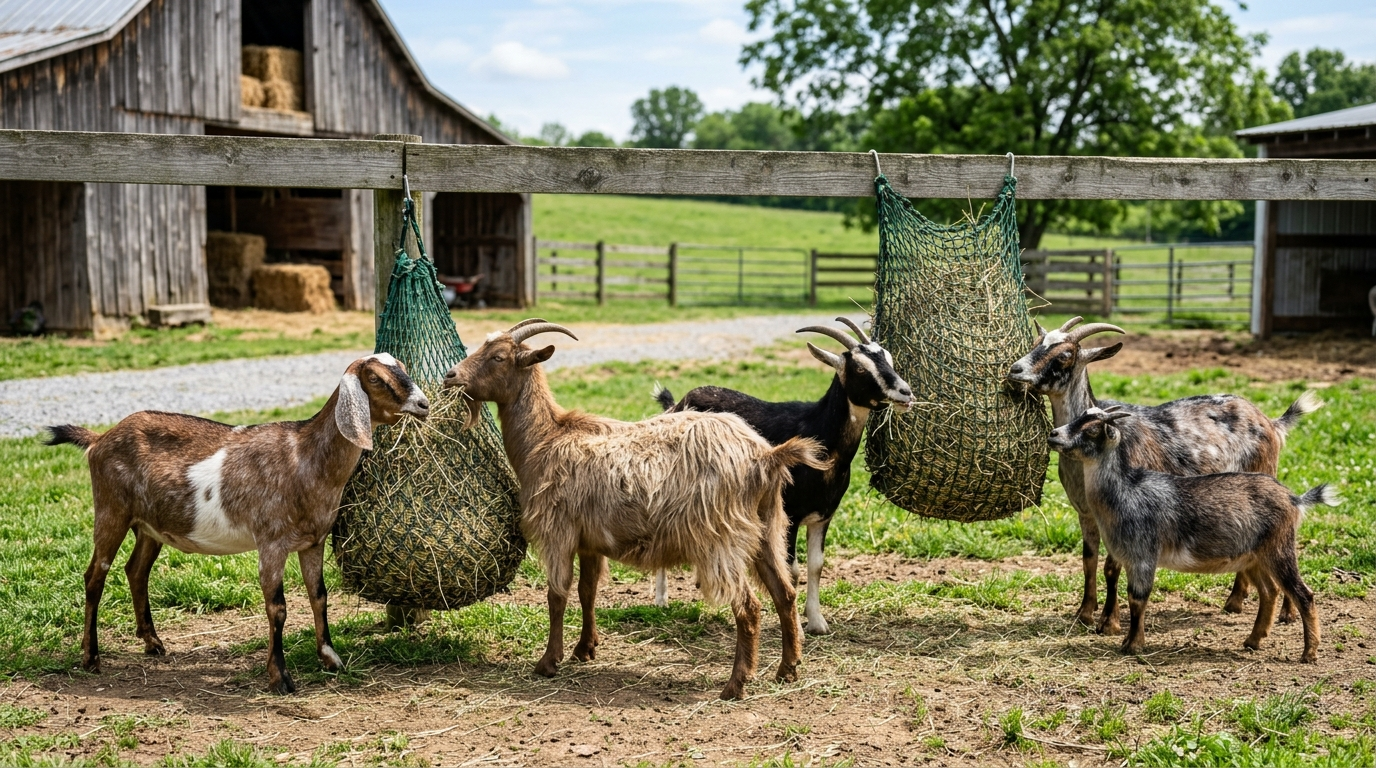
Product Recommendations
Selecting the right slow feeding hay net can significantly enhance the feeding experience for goats. Various brands offer unique features that cater to different needs. Here are some top recommendations based on user reviews and product characteristics:
| Brand | Features | User Ratings |
|---|---|---|
| Hay Chix | Durable nylon construction, small mesh openings, easy to fill | 4.8/5 |
| Tough 1 | Heavy-duty materials, multiple sizes available, reinforced stitching | 4.5/5 |
| Premier 1 Supplies | UV-resistant, various opening sizes, lightweight design | 4.6/5 |
| Farm Innovators | Affordable, versatile use for different hay types, easy clean | 4.3/5 |
| Shires | Traditional design, reinforced edges, suitable for outdoor use | 4.4/5 |
When choosing a slow feeding hay net, consider the following factors:
- Material Quality: Look for durable, weather-resistant materials that can withstand wear and tear.
- Mesh Size: Smaller openings encourage slower feeding and can help prevent hay wastage.
- Ease of Use: Select a design that is easy to fill and clean, making daily care more manageable.
- User Feedback: Pay attention to reviews that highlight the effectiveness and longevity of the product.
These recommendations reflect the best options available on the market, ensuring goat owners can find a suitable slow feeding hay net that meets their needs and supports the health of their herd.
Final Words
Final Words
Implementing slow feeding hay nets can significantly enhance goat management practices. These nets align with the natural foraging behavior of goats, promoting healthier digestion and preventing obesity. Proper usage techniques, such as appropriate hanging heights and regular maintenance, ensure optimal benefits.
When compared to traditional feeding methods, slow feeding hay nets prove to be more cost-effective and environmentally friendly. Product recommendations based on user feedback can assist in selecting the best options available.
Incorporating slow feeding hay nets into daily routines not only improves the health of goats but also enriches their overall well-being. Slow Feeding Hay Nets Explained for Goat Owners is a valuable resource for achieving these goals.
FAQ
Q: What are slow feeding hay nets?
A: Slow feeding hay nets are designed for goats to consume hay slowly, mimicking natural foraging behavior. They feature small openings that promote foraging, benefiting digestion and overall health.
Q: What are the benefits of slow feeding hay nets for goats?
A: Slow feeding hay nets prevent obesity, reduce bloat, and enhance digestion by prolonging eating time. They also provide mental stimulation, lower stress levels, and encourage natural behaviors in goats.
Q: How should slow feeding hay nets be used?
A: Fill slow feeding hay nets with high-quality hay and hang them at suitable heights to encourage foraging. Regularly check for wear and clean the nets to maintain hygiene.
Q: How do slow feeding hay nets compare to traditional feeding methods?
A: Slow feeding hay nets are often more cost-effective than traditional methods, reducing hay waste and promoting better digestion while offering a more natural feeding experience for goats.
Q: What are some recommended slow feeding hay nets for goats?
A: Various brands of slow feeding hay nets are available. User reviews often emphasize effectiveness, durability, and ease of use, guiding buyers in making informed choices.


