
Keeping Your Goat Stand Clean Between Sessions Enhances Health

Is neglecting the cleanliness of your goat stand putting your herd at risk? Maintaining a clean environment is not just a chore; it's a critical aspect of goat health management that can dramatically influence milk quality and overall well-being. Just like a pristine kitchen is essential for food safety, a clean goat stand is vital for preventing infections and ensuring high-quality milk production. This blog post will explore the importance of keeping your goat stand clean between sessions, providing actionable insights to enhance goat health and optimize farming practices.
Keeping Your Goat Stand Clean Between Sessions Enhances Health
Cleanliness in goat stands is essential for preventing infections and ensuring high-quality milk production. A dirty environment can lead to the proliferation of bacteria, which increases the risk of diseases such as mastitis and foot rot. Regular cleaning routines directly impact the overall health of goats, leading to improved productivity and reduced veterinary costs.
Key benefits of maintaining a clean goat stand include:
- Disease Prevention: Regularly cleaning the stand minimizes the accumulation of waste and bacteria, reducing the likelihood of infections. This is particularly important during milking, as poor hygiene can contaminate milk.
- Improved Milk Quality: Clean environments contribute to higher milk quality, influencing taste and shelf life. A clean stand ensures that milk remains free from contaminants, which is crucial for market acceptance.
- Enhanced Goat Comfort: Goats are more likely to thrive in clean and dry conditions, which can reduce stress and promote overall well-being. Comfortable goats are more productive, yielding better results in milk and growth.
- Efficient Management Practices: A well-maintained goat stand allows breeders to manage their herds more effectively. Time spent on cleaning is an investment that pays off through healthier animals and higher production levels.
Maintaining hygiene in goat stands is not just about appearance; it is a critical component of goat health management. Implementing a regular cleaning schedule is essential for breeders who aim to optimize the health and productivity of their goats.
| Benefit | Description |
|---|---|
| Disease Prevention | Minimizes waste and bacteria accumulation. |
| Improved Milk Quality | Ensures milk remains free from contaminants. |
| Enhanced Goat Comfort | Reduces stress, promoting overall well-being. |
| Efficient Management Practices | Allows for better herd management and productivity. |
Step-by-Step Cleaning Procedures
A clear and systematic approach to cleaning goat stands is vital for maintaining hygiene and ensuring the health of the herd. Breeders should implement both daily routines and weekly deep cleaning practices. Following these step-by-step procedures will help ensure thorough sanitation.
Daily Cleaning Routine
- Remove Waste: Start by removing all manure and bedding from the stand. Use a pitchfork or shovel to collect waste and dispose of it appropriately.
- Scrape Surfaces: Use a scraper to remove any remaining debris from the surfaces of the stand. Pay attention to corners and crevices where waste may accumulate.
- Wash with Water: Rinse the stand with clean water to remove any loose dirt or remaining particles. Ensure that the water drains away from the standing area to prevent pooling.
- Disinfect: Apply a suitable disinfectant solution to all surfaces, including walls, floors, and equipment. Allow the solution to sit for the recommended dwell time to effectively kill bacteria and pathogens.
- Dry Thoroughly: Use a squeegee or absorbent towels to remove excess moisture. Ensure that the stand is completely dry before allowing goats back in to prevent slips and maintain a dry environment.
Weekly Deep Cleaning
- Remove All Equipment: Take out all feeders, waterers, and any other equipment from the stand to access all areas.
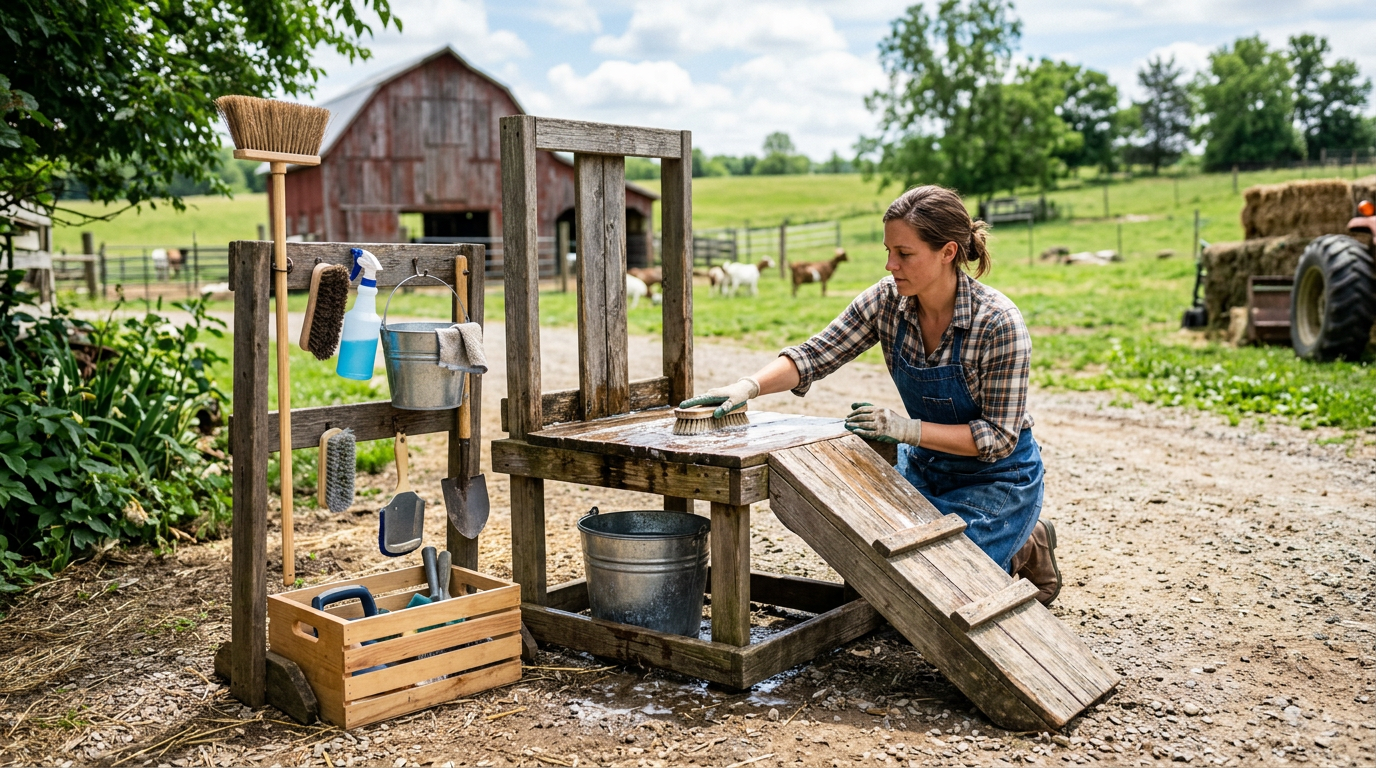
- Deep Clean Surfaces: Follow the daily cleaning steps, but include scrubbing surfaces with a stiff-bristle brush to remove stubborn stains and build-up.
- Inspect for Damage: Check all equipment and surfaces for signs of wear or damage. Repair or replace items as needed to ensure safety and functionality.
- Sanitize Equipment: Clean and disinfect all feeders and waterers separately, ensuring they are free from algae and contaminants.
- Restock Bedding: After cleaning and drying, add fresh bedding material to provide comfort and absorb moisture.
Implementing these daily and weekly cleaning procedures will optimize hygiene in goat stands, ultimately enhancing goat health and productivity.
| Cleaning Task | Frequency |
|---|---|
| Remove Waste | Daily |
| Scrape Surfaces | Daily |
| Wash with Water | Daily |
| Disinfect | Daily |
| Deep Clean Surfaces | Weekly |
| Inspect for Damage | Weekly |
| Sanitize Equipment | Weekly |
| Restock Bedding | Weekly |
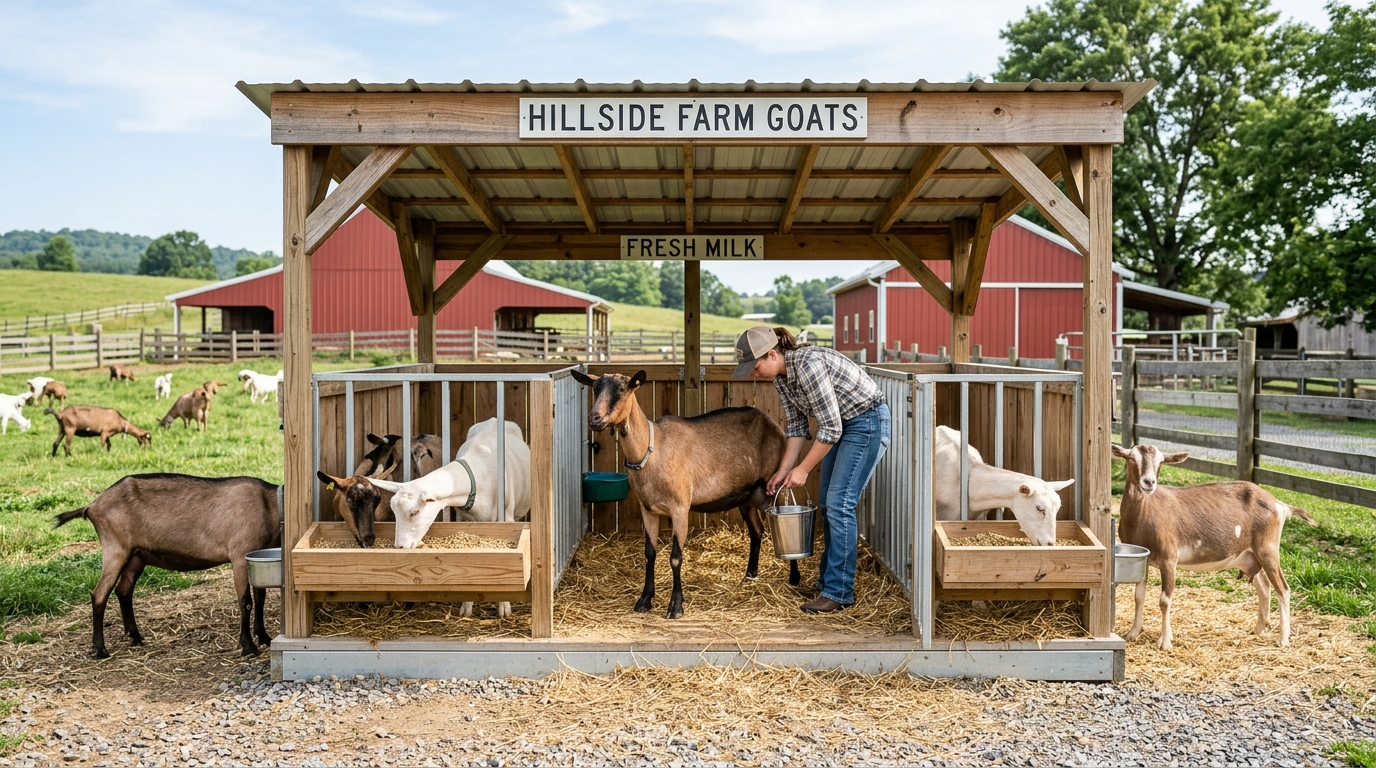
Recommended Cleaning Products
Selecting the right cleaning products is critical for maintaining a hygienic goat stand. Both natural and chemical options are available, each with unique benefits.
Natural Cleaning Products
- Vinegar: A powerful disinfectant that can neutralize odors and kill bacteria. It is safe to use around goats and is effective for daily cleaning.
- Baking Soda: Acts as a deodorizer and mild abrasive. It can be combined with vinegar for enhanced cleaning power.
- Essential Oils: Oils like tea tree or lavender possess natural antibacterial properties. They can be diluted in water and used for wiping surfaces.
Chemical Cleaning Products
- Commercial Disinfectants: Look for EPA-approved products specifically designed for livestock environments. These are formulated to kill a broad spectrum of bacteria and viruses.
- Bleach Solutions: A diluted bleach solution can be effective for deep cleaning, but it must be rinsed thoroughly afterward to avoid harming goats.
Essential Tools for Cleaning
- Scrub Brushes: Stiff-bristled brushes are necessary for removing stubborn stains and debris from surfaces.
- Pressure Washer: Useful for deep cleaning, a pressure washer can effectively remove waste and buildup in hard-to-reach areas.
- Sprayers: For applying disinfectants or cleaning solutions, a handheld sprayer can ensure even coverage.
Safety Considerations
- Always read labels and follow instructions for any cleaning product used around goats.
- Ensure proper ventilation when using chemical cleaners to minimize inhalation risks.
| Product Type | Examples | Benefits |
|---|---|---|
| Natural | Vinegar, Baking Soda, Essential Oils | Safe, non-toxic, and effective against odors and bacteria. |
| Chemical | Commercial Disinfectants, Bleach Solutions | Fast-acting and effective against a wide range of pathogens. |
| Tools | Scrub Brushes, Pressure Washer, Sprayers | Enhance cleaning efficiency and reach difficult areas. |
Tips for Odor and Bacteria Prevention
Maintaining a clean goat stand requires proactive measures to prevent odor and bacteria buildup. Implementing the following strategies can significantly enhance the health of the goats and the quality of the environment.
- Ensure Proper Ventilation: Adequate airflow is crucial for reducing moisture and odors in the goat stand. Install vents or windows to facilitate air circulation, which helps to dissipate ammonia and other odors.
- Use Absorbent Bedding: Selecting appropriate bedding materials, such as straw or wood shavings, can absorb moisture and odors effectively. Regularly replace soiled bedding to maintain a fresh environment.
- Implement a Regular Inspection Schedule: Conduct routine checks for signs of dampness, mold, or waste accumulation. Identifying issues early allows for timely intervention, preventing larger problems from developing.
- Disinfect Frequently: Utilize disinfectants that are safe for livestock to clean surfaces regularly. Focus on areas that are prone to moisture, such as corners and feeding zones, where bacteria can thrive.
- Control Water Supply: Ensure that water troughs do not overflow, as standing water can contribute to bacterial growth and foul odors. Maintain clean and accessible water sources, refilling them regularly.
| Tip | Description |
|---|---|
| Proper Ventilation | Facilitates airflow to reduce moisture and odors. |
| Absorbent Bedding | Helps absorb moisture and keeps the environment fresh. |
| Regular Inspections | Identifies issues early for timely intervention. |
| Frequent Disinfection | Cleans surfaces to prevent bacteria buildup. |
| Control Water Supply | Avoids standing water, reducing bacterial growth. |
Common Mistakes to Avoid
Maintaining a clean goat stand is critical for the health of the herd, yet several common mistakes can undermine these efforts. Identifying and avoiding these pitfalls is essential for effective goat care.
Inadequate Cleaning Frequency
- Neglecting Regularity: Skipping daily or weekly cleaning can lead to significant waste accumulation, increasing the risk of disease.
- Ignoring Signs of Dirt: Failing to clean when odors or visible waste are present can result in a breeding ground for bacteria.
Neglecting Hard-to-Reach Areas
- Overlooking Corners and Crevices: Areas that are difficult to access often harbor waste and bacteria. Consistent attention to these spots is necessary.
- Improper Equipment Use: Using equipment that cannot reach tight spaces can leave residues behind, compromising overall cleanliness.
Relying Solely on Chemical Cleaners
- Ignoring Natural Methods: While chemical cleaners can be effective, neglecting natural cleaning methods can lead to chemical buildup and potential harm to goats.
- Overusing Disinfectants: Excessive use of strong disinfectants can irritate goats and create a harmful environment.
| Mistake | Consequence |
|---|---|
| Inadequate Cleaning Frequency | Increased disease risk due to waste accumulation. |
| Neglecting Hard-to-Reach Areas | Harboring bacteria and compromising hygiene. |
| Relying Solely on Chemical Cleaners | Potential irritation and unhealthy living conditions. |
Final Words
Final Words
Maintaining a clean goat stand is essential for preventing infections and ensuring high-quality milk production. A systematic approach to cleaning, including daily routines and deep cleaning practices, plays a critical role in goat health management.
Utilizing effective cleaning products and tools enhances sanitation, while implementing tips for odor and bacteria prevention fosters a healthier environment. Awareness of common mistakes can further improve hygiene practices.
Prioritizing cleanliness not only benefits the goats but also enhances the overall farming experience. Keeping Your Goat Stand Clean Between Sessions will lead to healthier animals and better productivity.
FAQ
Q: Why is cleanliness important for goat stands?
A: Cleanliness in goat stands prevents infections and enhances milk quality, reducing disease risk and supporting overall goat health.
Q: What are the steps for cleaning a goat stand?
A: Implement daily routines, including removing waste, and conduct weekly deep cleans to ensure thorough sanitation of the goat stand.
Q: What cleaning products are recommended for goat stands?
A: Effective cleaning products include natural and chemical disinfectants, along with tools like brushes and mops to maintain sanitation.
Q: How can odor and bacteria be prevented in goat stands?
A: Maintaining proper ventilation, conducting regular inspections, and following a maintenance schedule can significantly reduce odors and bacterial growth.
Q: What common mistakes should be avoided when cleaning goat stands?
A: Common mistakes include infrequent cleaning and neglecting hard-to-reach areas, which can lead to compromised hygiene and health issues for goats.


