
How to Train a Goat to Step Onto a Stand Calmly and Confidently

Training a goat can seem like a daunting task, especially when it comes to getting them to step onto a stand calmly. Many owners underestimate the importance of a structured approach, which can lead to frustration and setbacks. This blog post will explore effective training techniques that not only build trust between you and your goat but also ensure a smooth training experience. By focusing on positive reinforcement and gradual acclimation, you can transform your goat's behavior, paving the way for confident and stress-free stand experiences.
How to Train a Goat to Step Onto a Stand Calmly and Confidently
Training a goat to step onto a stand calmly involves creating a trusting relationship and employing effective techniques. Positive reinforcement is crucial; rewarding desired behaviors encourages goats to repeat those actions.
Key principles include:
- Trust Building: Establish a bond with the goat through consistent handling and gentle interactions. This creates a sense of security, essential for a smooth training process.
- Positive Reinforcement: Utilize treats or praise immediately after the goat exhibits calm behavior around the stand. This reinforces the desired outcome and motivates the goat to engage with the stand.
- Gradual Introduction: Introduce the stand slowly. Allow the goat to explore it without pressure, gradually guiding them to step up when they appear comfortable.
- Consistency: Maintain a regular training schedule. Consistent practice helps the goat understand expectations and builds confidence over time.
- Patience: Training may take time, as each goat has a unique temperament. Patience is vital to foster a positive learning experience.
By focusing on these principles, trainers can effectively guide goats to step onto a stand calmly, enhancing their overall behavior and adaptability.
Preparing for Training
Selecting the right stand and creating a suitable training environment are critical steps in preparing for goat training. A well-designed stand ensures safety and comfort for the goat, while an appropriate environment fosters a calm and focused atmosphere.
Ideal Materials for a Goat Stand
- Sturdy Base: A solid, non-slip surface to prevent slipping and ensure stability during training.
- Adjustable Height: A stand that can be modified to accommodate goats of various sizes and ages, promoting ease of use.
- Comfortable Padding: Soft padding on the surface to reduce stress on the goat's hooves and provide comfort during training sessions.
Tools to Assist in Training
- Treat Pouch: A convenient way to carry treats for positive reinforcement, ensuring quick rewards for desired behaviors.
- Clicker: A training tool that marks desired behavior instantly, helping the goat associate the action with a reward.
- Longe Line: A long lead that allows for controlled movement, helping to guide the goat to the stand without forcing them.
- Calming Aids: Items such as a pheromone spray or calming music to create a serene environment and reduce anxiety during training sessions.
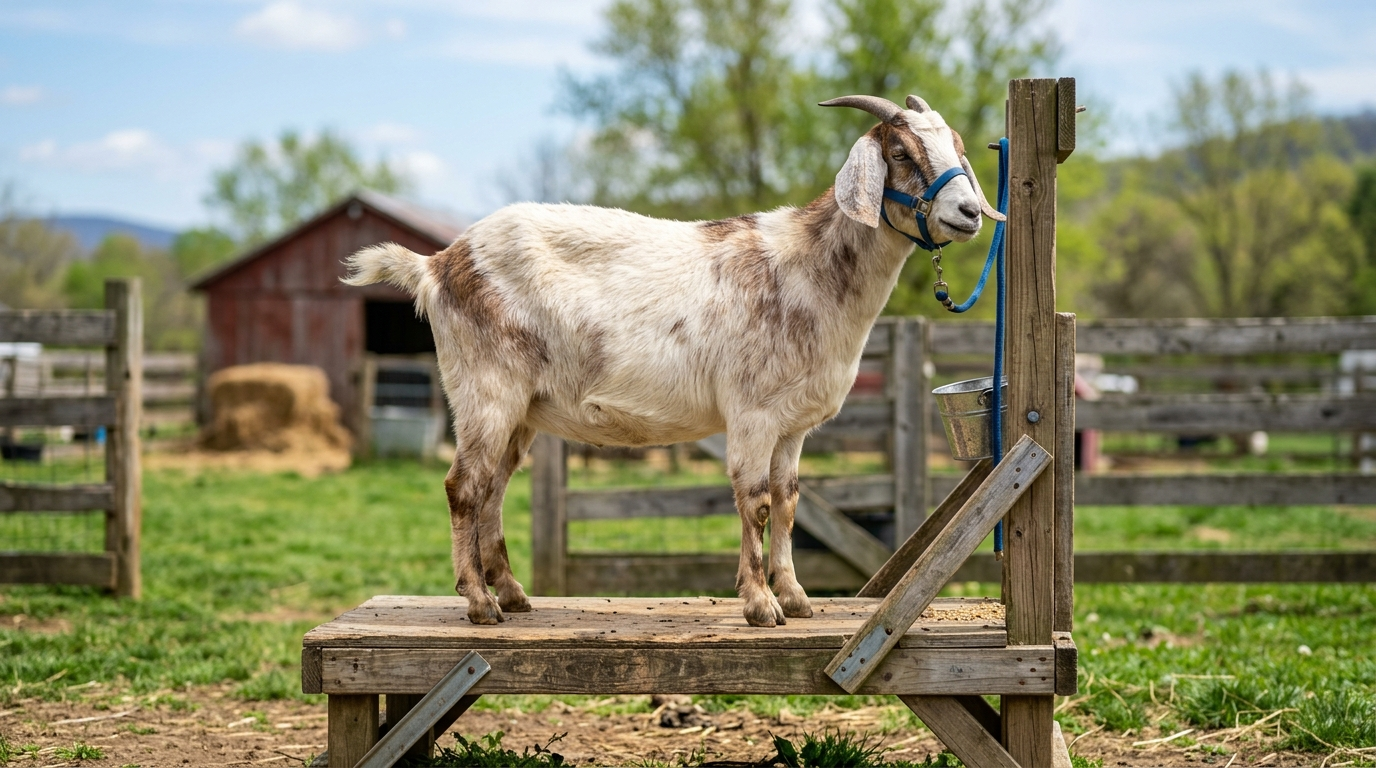
Step-by-Step Training Methods
Training a goat to step onto a stand calmly requires a structured approach that emphasizes gradual acclimation and consistent reinforcement. The following step-by-step method will facilitate this process.
Steps to Introduce the Stand
- Familiarization: Place the stand in a familiar area where the goat feels comfortable. Allow the goat to explore the stand without pressure for a few days.
- Approach Encouragement: Use a treat to coax the goat closer to the stand. Reward any steps they take toward it, reinforcing their curiosity and interest.
- Initial Contact: Once the goat is comfortable being near the stand, gently encourage them to place a front hoof on the stand. Reward the action with a treat or praise.
- Full Engagement: Gradually encourage the goat to step fully onto the stand. Start with one hoof at a time if necessary, rewarding each small success.
- Consistency in Training: Practice this routine regularly, ensuring training sessions are short and positive, reinforcing calm behavior throughout the process.
Positive Reinforcement Techniques
- Immediate Rewards: Provide treats or verbal praise immediately after the goat exhibits desired behaviors to strengthen the association between the action and the reward.
- Gradually Increasing Rewards: Start with small treats and increase the rewards as the goat becomes more confident stepping onto the stand.
- Social Reinforcement: Use petting or affectionate words during and after successful steps to create a positive emotional experience for the goat.
Gradual Desensitization Techniques
- Controlled Exposure: Gradually expose the goat to various situations around the stand, such as noise or other animals, to help them remain calm in different environments.
- Progressive Height Introduction: Start by introducing a lower platform before moving to the actual stand height, allowing the goat to acclimate to varying heights.
- Short Training Sessions: Keep training sessions brief to prevent overwhelming the goat, gradually increasing the duration as they become more comfortable with the stand.
Tips for Calming Your Goat
Recognizing stress signals in goats is essential for effective training. By identifying these signs, trainers can implement strategies to reduce anxiety and create a comfortable environment for learning.
Common Stress Signals in Goats
- Tail Position: A high tail indicates excitement, while a low or tucked tail can signify fear or discomfort.
- Vocalization: Excessive bleating or calling may indicate stress or anxiety.
- Body Language: Stiff body posture or turned ears suggest a goat may be feeling threatened or uneasy.
- Pacing or Restlessness: A goat that is pacing or unable to settle may be experiencing anxiety.
- Avoidance Behavior: If a goat consistently avoids the stand or pulls away, it may be feeling overwhelmed.
Anxiety Reduction Techniques
- Slow Introduction: Gradually introduce the goat to the stand, allowing it to explore without pressure or urgency.
- Calm Environment: Create a serene training space by minimizing noise and distractions, which helps the goat feel secure.
- Gentle Handling: Employ soft, reassuring touches during interactions to foster trust and reduce anxiety.
- Use of Treats: Reward the goat frequently with treats during training to create positive associations with the stand and the training process.
By applying these techniques, trainers can significantly improve the goat's comfort level, leading to more effective training sessions.
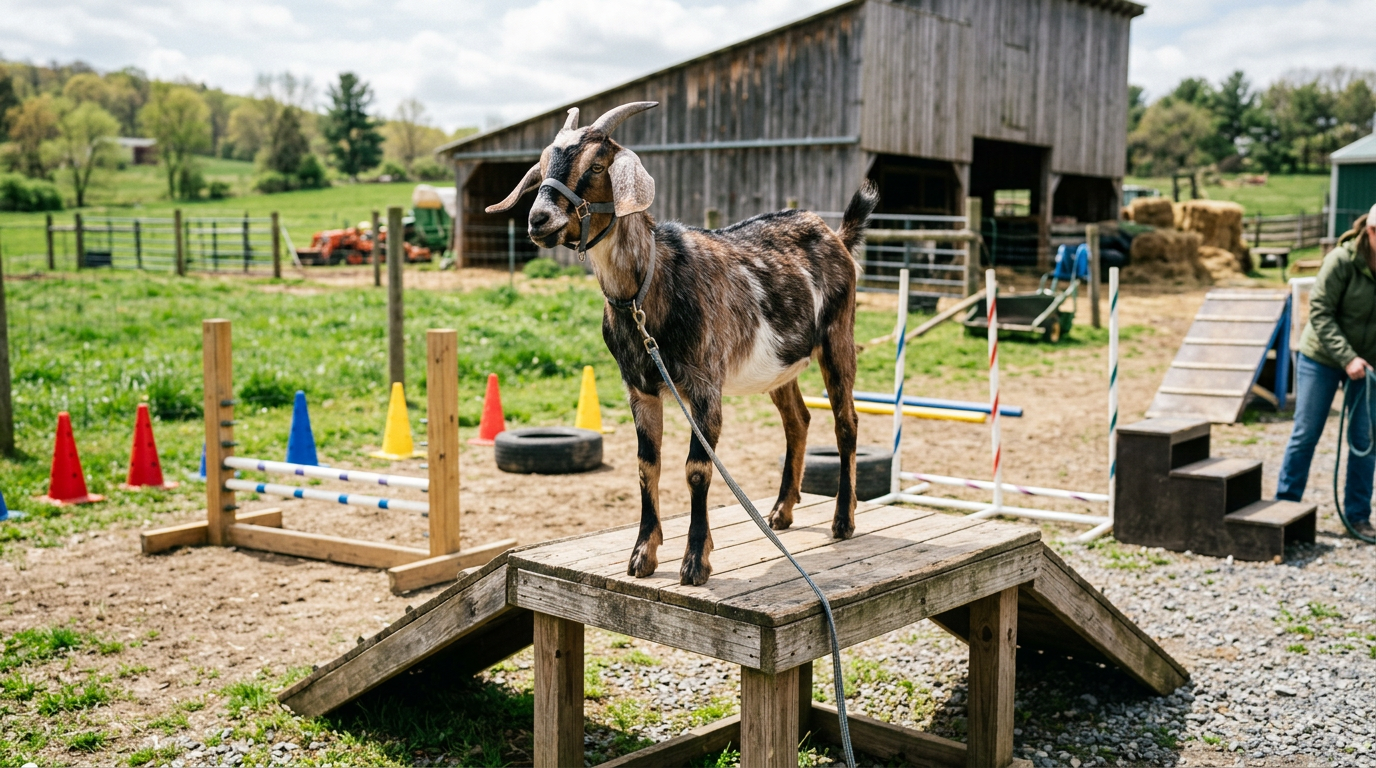
Challenges in Training
Training goats to step onto a stand can present various obstacles. Understanding these challenges and having effective solutions can enhance the training experience and ensure success.
Common Training Obstacles
- Fear of Heights: Some goats may be apprehensive about stepping onto elevated surfaces, causing reluctance to engage with the stand.
- Anxiety and Stress: New environments or unfamiliar equipment can induce stress in goats, hindering their ability to focus on training.
- Lack of Motivation: If the goat is not sufficiently motivated by treats or praise, it may not engage with the stand effectively.
- Inconsistent Training: Irregular training sessions can confuse the goat about expectations, leading to frustration for both the trainer and the animal.
Solutions to Overcome Challenges
- Gradual Exposure: Introduce the stand in a low-pressure environment, allowing the goat to explore it at their own pace. Gradually increase the height or complexity as they gain confidence.
- Create a Calming Environment: Use calming techniques, such as soft music or familiar surroundings, to reduce anxiety during training sessions.
- Use High-Value Rewards: Select treats that the goat finds particularly appealing to enhance motivation. Consistency in rewarding positive behavior helps reinforce the desired actions.
- Establish a Routine: Maintain a regular training schedule to build familiarity and trust. Consistency helps the goat understand what is expected, leading to improved performance over time.
Final Words
Final Words
Training a goat to step onto a stand calmly is a multifaceted process that requires patience and understanding. Establishing a supportive training environment, utilizing effective techniques, and recognizing stress signals are essential components of success.
By implementing step-by-step methods and applying positive reinforcement, goat owners can foster trust and confidence in their goats.
Overcoming challenges is part of the journey, but with the right strategies, trainers can achieve their goals.
Embracing these practices will lead to a more positive training experience for both goat and owner, ultimately enhancing the bond. Remember, mastering how to train a goat to step onto a stand calmly is rewarding and beneficial for all involved.
FAQ
Q: What are the basic principles of goat training?
A: Goat training centers on building trust and using positive reinforcement methods to encourage desired behaviors, including stepping onto a stand calmly.
Q: How can I create a goat-friendly training environment?
A: Select an appropriate stand, use non-slip materials, and ensure a quiet space. These elements help create a safe and positive environment for goat training.
Q: What tools are helpful for goat training?
A: Essential tools include treat pouches, clickers for reinforcement, a lead rope for guidance, and sturdy stands to facilitate training.
Q: What are the steps to train a goat to step onto a stand?
A:
- Introduce the stand gradually.
- Use treats to encourage approach.
- Reward any positive interaction.
- Guide the goat onto the stand.
- Reinforce calm behavior consistently.
Q: What are effective positive reinforcement techniques for goats?
A: Techniques include offering treats, verbal praise, and petting to reward desired behaviors, making the training process enjoyable for the goat.
Q: How can I desensitize my goat to the stand?
A:
- Gradually increase exposure to the stand.
- Use familiar items around the stand.
- Allow the goat to explore at their own pace.
Q: What stress signals should I look for in goats?
A: Common stress signals include ear position changes, vocalizations, pacing, tail movements, and avoidance behaviors. Recognizing these can help manage their anxiety.
Q: What techniques can reduce anxiety in goats during training?
A: Techniques include maintaining a calm demeanor, using soothing vocalizations, providing a quiet space, and incorporating familiar items or companions.
Q: What are common challenges in goat training?
A: Common challenges include fear of heights, lack of focus, resistance to the stand, and exposure to distractions.
Q: How can I overcome challenges in goat training?
A: Solutions include gradual exposure to the stand, maintaining consistency in training sessions, minimizing distractions, and using patience to build trust.


