
How to Train a Goat to Load Onto a Stand Calmly

Can you imagine trying to load a goat onto a stand without sending it into a panic? For many goat owners, this scenario is all too familiar. Understanding goat behavior is essential for creating a calm loading experience, yet many overlook this critical aspect of training. This blog post explores effective techniques to train your goat to load onto a stand without stress, focusing on behavioral insights, preparation, and positive reinforcement. By mastering these methods, owners can foster a more harmonious relationship with their goats while ensuring a smoother loading process.
Understanding Goat Behavior for Loading
Goats are naturally curious animals with a strong instinct for survival. They are prey animals, which means they are instinctively cautious in unfamiliar situations. This behavior can manifest as hesitation or resistance when faced with a loading stand. Recognizing these instincts is crucial for trainers to effectively manage loading experiences. Understanding that goats may perceive the loading stand as a potential threat allows handlers to approach training with empathy, using techniques that build confidence rather than instilling fear.
Additionally, goats exhibit specific behaviors related to loading that can help handlers gauge their readiness and comfort. Being aware of these behaviors can facilitate smoother loading experiences. Common behaviors include:
- Head-raising: Indicates curiosity or suspicion about the loading stand.
- Fleeing or backing away: A sign of fear or discomfort with the unknown.
- Sniffing: An exploratory behavior that shows the goat is assessing the new environment.
- Pawing the ground: A sign of agitation or stress, indicating the goat needs reassurance.
- Vocalizations: Whining or bleating may indicate anxiety about the loading process.
Recognizing these behaviors is essential for loading success. By interpreting the goat's reactions, handlers can adjust their approach, introducing the stand gradually and pairing it with positive reinforcement. This understanding fosters a supportive environment, reducing anxiety and promoting cooperation during the training process.
| Common Behavior | Interpretation |
|---|---|
| Head-raising | Curiosity or suspicion |
| Fleeing or backing away | Fear or discomfort |
| Sniffing | Exploratory behavior |
| Pawing the ground | Agitation or stress |
| Vocalizations | Anxiety about loading |
Preparing the Training Environment for Loading
Creating a comfortable and stress-free environment is essential for successfully training a goat to load onto a stand. The following key elements contribute to an effective training setup:
- Safe and Secure Location: Choose a quiet area free from potential threats and distractions, ensuring the goat feels secure during the training session.
- Consistent Surface: Use a stable, non-slippery surface for the loading stand to promote confidence and prevent slips or falls.
- Adequate Space: Ensure sufficient room around the stand to allow the goat to move freely without feeling cramped or pressured.
- Familiar Objects: Include familiar items, like toys or feed buckets, to create a comforting atmosphere that reduces anxiety.
Minimizing distractions is crucial for maintaining the goat's focus during training. Keep the environment calm by turning off loud machinery, limiting nearby animal activity, and avoiding sudden movements or noises. This will help the goat concentrate on the loading process without feeling overwhelmed.
| Equipment Type | Purpose | Benefits |
|---|---|---|
| Loading Stand | Facilitate loading practice | Builds confidence and familiarity |
| Treat Dispenser | Reward positive behavior | Encourages cooperation and reduces stress |
| Non-Slip Mat | Enhance stability | Prevents slips during loading |
| Fencing or Barriers | Define training area | Minimizes distractions and keeps focus |
Step-by-Step Techniques for Loading Goats
Training goats to load onto a stand can be a smooth process when using a structured approach. The following steps outline an effective method utilizing positive reinforcement and gradual exposure:
- Familiarization: Introduce the goat to the loading stand without any pressure. Allow the goat to sniff and explore the stand at its own pace.
- Create Positive Associations: While the goat is near the stand, offer treats or its favorite feed. This helps create a positive connection between the goat and the stand.
- Encourage First Steps: Use gentle encouragement to guide the goat toward the stand. If the goat shows hesitation, allow it to retreat and approach again without forcing it.
- Reward Initial Contact: Once the goat places a hoof on the stand, immediately reward it with praise and treats. This reinforces the behavior and encourages further exploration.
- Gradual Increase in Time: Once the goat is comfortable placing its hooves on the stand, gradually increase the duration it remains there before rewarding it. Start with a few seconds and extend the time as the goat becomes more confident.
- Practice Regularly: Consistency is key. Continue practicing this routine daily, gradually increasing the challenges as the goat becomes more adept at loading onto the stand.
Positive reinforcement is critical in training goats. It involves rewarding desirable behaviors to encourage their repetition. This approach not only builds trust but also reduces the likelihood of stress during training. When goats associate the loading stand with positive experiences, they are more likely to approach it willingly, enhancing their overall comfort.
Additionally, incorporating a variety of rewards can make training more engaging for the goat. Examples of effective rewards include:
- Treats: Small pieces of their favorite foods, such as apples or carrots.
- Praise: Verbal affirmations and physical affection, like gentle petting.
- Playtime: Engaging the goat in a brief play session after successful loading.
Patience is essential in this training process. Goats may take time to adjust to new experiences, and rushing the process can lead to anxiety. Allowing the goat to progress at its own pace fosters a calm environment and promotes a positive loading experience.
Addressing Common Challenges in Goat Loading
Successfully loading a goat onto a stand can present various challenges. Recognizing these obstacles and implementing effective solutions can minimize stress for both the goat and the handler.
- Fear of the Stand: Goats may feel intimidated by the presence of a new structure. To overcome this fear, gradually introduce the stand to the goat. Allow the goat to explore the area around the stand first, rewarding any positive engagement with treats or praise. This helps to build confidence.
- Resistance to Entering the Stand: Some goats may refuse to step onto the stand entirely. To address this, place the goat's favorite treats inside the stand. Encourage the goat to approach and investigate. Reinforce each small step taken towards the stand with rewards, creating a positive association.
- Anxiety Due to Surroundings: Noise and movement in the environment can cause stress. Choose a quiet training area, free from distractions. Use calming techniques, such as playing soft music or speaking gently to the goat, to create a serene atmosphere conducive to learning.
- Lack of Familiarity with the Handler: Goats may be hesitant to follow a handler they do not know well. Spend time building a rapport before training sessions. Engage in gentle petting and offer treats to foster trust, making the goat more willing to cooperate during loading.
- Improper Timing of Rewards: Timing is crucial in training. If rewards are given too late, goats may not associate the reward with the desired behavior. Ensure that rewards are immediate and consistent to reinforce positive actions effectively.
| Stressor | Management Technique |
|---|---|
| Fear of the Stand | Gradually introduce the stand; use treats to encourage exploration. |
| Resistance to Entering the Stand | Place favorite treats inside the stand; reinforce approach with rewards. |
| Anxiety Due to Surroundings | Choose a quiet area; use calming techniques like soft music. |
| Lack of Familiarity with the Handler | Build rapport through gentle petting and offering treats. |
| Improper Timing of Rewards | Ensure immediate and consistent rewards to reinforce positive behavior. |
Building Trust with Your Goat During Training
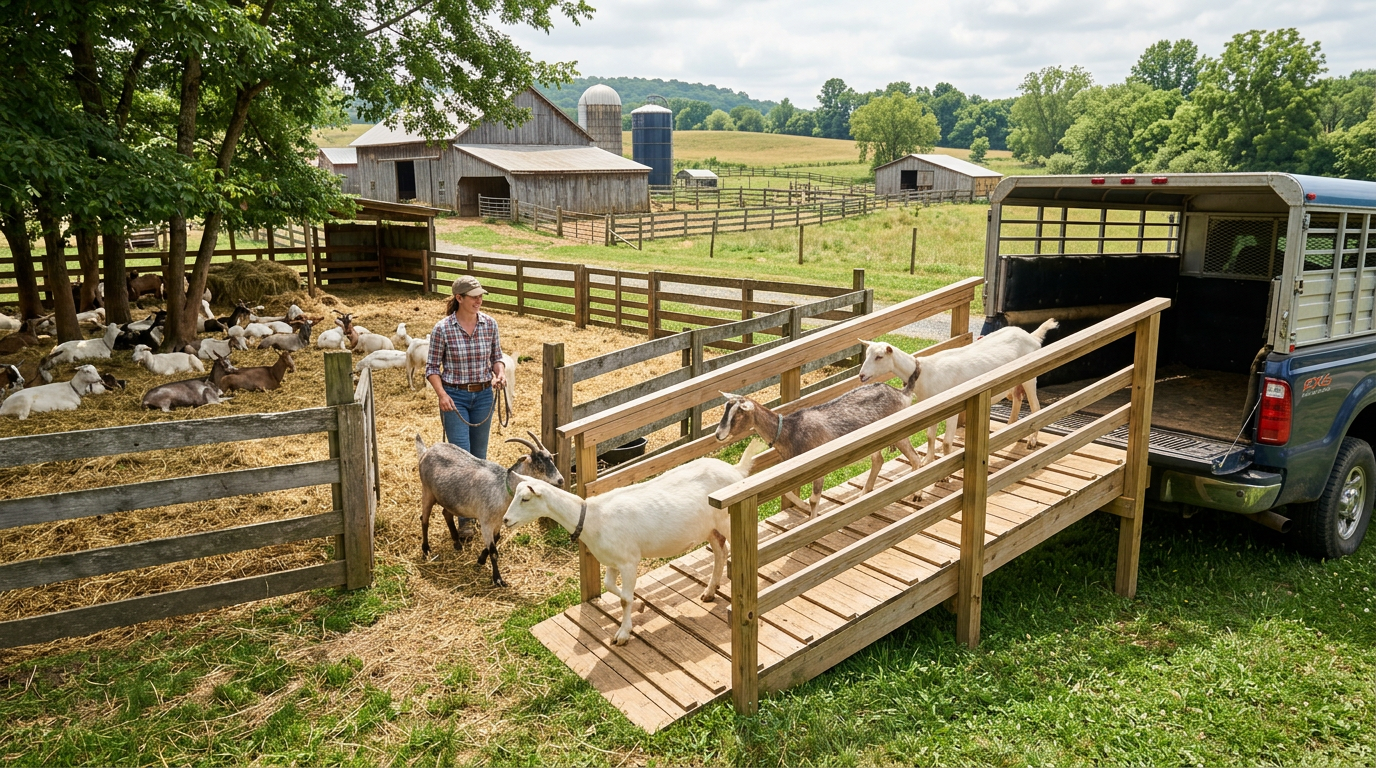
Establishing trust between a handler and a goat is fundamental to successful training. Goats are sensitive to their environment and the actions of their handlers; building a trusting relationship allows for a more cooperative and relaxed loading experience. When goats feel secure and understood, they are more likely to approach the loading stand willingly and calmly, reducing stress for both the animal and the handler.
Ways to build trust with goats include:
- Consistent Handling: Regular, gentle interactions help goats become accustomed to human presence, fostering a sense of safety.
- Positive Reinforcement: Rewarding desired behaviors with treats or praise encourages goats to associate positive experiences with training sessions.
- Patience and Empathy: Understanding that each goat has its own pace and comfort level is crucial. Taking the time to recognize their signals builds a stronger bond.
Establishing a routine can significantly impact loading success. Goats thrive on consistency and knowing what to expect. A predictable training schedule helps them feel more secure and reduces anxiety about the loading process.
A suggested loading practice schedule might include:
- Daily Sessions: 10-15 minutes of focused training, ideally at the same time each day.
- Incorporate Play: Include playtime or exploration in the training sessions to keep the goat engaged and relaxed.
- Gradual Increase: As confidence builds, gradually increase the complexity of loading tasks, ensuring the goat remains comfortable throughout the process.
Implementing these strategies will enhance trust and cooperation, facilitating a smoother loading experience.
Final Words
Final Words
Successful goat loading hinges on understanding goat behavior, creating the right environment, and employing effective training techniques. Recognizing instincts and behaviors allows for a more empathetic approach, ensuring that loading becomes a stress-free experience.
By preparing a comfortable training space and utilizing positive reinforcement, handlers can significantly enhance their goats' loading skills. Addressing common challenges and building trust through consistency fosters a positive relationship, ultimately leading to smoother sessions.
Implementing these strategies reinforces how to train a goat to load onto a stand without stress, paving the way for a more enjoyable experience for both goats and handlers.
FAQ
Q: What are key instincts in goats that affect loading?
A: Goats are naturally curious, social animals that can exhibit fear or anxiety in unfamiliar situations. Understanding these instincts helps in creating a stress-free loading experience.
Q: What common behaviors do goats display during loading?
A: Common behaviors include hesitation, balking, circling, vocalization, and refusal to enter. Recognizing these behaviors can aid in adjusting training strategies.
Q: How do goat behaviors impact loading success?
A: Awareness of goat behaviors enables handlers to modify training techniques, reducing anxiety and increasing the likelihood of successful loading.
Q: What are key elements of a good training environment for loading goats?
A: Essential elements include a quiet space, secure footing, familiar surroundings, and accessible loading equipment, all contributing to a comfortable atmosphere.
Q: How can distractions be minimized during goat loading training?
A: To minimize distractions, create a calm environment by reducing noise, limiting the presence of other animals, and using familiar scents.
Q: What are effective step-by-step techniques for loading goats?
A: Techniques include preparing the goat, using positive reinforcement, gradually introducing the stand, and practicing patience throughout the process.
Q: What is the positive reinforcement approach in goat training?
A: Positive reinforcement involves rewarding desired behaviors, which encourages goats to perform tasks willingly. This method builds trust and reduces anxiety during training.
Q: What are examples of rewards that can be used during goat training?
A: Effective rewards include treats like grains, fresh vegetables, and praise, all motivating goats to engage in loading behavior.
Q: How important is patience during goat training?
A: Patience is crucial as goats learn at their own pace. Rushing can lead to stress and setbacks, so gradual progression fosters a positive learning experience.
Q: What are common challenges faced during goat loading?
A: Common challenges include fear of the stand, reluctance to enter, distractions, stress during transport, and lack of trust in handlers.
Q: What solutions exist for overcoming loading challenges?
A: Solutions include gradual exposure to the stand, using positive reinforcement, ensuring a familiar environment, and establishing routines to build trust.
Q: What techniques help manage goat stress during loading?
A: Techniques include maintaining a calm demeanor, providing comfort items, creating predictable routines, and using gentle handling methods to alleviate anxiety.


