
How Much Hay Goats Waste and Effective Solutions

How much hay do goats actually waste? Recent studies reveal that goats can discard between 20% to 50% of their hay if not managed correctly, resulting in significant financial losses for farmers. Understanding the factors contributing to this waste, such as improper feeding methods and inadequate storage, is crucial for effective goat management. This blog post will explore the extent of hay waste in goats and present actionable strategies to minimize it, ultimately enhancing both goat health and farm profitability. By implementing these solutions, goat owners can ensure their resources are used efficiently and effectively.
How Much Hay Goats Waste and Effective Solutions
Goats can waste between 20% to 50% of hay if not managed properly. This significant waste can have a considerable financial impact on goat farms.
- Statistics on Hay Waste
- Typical waste percentages: 20% - 50%
- Comparison of hay waste across different goat breeds:
- Dairy breeds may waste more due to higher consumption rates.
- Meat breeds may waste less due to different feeding behaviors.
- Annual financial impact of hay waste on goat farms can reach thousands of dollars, depending on herd size and local hay prices.
- Factors Contributing to Hay Waste
- Improper feeding methods:
- Feeding hay directly on the ground increases waste from trampling and contamination.
- Inadequate feeders can lead to spillage and inefficient consumption.
- Exposure to weather conditions:
- Rain and snow can spoil hay, making it less palatable and reducing its nutritional value.
- Inadequate storage solutions:
- Hay stored outside without protection deteriorates quickly.
- Poor ventilation can lead to mold and spoilage.
- Goat behavior and feeding habits:
- Goats tend to be selective eaters, often leaving lower-quality hay behind.
- Overcrowding at feeding stations can exacerbate waste.
Implementing effective feeding strategies and storage solutions can significantly reduce hay waste, leading to better resource management and improved goat health.
Strategies to Reduce Hay Waste
Effective management of hay waste is crucial for goat owners looking to optimize resources and improve animal health. Here are actionable strategies to minimize hay waste:
- Proper Feeding Techniques
- Use of hay feeders:
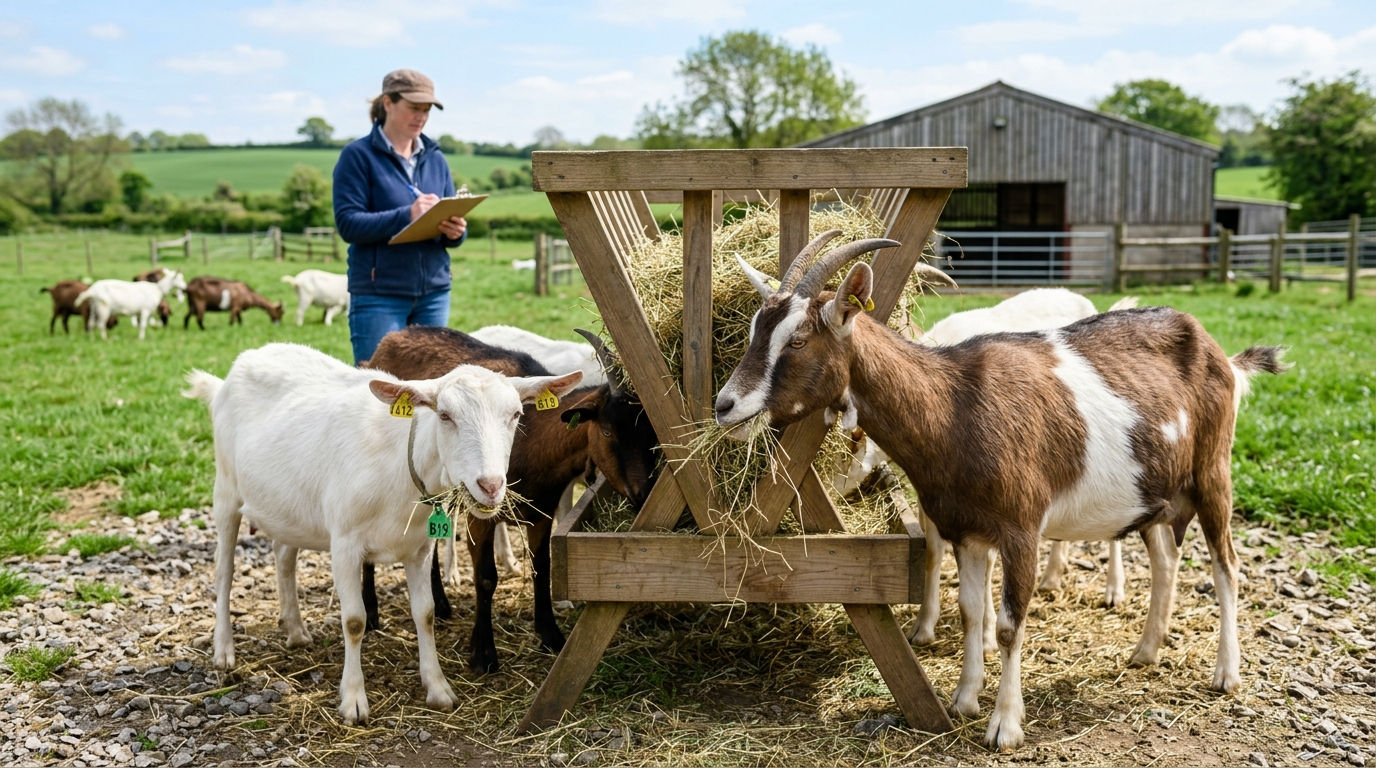
- Implementing feeders keeps hay off the ground, reducing contamination and waste from trampling.
- Limit amount of hay offered:
- Provide smaller portions more frequently to encourage better consumption and reduce spoilage.
- Monitor goat intake regularly:
- Observing how much hay is consumed helps adjust feeding amounts and identify any issues with hay quality.
- Effective Hay Storage Solutions
- Keep hay dry and covered:
- Store hay in a barn or covered area to protect it from moisture and pests.
- Use pest-resistant storage containers:
- Utilizing containers that prevent rodent access ensures hay remains uncontaminated and usable.
- Rotate old hay to prevent spoilage:
- Implement a first-in, first-out approach to ensure older hay is used before newer supplies.
- Recommended Equipment
- Hay nets and bags:
- These tools control access to hay, minimizing waste and encouraging slower feeding.
- Adjustable hay feeders:
- Feeders that can be modified for height or size help accommodate different goat breeds and sizes.
- Moisture meters for hay quality:
- Utilizing these devices ensures hay is stored at optimal moisture levels, preventing spoilage.
- Visual Aids
| Equipment Type | Purpose | Benefits |
|---|---|---|
| Hay Feeders | Minimize waste | Reduces spillage |
| Hay Nets | Control consumption | Prevents over-eating |
| Moisture Meters | Assess hay quality | Ensures freshness |
Implementing these strategies will help goat owners effectively reduce hay waste, leading to better management and improved health for their herds.
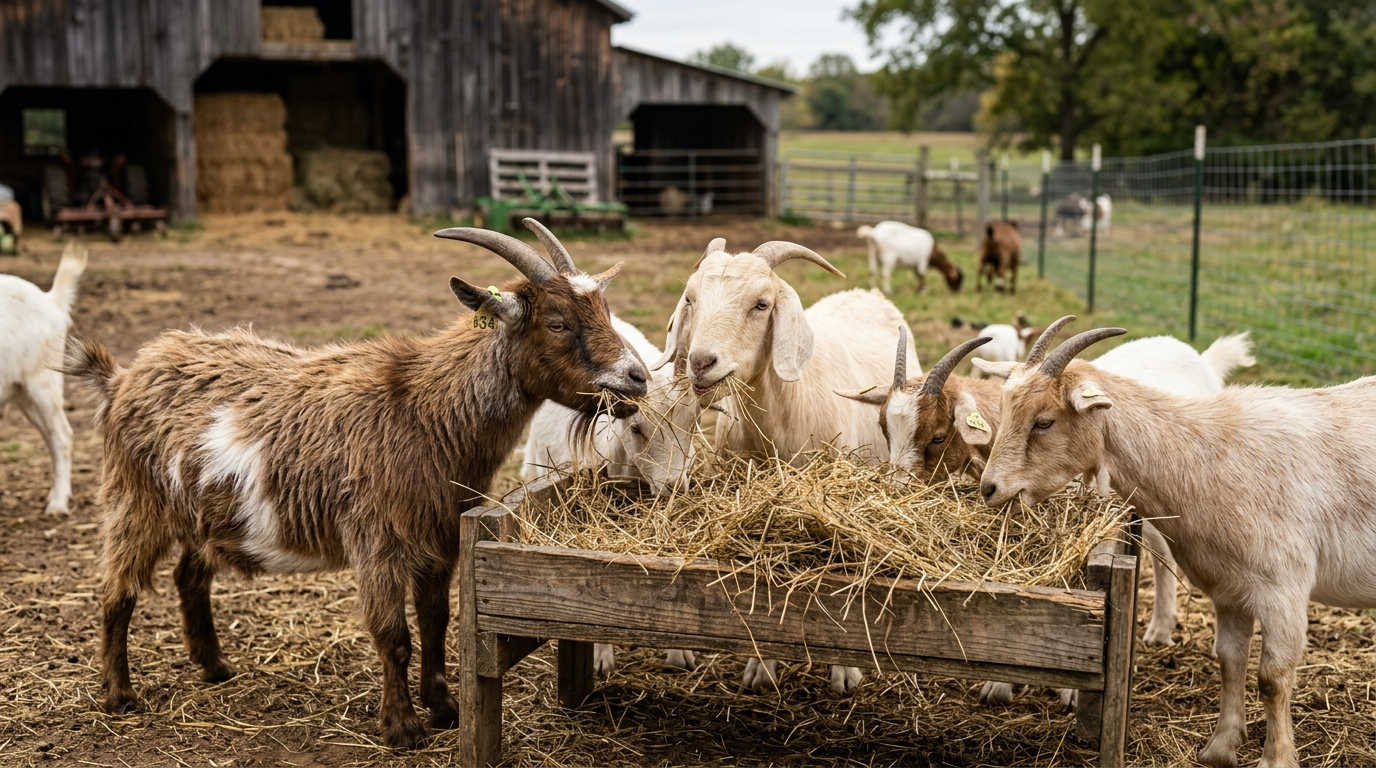
Monitoring and Evaluating Hay Waste
Monitoring hay waste is crucial for goat owners aiming to optimize resource use and improve herd health. Effective tracking and evaluation can lead to better feeding practices and reduced waste.
- Measuring Hay Waste
- Track hay usage over time:
- Maintain records of hay amounts provided versus consumed to identify trends.
- Compare with goat weight and health metrics:
- Regular weigh-ins help assess if goats are maintaining healthy body conditions relative to hay intake.
- Estimate waste percentages based on observations:
- Visually assess remaining hay and calculate waste as a percentage of total hay offered.
- Evaluating Hay Efficiency
- Regular assessments of hay quality:
- Check for mold, spoilage, and nutritional content to ensure goats receive optimal feed.
- Adjust feeding strategies based on evaluations:
- Modify portion sizes and feeding schedules to improve consumption rates and reduce waste.
- Identify high-waste periods and adjust accordingly:
- Determine if specific seasons or conditions lead to increased waste and adapt practices.
- Monitoring Tools
| Tool Type | Purpose | Frequency of Use |
|---|---|---|
| Hay Scales | Measure hay usage | Weekly |
| Weight Scales | Track goat weight | Monthly |
| Hay Quality Test Kits | Assess hay quality | As needed |
Frequently Asked Questions about Hay Waste
Understanding hay waste in goats is key for effective management. Here are some common questions and answers that can help goat owners.
- Common Questions
- What is the average hay waste for goats?
- Goats typically waste between 20% to 50% of hay, depending on feeding methods and storage conditions.
- How can I tell if my goats are wasting hay?
- Observing leftover hay in feeders, checking for contamination, and noting the amount of hay consumed can indicate waste levels.
- What are the signs of poor hay quality?
- Indicators include mold, excessive dust, foul odor, and discolored or brittle strands.
- Economic Impact
- Cost implications of hay waste:
- Wasted hay translates into lost money, potentially costing hundreds to thousands of dollars annually depending on herd size.
- Strategies to reduce feeding costs:
- Implementing feeders, improving storage, and purchasing quality hay can minimize waste and save money.
- Long-term benefits of waste reduction:
- Efficient hay management leads to lower costs, healthier goats, and improved productivity over time.
- Health Concerns
- How hay waste affects goat health:
- Wasted hay can lead to nutritional deficiencies, as goats may not receive adequate nutrients from spoiled or contaminated forage.
- Nutritional deficiencies caused by poor feeding practices:
- Insufficient quality hay can result in weight loss, reduced milk production, and overall poor health.
- Importance of quality hay for goat productivity:
- High-quality hay is essential for optimal growth, reproduction, and milk yield in goats.
- Additional Resources
| Resource Type | Description | Access Link |
|---|---|---|
| Online Forums | Community advice | [Link] |
| Educational Videos | Visual feeding techniques | [Link] |
| Research Articles | Studies on hay waste | [Link] |
Final Words
Final Words
Effective management of hay waste is crucial for goat owners looking to optimize their feeding practices. Understanding how much hay goats waste—often ranging from 20% to 50%—and the various factors contributing to this issue lays the groundwork for better management strategies.
Implementing proper feeding techniques, using effective storage solutions, and utilizing recommended equipment can significantly reduce waste. Monitoring intake and evaluating hay efficiency will further enhance overall operations.
By addressing these aspects, goat owners can minimize waste and improve their herds' health and productivity. Focus on how much hay goats waste and how to stop it for a more sustainable approach to goat farming.
FAQ
Q: What is the average hay waste for goats?
A: Goats typically waste between 20% to 50% of hay if not managed properly, depending on various factors.
Q: How can I tell if my goats are wasting hay?
A: Owners can monitor hay usage and observe goat behavior to identify wasted hay, estimating waste percentages based on these observations.
Q: What are the signs of poor hay quality?
A: Signs of poor hay quality include mold, excessive dust, discoloration, and a foul odor, indicating it may not be suitable for feeding.
Q: What are the cost implications of hay waste?
A: Hay waste can significantly increase feeding costs, making it essential for goat owners to implement effective waste reduction strategies.
Q: How can I reduce feeding costs for my goats?
A: Owners can limit hay offered at one time, use efficient feeders, and store hay properly to minimize waste and reduce overall costs.
Q: How does hay waste affect goat health?
A: Excessive hay waste can lead to nutritional deficiencies, impacting overall goat health and productivity due to inadequate feeding practices.
Q: What is the importance of quality hay for goat productivity?
A: Quality hay is vital for goat health, directly influencing growth, reproduction, and overall productivity, making it essential for proper management.
Q: Where can I find additional resources on hay waste management?
A: Goat owners can access online forums, educational videos, and research articles to gain insights and strategies for managing hay waste effectively.


