
Hay Net Mesh Size Matters for Your Goats' Health

Are you aware that the size of the mesh in your goat's hay net could be the difference between optimal health and digestive issues? The mesh size not only influences how much hay your goats consume but also affects their overall feeding behavior and nutritional intake. Understanding the nuances of hay net mesh dimensions is crucial for any goat owner intent on enhancing their herd’s well-being. This article will explore the significance of hay net mesh size and provide actionable insights to ensure your goats thrive.
Understanding Hay Net Mesh Size
Hay net mesh size refers to the dimensions of the openings in a hay net. This size is a critical factor in goat care, influencing how goats access hay, their feeding behavior, and their overall health.
Significance of Hay Net Mesh Size
- Feeding Behavior: The mesh size determines how quickly goats can consume hay. Smaller mesh sizes slow down access, encouraging goats to graze more steadily, which promotes better digestion. In contrast, larger mesh sizes allow for rapid consumption but can lead to overeating, increasing the risk of digestive issues.
- Dietary Habits: The type of mesh impacts the distribution of hay. A smaller mesh size minimizes waste by ensuring that hay stays contained, while larger mesh openings can lead to hay scattering, resulting in less efficient feeding and potential nutrient loss.
Mesh Size Implications
Goats, being natural browsers, benefit from a feeding system that mimics their grazing habits. The right mesh size can help regulate their intake, ensuring they consume an appropriate amount of forage while reducing the likelihood of health problems associated with rapid feeding.
| Mesh Size | Feeding Rate | Digestive Impact |
|---|---|---|
| Small (1-2 inches) | Slower | Improved digestion |
| Medium (2-3 inches) | Moderate | Balanced |
| Large (3+ inches) | Faster | Increased risk of overeating |
Understanding hay net mesh size is essential for goat owners aiming to optimize their animals' feeding practices and maintain their health. The right choice can lead to better digestion, improved nutrient absorption, and a healthier herd overall.
Hay Net Mesh Size Matters for Your Goats' Health
The mesh size of hay nets significantly influences goat feeding habits and overall health. Selecting the appropriate size can lead to improved digestion and better nutrient absorption, while incorrect choices may cause health issues.
Smaller Mesh Sizes
Smaller mesh sizes, typically ranging from 1 to 2 inches, offer several advantages:
- Improved Digestion: Slower access to hay encourages goats to chew more thoroughly, which aids in digestion. This process can help prevent common digestive disorders such as bloat and colic.
- Reduced Waste: Smaller openings help contain the hay, minimizing spillage and ensuring goats consume most of the forage provided.
However, there are some drawbacks:
- Feeding Time: Slower access may increase feeding time, which can be a consideration for busy breeders managing multiple animals.
Larger Mesh Sizes
Larger mesh sizes, usually over 3 inches, enable faster feeding rates:
- Quick Access: Goats can consume hay more rapidly, which may be beneficial in situations where quick feeding is necessary, such as during adverse weather conditions.
- Convenience: Larger openings make it easier to load hay into the net and clean it out, saving time for the breeder.
Despite these benefits, larger mesh sizes come with disadvantages:
- Risk of Overeating: Rapid access may lead to overeating, increasing the risk of digestive issues and compromising goats' health.
- Increased Waste: With larger openings, hay can scatter more easily, leading to waste and reduced forage efficiency.
| Mesh Size | Benefits | Drawbacks |
|---|---|---|
| Small (1-2 inches) | Improved digestion, reduced waste | Longer feeding time |
| Large (3+ inches) | Quick access, convenience | Risk of overeating, increased waste |
The choice between small and large mesh sizes depends on the specific needs of the goats and the management practices of the breeder. Understanding these effects is crucial for optimizing feeding efficiency and maintaining goat health.
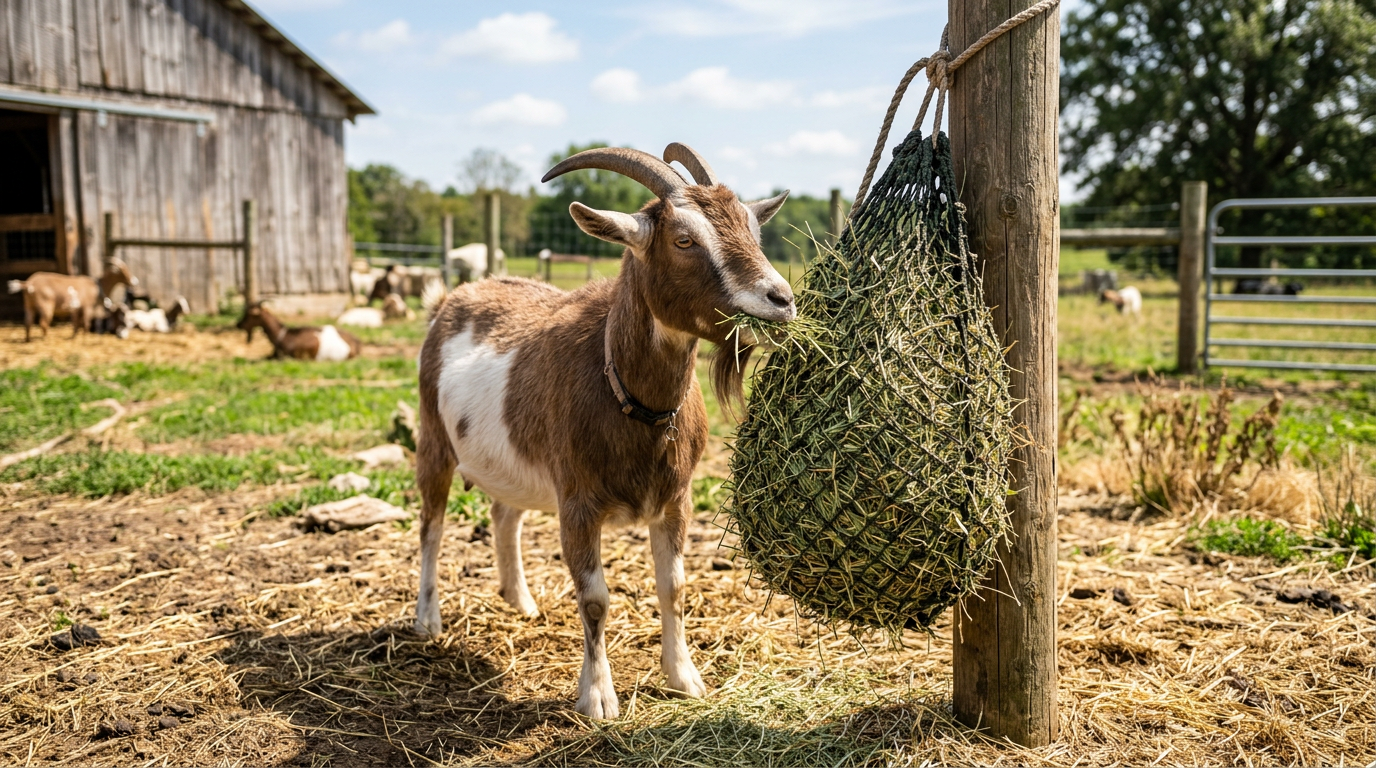
Recommendations for Goat Owners
Selecting the right hay net mesh size is crucial for optimizing goat health and feeding efficiency. Goat owners should consider various factors when choosing the appropriate mesh size for their animals.
- Factors to Consider:
- Age: Younger goats may benefit from smaller mesh sizes to regulate their intake and promote better digestion. Adult goats can handle larger sizes depending on their feeding habits.
- Size: Larger breeds might require larger mesh openings for comfortable feeding, while smaller breeds can utilize smaller mesh sizes effectively.
- Health: Goats with digestive issues or specific dietary needs may fare better with smaller mesh sizes to prevent overeating and promote slower feeding.
- Optimal Mesh Sizes for Different Goat Types:
- Kids (1-3 months): Small mesh (1 inch) to encourage slow feeding and improve digestive health.
- Weanlings (3-6 months): Medium mesh (2 inches) for balanced access and to support healthy growth.
- Adults: Depending on activity level, medium (2-3 inches) or larger (3 inches) mesh sizes can be suitable. Monitor for signs of overeating.
- Feeding Schedules to Maximize Hay Utilization:
- Implement regular feeding times to control hay intake and prevent competition among goats.
- Provide hay in nets to extend feeding duration, allowing goats to graze throughout the day rather than consuming large amounts in a short period.
- Adjust feeding practices based on mesh size to ensure goats are achieving optimal nutrition while reducing waste.
| Goat Type | Recommended Mesh Size | Feeding Frequency |
|---|---|---|
| Kids | 1 inch | 3-4 times daily |
| Weanlings | 2 inches | 2-3 times daily |
| Adults | 2-3 inches | 1-2 times daily |
These recommendations help goat owners make informed decisions about hay net selection, ultimately contributing to better health and nutrition for their herds.
Hay Net Management and Feeding Strategies
Effective hay net management is crucial for optimizing goat feeding habits and promoting overall health. By understanding how to use hay nets strategically, breeders can create a better feeding environment for their goats.
- Maintenance Tips for Longevity:
- Regularly inspect hay nets for wear and tear. Look for frayed areas or weakened seams that could lead to failures during use.
- Clean nets to prevent mold and bacteria buildup. Use a vinegar-water solution to disinfect and ensure freshness.
- Store nets in a dry place when not in use to prolong their lifespan and prevent damage from moisture.
- Feeding Environment Considerations:
- Position hay nets at appropriate heights to encourage natural grazing behavior. This mimics the goats' natural foraging instincts and promotes better posture while eating.
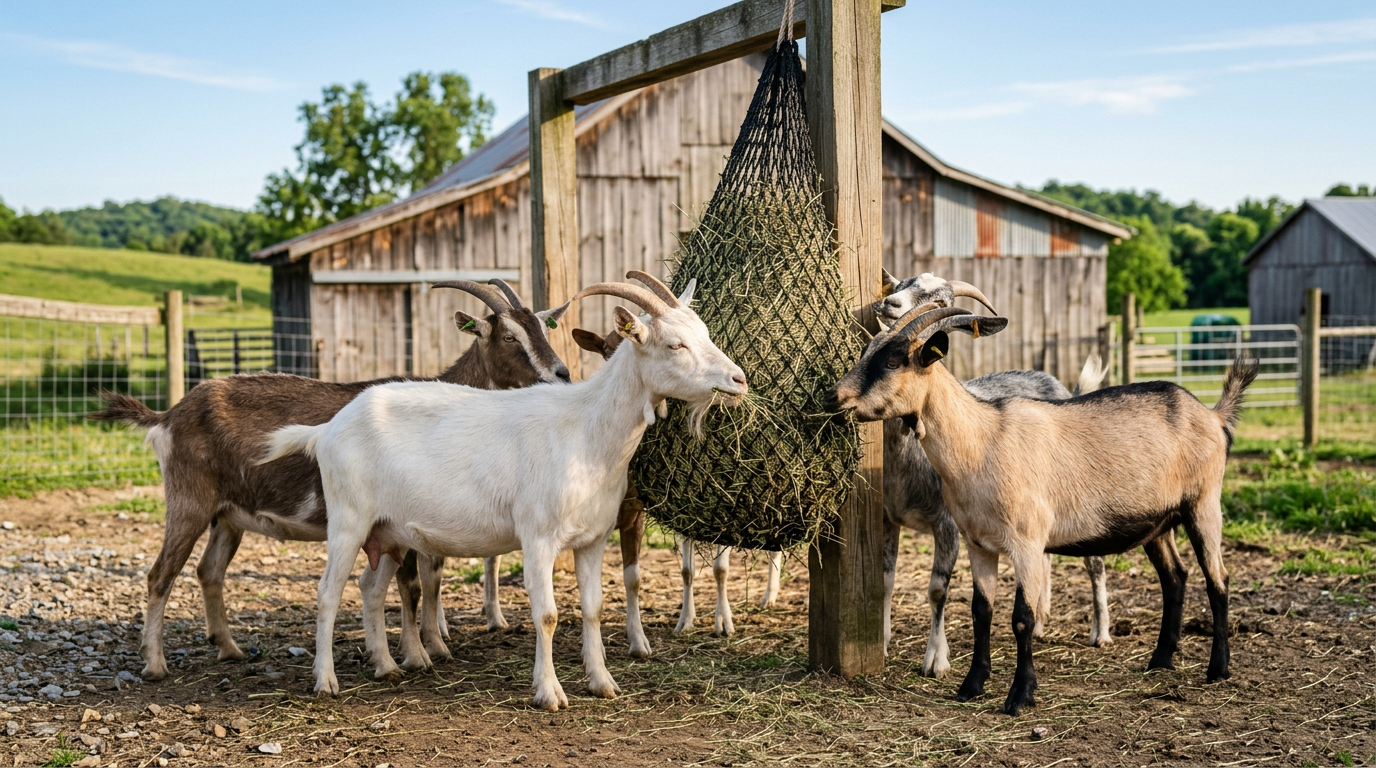
- Ensure adequate space around the nets to prevent overcrowding. This prevents competition among goats and reduces stress during feeding.
- Monitor environmental factors such as weather and temperature. Providing shelter during extreme conditions can improve feeding efficiency and comfort.
- Impact of Mesh Size on Grazing Patterns:
- Smaller mesh sizes encourage goats to graze more slowly, leading to increased chewing time and better digestion. This can also promote social interactions among goats as they share feeding spaces.
- Larger mesh sizes allow for quicker access to hay but can lead to rapid consumption. This may result in digestive issues, so monitoring intake is essential.
- Adjusting mesh sizes based on goat age and health can optimize feeding strategies. Younger goats or those with specific dietary needs may benefit from smaller mesh sizes to regulate their intake.
By implementing these management strategies, goat owners can enhance the effectiveness of hay nets, ensuring that their goats receive the necessary nutrition while promoting healthier feeding behaviors.
| Strategy | Description |
|---|---|
| Maintenance | Inspect and clean nets regularly to prolong their lifespan. |
| Feeding Environment | Position nets correctly and ensure adequate space for all goats. |
| Mesh Size Impact | Choose appropriate mesh sizes based on goat age and health needs. |
Final Words
Final Words
Understanding hay net mesh size is crucial for optimizing goat health and nutrition. This article highlighted the significance of different mesh sizes on feeding behavior and dietary habits. Smaller mesh sizes can enhance digestion, while larger sizes facilitate quicker feeding.
Recommendations were provided to help goat owners choose the optimal mesh size based on various factors, including age and health. Effective hay net management and tailored feeding strategies further contribute to improved feeding efficiency.
By implementing the right hay net mesh size and strategies, goat owners can promote better feeding habits and overall well-being for their goats.
FAQ
Q: What is hay net mesh size?
A: Hay net mesh size refers to the dimensions of the openings in hay nets, influencing how goats access and consume hay, which affects their feeding behavior and overall health.
Q: How does mesh size impact goat feeding behavior?
A: Mesh size significantly impacts feeding behavior; smaller openings promote slower eating and better digestion, while larger openings allow quicker access to hay, affecting nutrient absorption.
Q: What are the benefits of small mesh hay nets?
A: Small mesh hay nets encourage slower feeding, improving digestion and reducing waste by allowing goats to graze more effectively, thus promoting better health and nutrition.
Q: What are the drawbacks of using large mesh hay nets?
A: Large mesh hay nets enable faster feeding but can lead to overeating and digestive issues, as goats may consume hay too quickly without proper chewing.
Q: How should goat owners choose hay net sizes?
A: Goat owners should consider factors like age, size, and dietary needs when selecting hay net sizes to ensure optimal feeding practices and enhance overall goat health.
Q: What are optimal mesh sizes for different goat types?
A: Optimal mesh sizes vary; smaller nets suit younger or smaller goats, while larger nets are better for adult goats, ensuring that feeding habits align with their specific needs.
Q: What maintenance tips are recommended for hay nets?
A: Regularly inspect hay nets for wear, clean them to prevent mold, and store them properly to ensure longevity and maintain effectiveness in goat feeding practices.
Q: How does mesh size affect grazing patterns?
A: The mesh size influences grazing patterns by dictating how goats interact with their feed, impacting their motivation to graze and their overall feeding efficiency.


