
Fence Line Hay Feeding Done Right Boosts Efficiency

Are you still tossing hay onto the ground, watching precious resources go to waste? Fence line hay feeding offers a transformative approach that not only minimizes waste but also optimizes livestock health. By strategically placing feeders along your fencing, you can streamline feeding practices and enhance efficiency in your operations. This blog post will explore how implementing fence line hay feeding not only boosts productivity but also supports animal well-being, ensuring a healthier herd and a more sustainable farming method.
Fence Line Hay Feeding Done Right Boosts Efficiency
Implementing fence line hay feeding can significantly enhance the efficiency of livestock operations. This method allows for streamlined feeding processes, leading to reduced labor and cost. Key benefits include:
- Reduced Hay Waste: By positioning feeders along fence lines, animals have direct access, minimizing the amount of hay that gets trampled or contaminated.
- Improved Animal Health: Access to clean, fresh hay while reducing waste can lead to better nutrition for livestock, ultimately promoting better overall health and productivity.
- Labor Efficiency: Fence line systems require less manual handling of hay, allowing producers to allocate labor resources to other critical tasks on the farm.
- Environmental Benefits: This method helps mitigate environmental impacts by reducing feed waste and runoff, thereby contributing to more sustainable farming practices.
- Increased Feeding Flexibility: Producers can adjust feeding locations as needed, promoting better pasture management by allowing for rotational grazing and minimizing overgrazing in specific areas.
The effective implementation of fence line hay feeding requires careful consideration of layout and equipment selection. By optimizing these elements, livestock producers can maximize the advantages of this feeding strategy, leading to a more efficient and healthier herd.
| Benefit | Description |
|---|---|
| Reduced Hay Waste | Direct access minimizes contamination and trampling. |
| Improved Animal Health | Enhanced nutrition leads to better health and productivity. |
| Labor Efficiency | Less manual handling of hay frees up labor resources. |
| Environmental Benefits | Less feed waste contributes to sustainable practices. |
| Increased Feeding Flexibility | Allows for rotation and better pasture management. |
Setting Up Your Fence Line Hay Feeding System
Establishing an effective fence line hay feeding system requires careful planning and the right equipment. By ensuring all components are properly selected and laid out, livestock producers can maximize efficiency and minimize waste.
Equipment Needed
- Feeders: Select durable, weather-resistant feeders designed for the specific type of livestock. Options include stationary and portable feeders, which can be adjusted based on pasture needs.
- Troughs: Incorporate troughs for water access, providing livestock with a reliable water source near feeding areas to encourage hydration.
- Fencing Materials: Strong fencing is essential to contain livestock while allowing easy access to feeders. Consider using high-tensile wire or electric fencing for durability and effectiveness.
- Water Access Points: Ensure water sources are easily reachable from feeding areas to promote regular hydration, especially in hot weather.
Layout Considerations
- Accessibility for Livestock: Design the layout to ensure easy access to feeders and troughs. Avoid obstacles that may hinder animal movement, and create a flow that minimizes stress during feeding.
- Drainage and Erosion Control: Position feeders on elevated ground to reduce the risk of water pooling and erosion. Incorporate drainage channels around feeding zones to manage runoff.
- Distance from Water Sources: Maintain an optimal distance between feeding areas and water sources to prevent contamination while ensuring livestock can easily access both resources.
By focusing on the right equipment and thoughtful layout, producers can set up a fence line hay feeding system that enhances efficiency, promotes animal health, and reduces resource waste.
| Equipment Needed | Description |
|---|---|
| Feeders | Durable, weather-resistant feeders suitable for livestock. |
| Troughs | Provide a reliable water source near feeding areas. |
| Fencing Materials | Strong fencing to contain livestock and allow access. |
| Water Access Points | Ensure easy hydration close to feeding zones. |
| Layout Considerations | Description |
|---|---|
| Accessibility for Livestock | Design for easy access to feeders and troughs. |
| Drainage and Erosion Control | Position feeders on elevated ground to prevent pooling. |
| Distance from Water Sources | Optimal distance to prevent contamination while ensuring access. |
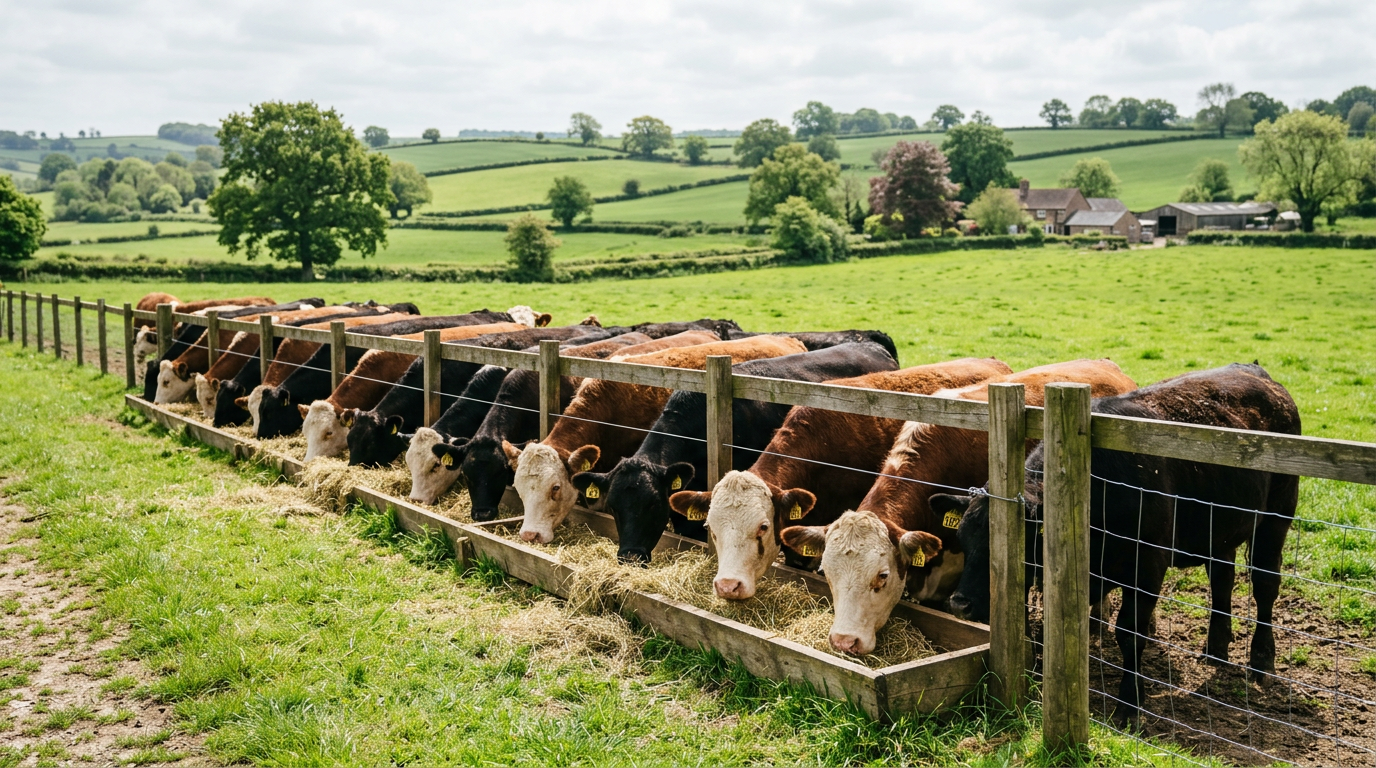
Effective Hay Feeding Techniques
Optimizing hay feeding techniques is crucial for maximizing efficiency in fence line feeding systems. Implementing these strategies not only reduces waste but also enhances the overall health of the livestock.
Techniques for Optimizing Hay Feeding
- Use of Proper Feeder Design: Select feeders that minimize waste and allow for easy access. Design features such as sides that prevent trampling and adjustable heights that cater to the specific livestock can significantly improve feeding efficiency.
- Regularly Monitor Hay Quality: Consistent checks on hay quality ensure that livestock receive the best nutrition. Look for signs of mold, spoilage, or nutrient degradation, and adjust feeding practices accordingly.
- Implement Rotational Feeding Schedules: Rotating feeding locations along the fence line can reduce overgrazing and promote better pasture management. This technique allows for recovery time for grazed areas, ensuring a sustainable feed source.
Benefits of Effective Hay Feeding Techniques
- Improved Nutritional Intake: Ensuring high-quality hay and proper feeding practices leads to better livestock health and productivity.
- Decreased Environmental Impact: Efficient feeding reduces waste and runoff, contributing to more sustainable farming practices.
- Enhanced Forage Utilization: By optimizing feeding techniques, producers can ensure livestock make the most of available forage resources, maximizing overall feed efficiency.
| Technique | Description |
|---|---|
| Proper Feeder Design | Minimizes waste and allows easy access for livestock. |
| Monitor Hay Quality | Ensures livestock receive nutritious and uncontaminated feed. |
| Rotational Feeding Schedules | Promotes pasture recovery and minimizes overgrazing. |
Addressing Challenges in Fence Line Feeding
Implementing fence line hay feeding can present certain challenges that producers must navigate to ensure optimal efficiency and livestock health. Identifying these challenges allows for the development of effective strategies to mitigate their impacts.
Common Issues
- Weather Impacts: Adverse weather conditions can affect feed quality and accessibility. Rain and snow can lead to spoilage, while extreme temperatures may deter animals from feeding.
- Animal Behavior: Livestock may exhibit undesirable behaviors, such as aggressive competition for feed or reluctance to approach feeders, impacting overall feeding efficiency.
- Feed Spoilage: Improper storage or exposure to the elements can lead to feed spoilage, wasting resources and potentially harming animal health.
Strategies to Mitigate Challenges
- Use of Weather-Resistant Feeders: Select feeders designed to withstand harsh weather, ensuring hay remains dry and clean. Features like roofs or overhangs can protect feed from rain and snow.
- Behavioral Training for Livestock: Implement training techniques to encourage calm feeding behaviors. Gradual acclimatization to feeders can reduce competition and improve overall feeding dynamics.
- Regular Feed Management Practices: Establish a routine for inspecting and replenishing feed supplies. Remove spoiled hay and monitor feed quality to prevent waste and ensure livestock receive optimal nutrition.
By addressing these challenges with targeted strategies, producers can enhance the effectiveness of their fence line hay feeding systems, leading to improved livestock health and operational efficiency.
| Common Issue | Mitigation Strategy |
|---|---|
| Weather Impacts | Use of weather-resistant feeders |
| Animal Behavior | Behavioral training for livestock |
| Feed Spoilage | Regular feed management practices |
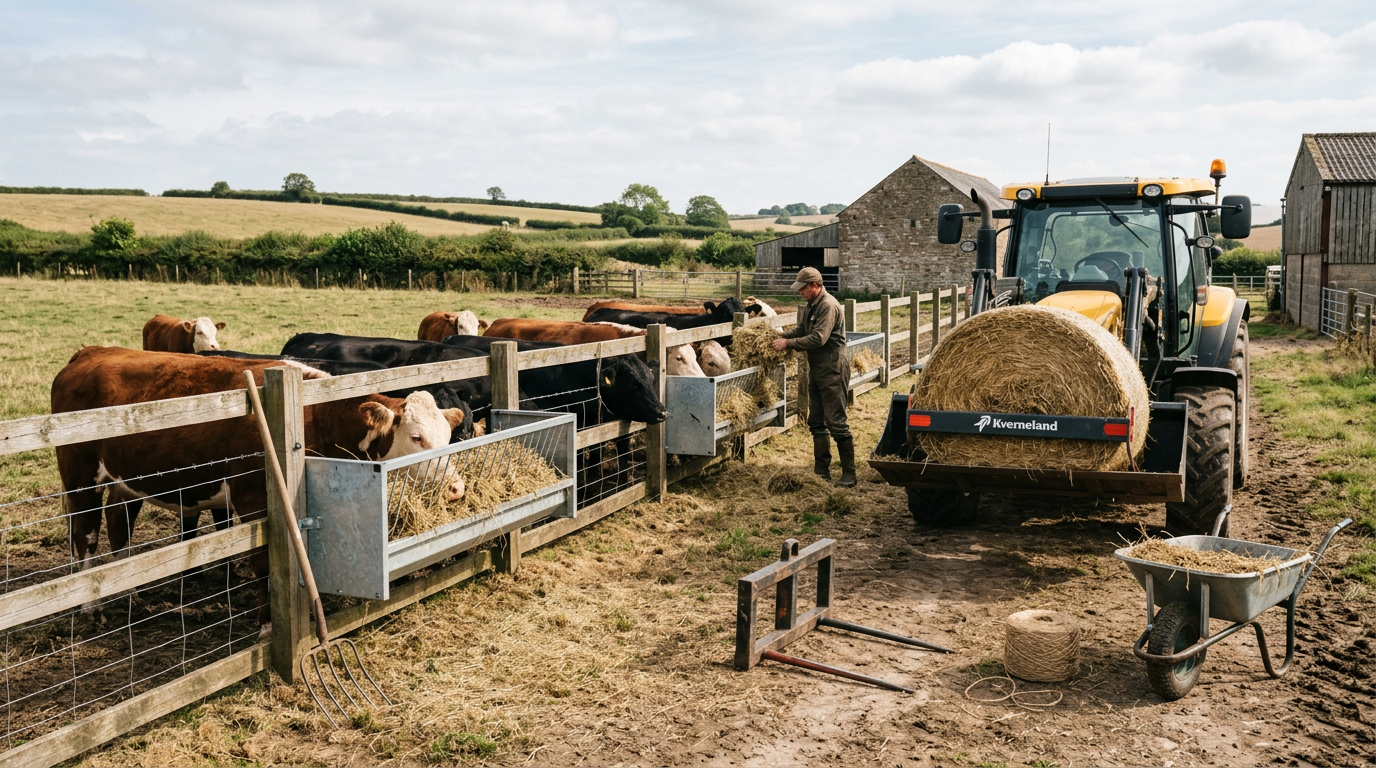
Maintenance for Long-Term Success
Maintaining fence line hay feeding systems is crucial for ensuring their long-term effectiveness and efficiency. Regular upkeep can prevent costly repairs and enhance the overall productivity of livestock operations. Key maintenance practices include:
- Inspect Feeders for Wear and Tear: Regularly check feeders for any signs of damage or wear. Replace broken components as needed to guarantee consistent access to hay.
- Clean Feeding Areas Regularly: Remove debris and spoiled hay from feeding areas to minimize the risk of disease and keep the environment hygienic for livestock.
- Monitor Fencing Integrity: Periodically inspect fencing for any signs of deterioration or breaches. Ensure that fencing remains secure to prevent livestock from escaping or accessing unwanted areas.
Long-term considerations are essential for optimizing the functionality of fence line feeding systems:
- Seasonal Adjustments for Feeding: Adapt feeding practices based on seasonal changes. For example, adjust hay availability during winter months when feed is critical.
- Evaluating Feed Quality and Type: Regularly assess the quality of hay being fed to ensure it meets the nutritional needs of livestock. Consider the type of hay based on livestock requirements and availability.
- Planning for Potential Shortages: Prepare for potential feed shortages by maintaining an inventory of hay supplies and establishing relationships with suppliers for timely access.
| Maintenance Practice | Description |
|---|---|
| Inspect Feeders | Check for damage and replace as necessary. |
| Clean Feeding Areas | Remove debris to maintain hygiene and health. |
| Monitor Fencing | Ensure fencing integrity to contain livestock. |
Final Words
Final Words
Implementing a fence line hay feeding system significantly enhances feeding efficiency and animal health. The setup process requires careful selection of equipment and layout considerations to maximize accessibility and minimize waste. Effective feeding techniques, such as using proper feeder designs and monitoring hay quality, further optimize livestock nutrition.
Addressing common challenges with strategic solutions ensures a smooth operation, while regular maintenance practices promote long-term success. With the right approach, fence line hay feeding can transform livestock management. Embrace the benefits and make fence line hay feeding done right a priority for your farm.
FAQ
Q: What is fence line hay feeding?
A: Fence line hay feeding is a method that allows livestock to access hay along a fence, improving feeding efficiency and reducing waste.
Q: What are the benefits of fence line hay feeding?
A: Benefits include reduced hay waste, improved animal health, and enhanced feeding efficiency, leading to better overall livestock management.
Q: What equipment is needed for fence line hay feeding?
A: Essential equipment includes feeders, troughs, fencing materials, and water access points to support effective hay distribution.
Q: What layout considerations should be made for fence line feeding?
A: Important layout factors include livestock accessibility, drainage and erosion control, and proximity to water sources to optimize feeding efficiency.
Q: What techniques enhance hay feeding effectiveness?
A: Techniques to optimize hay feeding include using proper feeder design, monitoring hay quality, and implementing rotational feeding schedules.
Q: What benefits arise from effective hay feeding techniques?
A: Effective techniques lead to improved nutritional intake, decreased environmental impact, and enhanced forage utilization among livestock.
Q: What challenges are associated with fence line feeding?
A: Common challenges include weather impacts, animal behavior issues, and feed spoilage, which can affect the efficiency of the feeding system.
Q: How can challenges in fence line feeding be mitigated?
A: Solutions include using weather-resistant feeders, training livestock behavior, and practicing regular feed management to minimize issues.
Q: What maintenance is required for fence line feeding systems?
A: Regular maintenance involves inspecting feeders, cleaning feeding areas, and monitoring fencing integrity to ensure long-term system functionality.
Q: What are key long-term considerations for fence line feeding?
A: Long-term considerations include seasonal adjustments for feeding, evaluating feed quality, and planning for potential feed shortages.


