
Choosing Between a 5x5 and a 6x6 Hay Net Made Easy

Choosing the right hay net can significantly impact your livestock's feeding efficiency and overall health. With options like the 5x5 and 6x6 hay nets, the decision can feel overwhelming. Are you prioritizing space or durability? This blog post simplifies the comparison, breaking down the key differences between these two sizes. By examining their feeding capacities, durability, and cost-effectiveness, readers will gain clarity on which hay net best suits their needs. Whether you're a seasoned farmer or a new goat owner, this guide will equip you with the knowledge to make an informed choice.
Choosing Between a 5x5 and a 6x6 Hay Net Made Easy
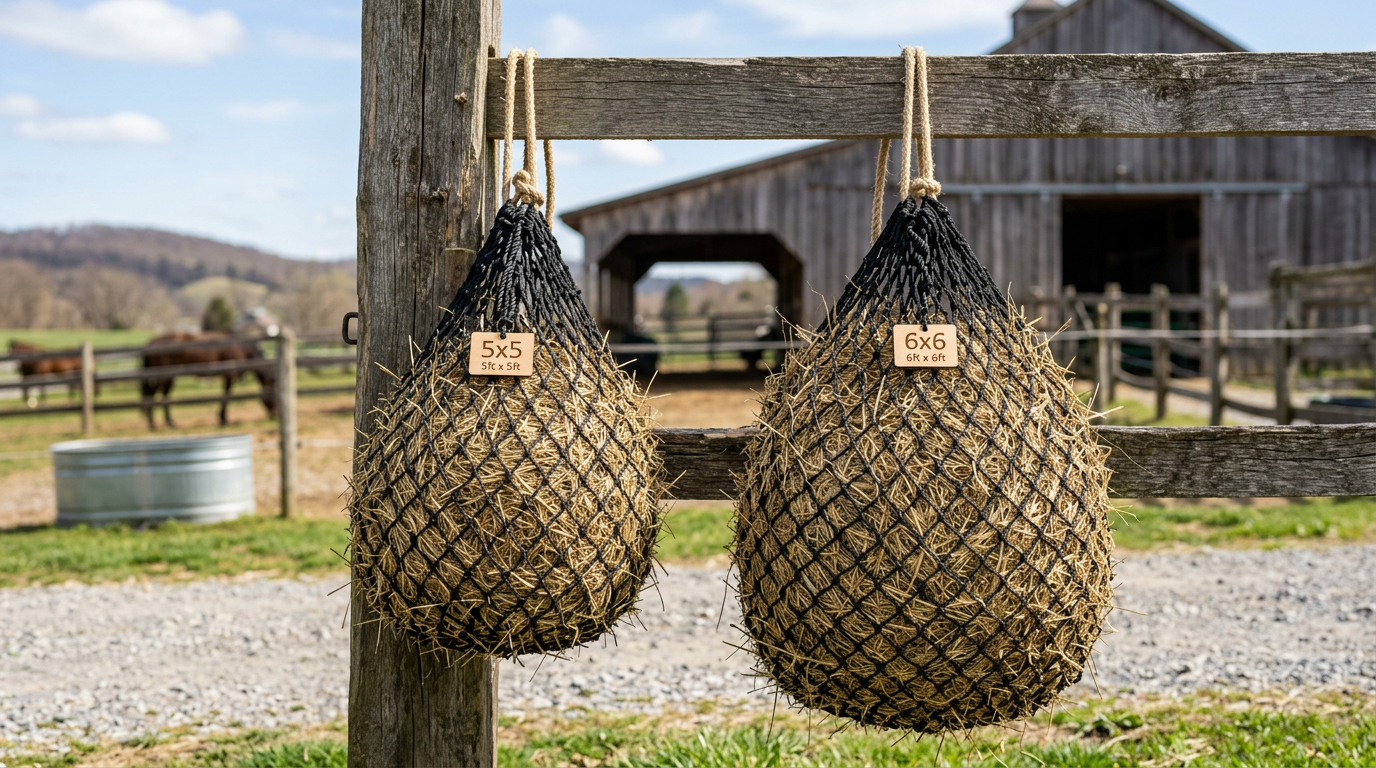
When selecting between 5x5 and 6x6 hay nets, several factors should be considered including size, feeding capacity, durability, and cost.
Size and Feeding Capacity
- 5x5 Hay Nets:
- Ideal for smaller livestock (e.g., goats, sheep).
- Holds approximately 50-60 pounds of hay.
- 6x6 Hay Nets:
- Suited for larger animals (e.g., horses, larger goats).
- Holds approximately 70-90 pounds of hay.
Durability
- 5x5 Hay Nets:
- Typically made from lighter materials, which may wear out faster.
- Recommended for lighter use, ideal for smaller animals needing less hay.
- 6x6 Hay Nets:
- Constructed from heavier, more durable materials.
- Designed for frequent use and larger quantities of hay, providing longer lifespan under heavy use.
Cost Considerations
- 5x5 Hay Nets:
- Generally more affordable, ranging from $15 to $30.
- 6x6 Hay Nets:
- Higher price point, typically $30 to $60, reflecting increased capacity and durability.
| Feature | 5x5 Hay Net | 6x6 Hay Net |
|---|---|---|
| Best For | Smaller livestock | Larger livestock |
| Feeding Capacity | 50-60 lbs | 70-90 lbs |
| Durability | Less durable | More durable |
| Price Range | $15 - $30 | $30 - $60 |
Understanding these key differences will assist in making an informed decision tailored to specific livestock needs and feeding practices.
Optimal Use Cases for 5x5 and 6x6 Hay Nets
Choosing the right hay net size is crucial for optimizing feeding practices based on livestock types and their specific needs.
5x5 Hay Nets
- Ideal for Smaller Livestock: Best suited for goats, sheep, and smaller ponies.
- Feeding Habits: These animals typically consume less hay at a time, making the 5x5 size effective for managing portion control.
- Seasonal Use: During warmer months, smaller nets can help prevent hay waste and encourage foraging behavior, mimicking natural grazing patterns.
- Best Practices: Position hay nets at a height that allows easy access while preventing contamination from the ground.
6x6 Hay Nets
- Ideal for Larger Livestock: Recommended for horses, larger goats, and other substantial breeds needing significant forage.
- Feeding Habits: These nets accommodate larger hay quantities, which is beneficial for animals with higher nutritional demands.
- Seasonal Use: In winter months, larger nets can sustain animals for longer periods, reducing the frequency of feeding and ensuring consistent access to hay.
- Best Practices: Securely fasten nets to prevent tipping and ensure they withstand the vigorous pulling from larger animals.
Specific Recommendations by Livestock Type
- Horses: Use 6x6 nets to prevent overeating while offering ample forage.
- Goats: Both sizes can work, but 5x5 nets are advantageous for maintaining portion control.
- Sheep: Smaller 5x5 nets help prevent waste and allow for slower feeding, reducing the risk of overeating.
| Livestock Type | Recommended Hay Net Size | Rationale |
|---|---|---|
| Horses | 6x6 | Higher forage needs; larger quantity management |
| Goats | 5x5 or 6x6 | Dependent on size and feeding habits |
| Sheep | 5x5 | Slower feeding promotes health; prevents waste |
By understanding these optimal use cases, livestock owners can select the appropriate hay net size, enhancing feeding efficiency and ensuring their animals receive the right nutrition.
Maintenance Tips for Longevity of Hay Nets
Proper maintenance is essential for maximizing the lifespan of both 5x5 and 6x6 hay nets. Implementing regular care practices ensures functionality and safety for livestock.
Regular Cleaning Practices
- Rinse hay nets with water to remove dust and debris after each use.
- Use mild soap for deep cleaning every few weeks, especially if hay residue builds up.
- Allow nets to dry completely before storage to prevent mold and mildew.
Inspection Protocols
- Conduct weekly inspections for signs of wear and tear, such as frayed edges or broken seams.
- Check for any holes or damage to the mesh that could compromise safety.
- Replace nets immediately if significant damage is found to prevent injury to livestock.
Storage Recommendations
- Store hay nets in a dry, cool area when not in use to avoid weather-related deterioration.
- Avoid stacking heavy items on top of nets, which can cause deformation or damage.
- Use breathable storage bags to protect nets from pests while allowing air circulation.
| Maintenance Task | Frequency |
|---|---|
| Clean Hay Nets | After each use |
| Deep Clean with Soap | Every 2-3 weeks |
| Inspect for Damage | Weekly |
| Store Nets | When not in use |
Following these maintenance tips will help extend the life of hay nets, ensuring they remain safe and effective for feeding livestock.
User Reviews and Recommendations for Hay Nets
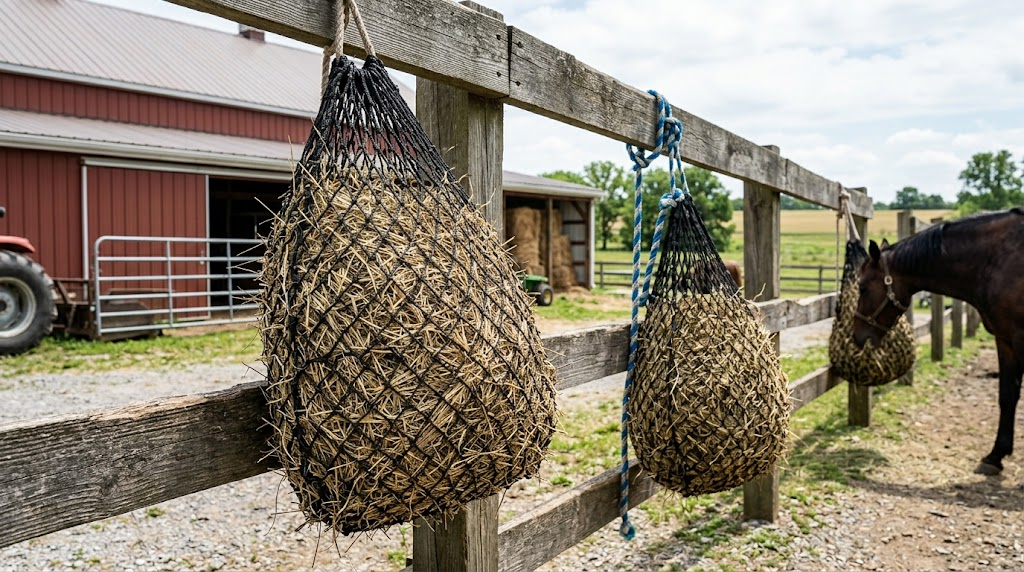
User feedback plays a crucial role in determining the effectiveness of 5x5 and 6x6 hay nets. Below is a summary of common insights shared by users regarding usability, efficiency, and performance.
5x5 Hay Nets
- Usability: Users appreciate the lightweight design, making it easy to handle and refill.
- Efficiency: Owners of smaller livestock often report less hay waste, as the net limits access and encourages foraging.
- Performance: Many users highlight the 5x5 net as ideal for goats and sheep, noting that it meets their feeding needs effectively.
- Recommendations: Recommended for use in smaller pens or during travel due to ease of transport.
6x6 Hay Nets
- Usability: Users find the larger size beneficial for accommodating multiple animals at once, reducing feeding times.
- Efficiency: Horse owners frequently mention that the 6x6 net allows for longer feeding durations, which is particularly useful during the winter months.
- Performance: Users indicate that this size performs well under heavy use, with durable materials standing up to larger livestock's demands.
- Recommendations: Often suggested for farms with multiple larger animals or where higher hay consumption is expected.
| Hay Net Size | User Feedback | Best Use Cases |
|---|---|---|
| 5x5 | Easy to handle, less waste | Goats, sheep, travel |
| 6x6 | Supports multiple animals, durable | Horses, larger livestock, winter feeding |
These insights provide valuable information for potential buyers, enabling them to make well-informed decisions based on real-world experiences.
Final Words
Final Words
Choosing the right hay net—whether 5x5 or 6x6—can significantly impact livestock health and feeding efficiency. The comparison highlighted their unique benefits, such as size, capacity, and durability differences. Optimal use cases guide selection based on animal type and feeding habits, ensuring the right fit for every situation.
Regular maintenance tips ensure these nets last, while user reviews provide real-world insights into their performance. Ultimately, informed choices lead to better care for livestock, making the process more effective and rewarding. Embrace the journey of choosing between a 5x5 and a 6x6 hay net for optimal results.
FAQ
Q: What are the benefits of a 5x5 hay net?
A: The 5x5 hay net is ideal for smaller animals, offering a lower feeding capacity that minimizes waste and promotes slower eating, enhancing digestion.
Q: What advantages does a 6x6 hay net provide?
A: The 6x6 hay net accommodates larger livestock, allowing for a higher feeding capacity. Its durability and larger size make it suitable for more demanding feeding scenarios.
Q: How do 5x5 and 6x6 hay nets compare in size?
A: The primary difference lies in their dimensions. The 5x5 net is smaller and holds less hay, while the 6x6 net is larger, suited for bigger animals or higher hay demands.
Q: What factors influence the durability of hay nets?
A: Durability depends on materials and usage conditions. Both 5x5 and 6x6 nets have specific longevity profiles, which should be considered based on the environment and frequency of use.
Q: How do I choose the right hay net for my livestock?
A: Selecting the right hay net involves considering the animal's size, feeding habits, and seasonal needs. The 5x5 net suits smaller animals, while the 6x6 is better for larger livestock.
Q: What maintenance tips can prolong the lifespan of hay nets?
A: Regular cleaning, inspecting for wear, and proper storage are crucial. Maintaining the mesh integrity ensures safety and functionality, extending the hay net's lifespan.
Q: What do users say about 5x5 and 6x6 hay nets?
A: User reviews highlight usability and performance differences. The 5x5 net often suits smaller animals, while the 6x6 net is preferred for larger livestock, enhancing feeding efficiency.


