
The True Cost of Wasted Hay Over One Winter Explained

Have you ever considered how much money your hay waste could be costing you each winter? Many farmers underestimate the financial implications of poor hay management, with studies showing that up to 30% of hay can be lost due to inadequate practices. This not only affects feed costs but also diminishes herd performance and overall profitability. In this blog post, we will explore the true cost of wasted hay over one winter, analyzing its economic impact and providing insights into effective management strategies that can save you money and improve livestock health.
The Economic Impact of Wasted Hay
Wasted hay can lead to significant financial losses for farmers, with estimates suggesting that up to 30% of hay can be lost due to poor management practices. Understanding the economic consequences of this waste is essential for effective herd management and budgeting.
Potential costs associated with wasted hay include:
- Loss of revenue
- Increased feeding costs
- Reduced herd performance
The following table details a breakdown of losses by percentage, reflecting the financial impact on livestock operations:
| Cost Category | Estimated Loss (%) |
|---|---|
| Revenue Loss | 20-30% |
| Feeding Expense Increase | 10-15% |
| Performance Impact | 5-10% |
These figures illustrate how wasted hay not only affects immediate costs but also has long-term implications for herd health and productivity, emphasizing the need for better management practices to mitigate these losses.
Factors Contributing to Hay Waste
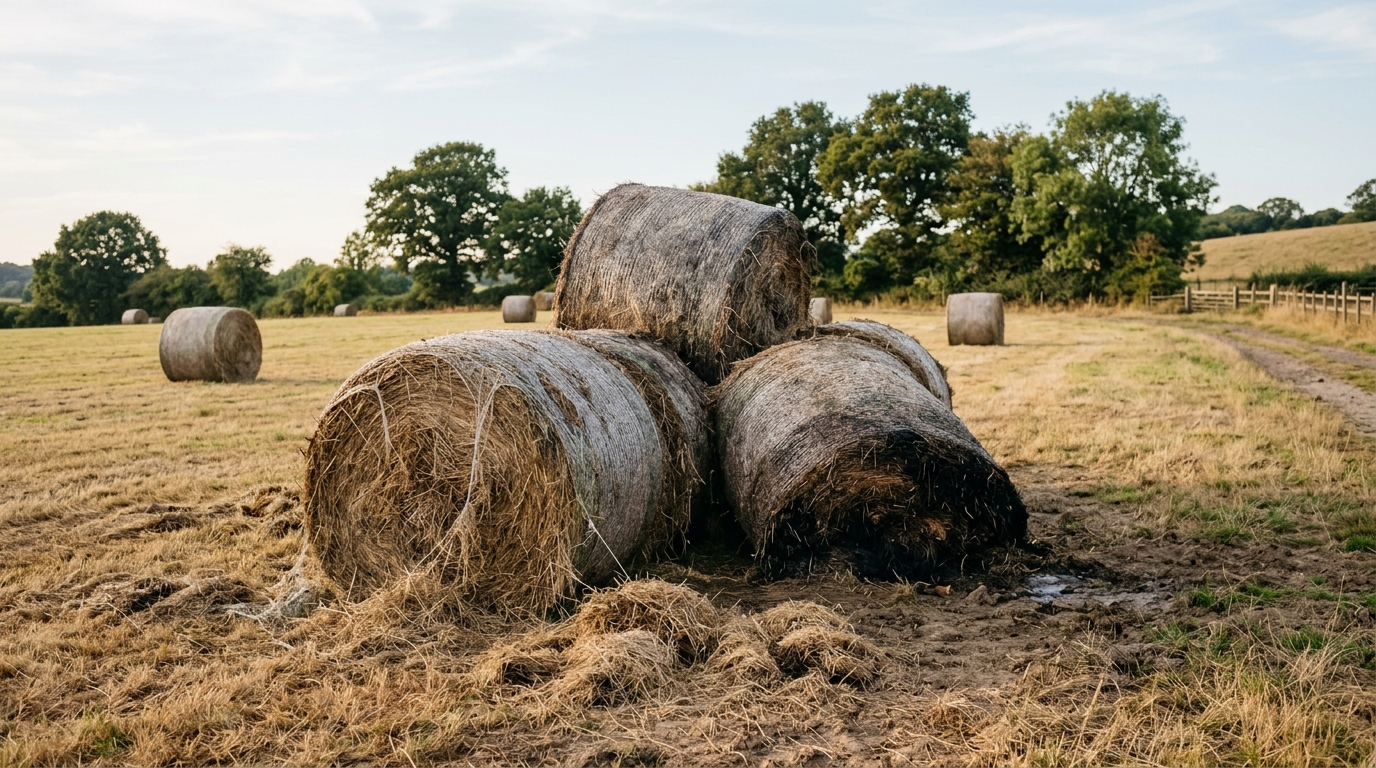
Hay waste can significantly impact the financial viability of livestock operations. Identifying the factors that contribute to hay spoilage is crucial for effective management. Primary contributors to hay waste include:
- Moisture exposure
- Excess moisture from rain or humidity can lead to mold growth and spoilage, resulting in a loss of nutritional value.
- Inadequate ventilation
- Poor airflow in storage areas can trap moisture and heat, further promoting mold and decay.
- Poor feeding techniques
- Inefficient feeding methods can lead to hay being soiled or wasted, reducing the overall quantity available for livestock consumption.
To mitigate these issues and reduce hay waste, implement the following best practices:
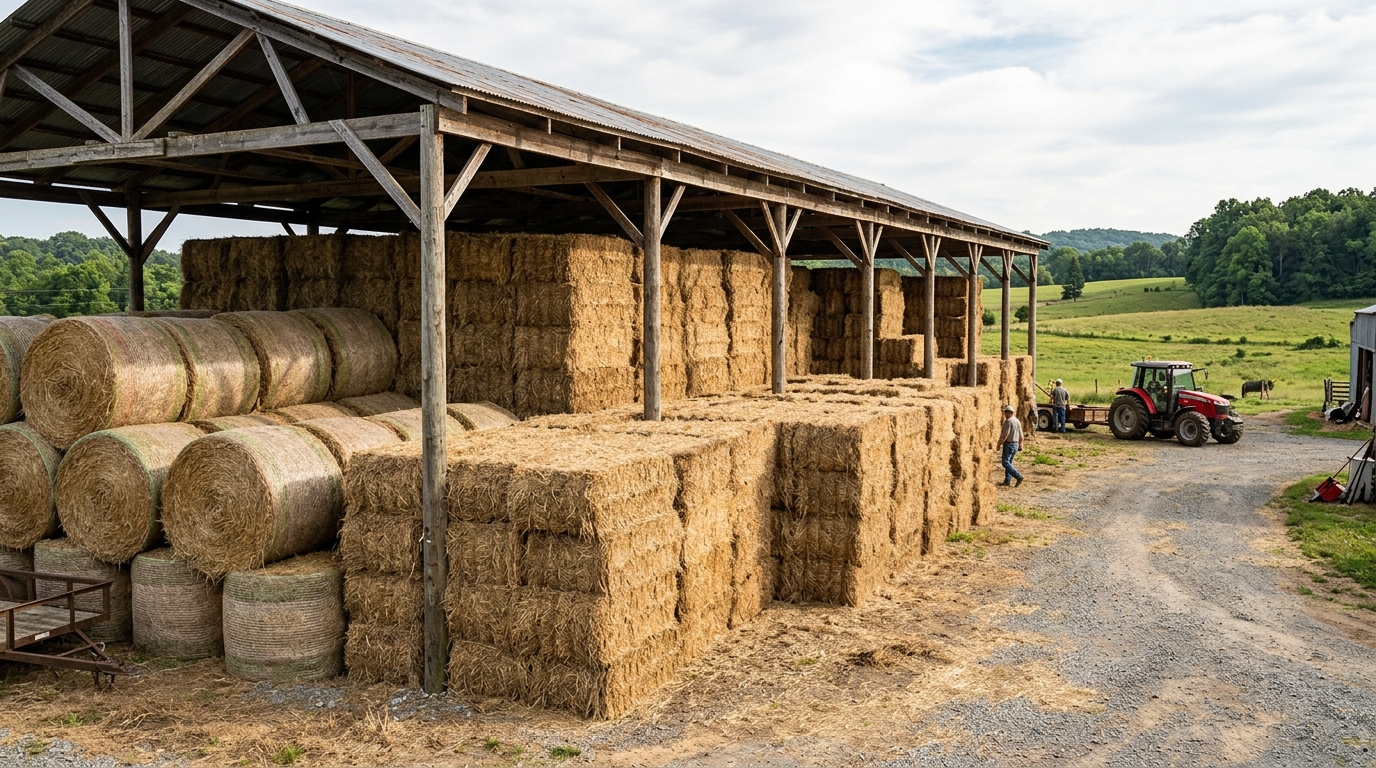
- Utilize covered storage
- Protect hay from rain and snow to minimize moisture exposure.
- Regularly inspect hay quality
- Monitoring hay for signs of spoilage allows for timely use or disposal, preventing waste.
- Implement proper feeding strategies
- Use feeders designed to minimize waste and ensure that livestock consume all provided hay efficiently.
By addressing these factors and adhering to best practices, producers can significantly reduce hay waste, ultimately improving their bottom line during winter months.
Strategies for Reducing Hay Waste
Efficient feeding practices and improved storage solutions play a crucial role in minimizing hay waste. Implementing the following strategies can significantly reduce losses and enhance overall farm profitability:
- Optimize storage conditions
- Use covered storage to protect hay from environmental moisture, reducing spoilage and loss of nutritional value.
- Implement regular inventory checks
- Frequent assessments of hay quality and quantity allow for timely adjustments in feeding and usage, preventing unnecessary waste.
- Train staff on feeding techniques
- Proper training ensures that employees utilize efficient feeding methods, minimizing waste and maximizing livestock consumption.
The following table compares different storage methods and their effectiveness in reducing hay waste:
| Storage Method | Effectiveness (%) |
|---|---|
| Covered Storage | 25% reduction |
| Pallet Storage | 15% reduction |
| Open Air Storage | 5% reduction |
By adopting these strategies, farmers can achieve substantial savings and improve the efficiency of hay management, ultimately leading to better herd performance and financial stability.
Case Studies and Statistical Analysis
Analyzing real-world case studies and statistical data provides insight into the financial impact of hay waste during winter months. Several regions have demonstrated that effective management practices lead to significant reductions in hay waste. Key findings from these studies include:
- Regions with improved management reduced waste by 20%.
- Financial savings reported in successful case studies range from $5,000 to $10,000 annually.
- Enhanced livestock health correlates with better hay quality, resulting from efficient storage and feeding practices.
The following chart illustrates the correlation between waste reduction and annual savings across different regions:
| Region | Waste Reduction (%) | Annual Savings ($) |
|---|---|---|
| Midwest | 20% | 7,500 |
| Southeast | 15% | 5,000 |
| Northwest | 30% | 10,000 |
These findings underscore the importance of adopting effective hay management strategies to minimize waste and realize substantial financial benefits during the winter months.
Final Words
Final Words
Effective management of hay is crucial to maintaining a profitable operation. Analyzing the economic impact of wasted hay reveals significant financial losses, with estimates suggesting up to 30% can be lost. Factors such as moisture exposure and inadequate ventilation exacerbate this issue, but implementing best practices can mitigate waste effectively.
By utilizing covered storage and optimizing feeding techniques, farmers can significantly reduce waste, ultimately enhancing herd performance and financial health. The true cost of wasted hay over one winter can be substantial, but with informed strategies, farmers can turn potential losses into savings.
FAQ
Q: What is the economic impact of wasted hay?
A: Wasted hay can cause significant financial losses, with estimates suggesting that up to 30% may be lost due to poor management practices affecting overall livestock budgets.
Q: What costs are associated with wasted hay?
A: Potential costs of wasted hay include revenue loss (20-30%), increased feeding expenses (10-15%), and reduced herd performance (5-10%), all significantly impacting profitability.
Q: What factors contribute to hay waste?
A: Major contributors to hay waste include moisture exposure, inadequate ventilation, and poor feeding techniques, which can result in up to 30% loss in hay quality.
Q: How can hay waste be reduced?
A: Effective strategies include optimizing storage conditions, conducting regular inventory checks, and training staff on proper feeding techniques to minimize waste by up to 15%.
Q: What do case studies reveal about hay waste?
A: Case studies indicate that regions with improved storage solutions reduced hay waste by 20%, yielding financial savings of $5,000 to $10,000 annually and enhancing livestock health.


