
How to Hold a Goat Still for Hoof Trimming Successfully

Is your goat's hoof care routine turning into a wrestling match? Holding a goat still for hoof trimming can often feel like a battle between owner and animal. However, mastering effective restraint techniques is crucial for ensuring a safe and efficient trimming process. Proper preparation and knowing how to position your goat can both reduce stress and enhance safety. This guide will provide actionable insights into successfully holding your goat still during hoof trimming, transforming what can be a challenging task into a more manageable and even enjoyable experience.
How to Hold a Goat Still for Hoof Trimming Successfully
- Tools to Gather:
- Hoof trimmers
- Halter or headgate
- Sturdy surface
- Choosing Location:
- Quiet area
- Good lighting
- Non-slippery surface
- Importance of Preparation:
- Reduces stress on the goat
- Ensures safety for both goat and owner
Techniques for Holding a Goat Still for Hoof Trimming
- Using Restraints:
- Types of restraints:
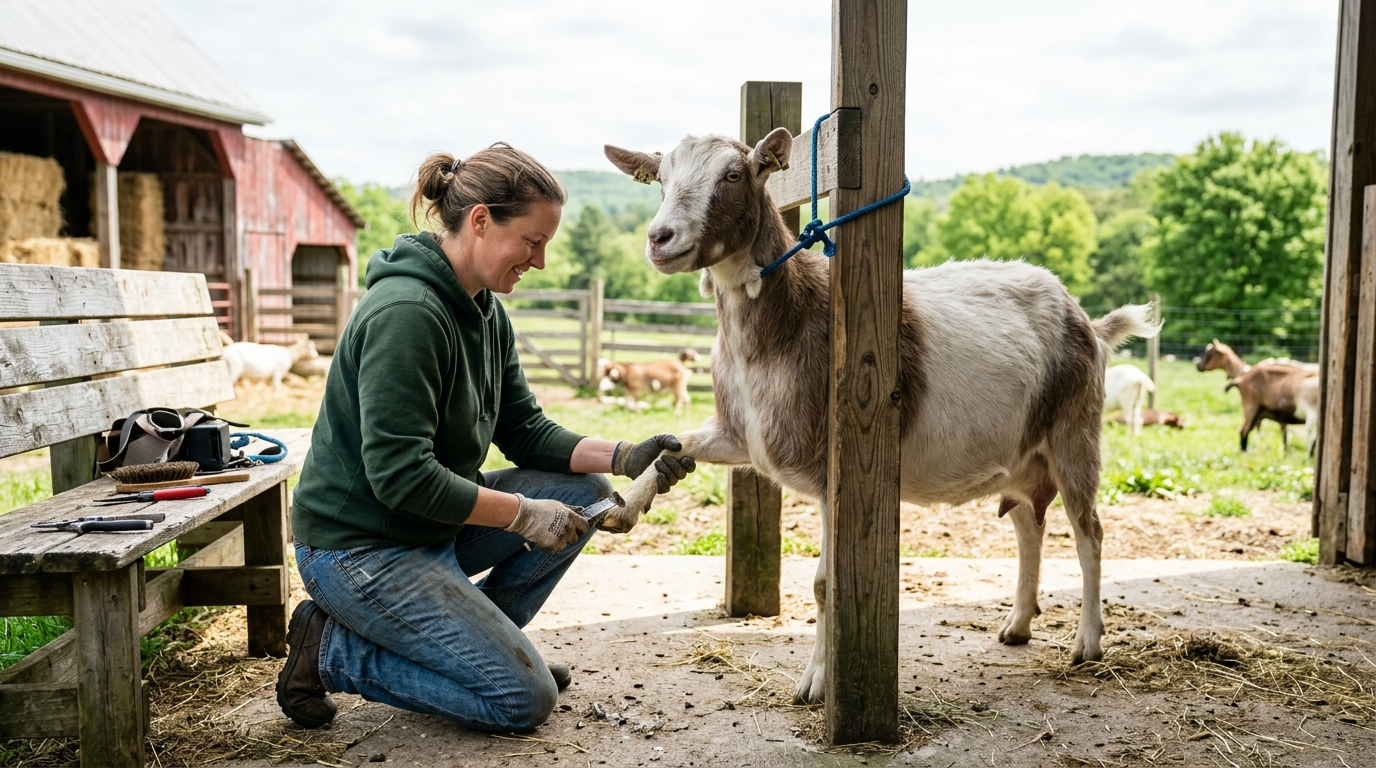
- Halters: Use a well-fitted halter to control the goat’s head. This allows for easier access to the hooves without the risk of sudden movements.
- Headgates: A headgate can be employed for more secure restraint, preventing the goat from moving its head during trimming.
- Proper application and technique:
- Ensure the halter is snug but not too tight, allowing for comfortable movement.
- When using a headgate, position it correctly to minimize discomfort while maximizing control.
- Positioning the Goat:
- Best positions for trimming:
- Standing: Position the goat on a flat surface, standing squarely for stability.
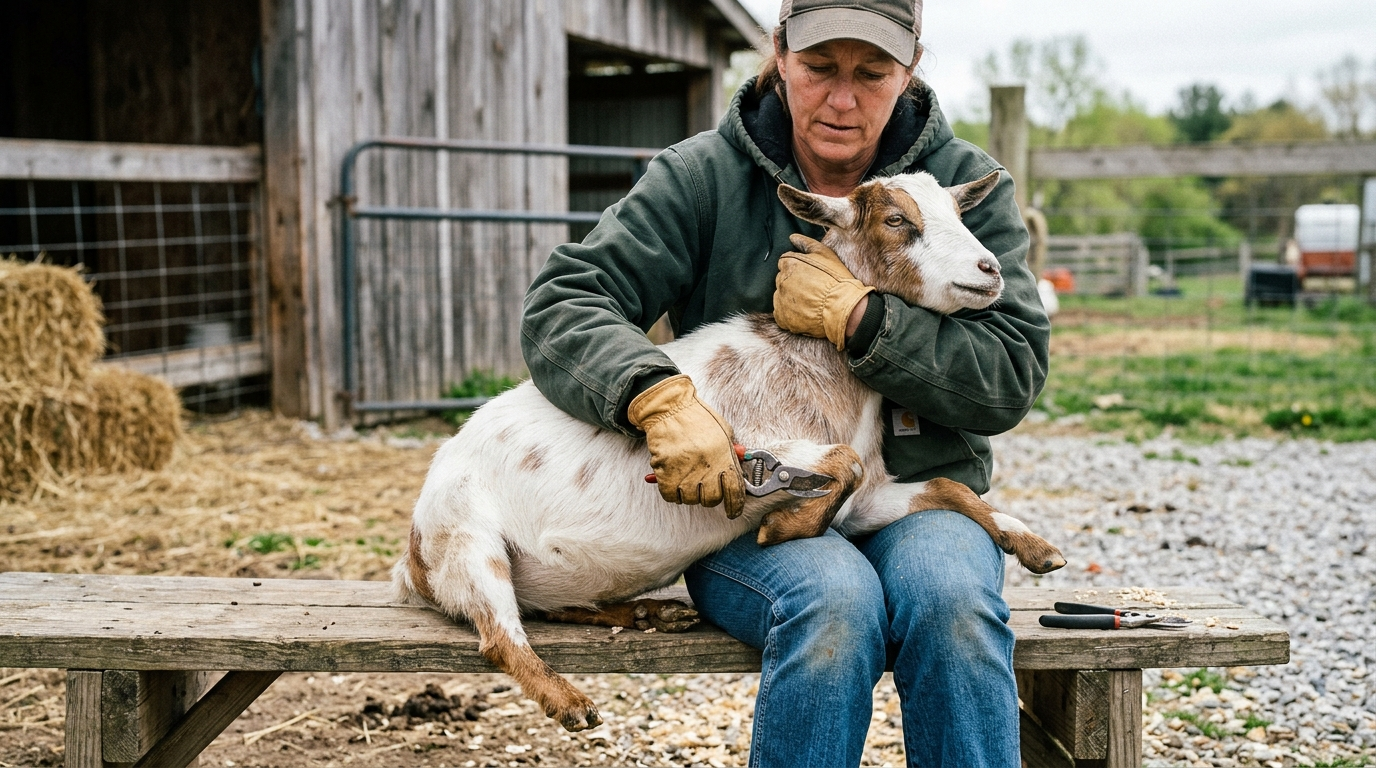
- Sitting: If the goat is calm, placing it in a seated position may help it feel more secure during trimming.
- How to safely lift and hold the hooves:
- Grasp the leg firmly but gently, lifting the hoof while maintaining control over the goat’s body.
- Support the hoof with your knee or thigh to keep it steady while trimming.
- Safety Tips:
- Avoiding stress and injury:
- Monitor the goat’s reactions; if it appears distressed, pause and allow it to relax before continuing.
- Avoid sudden movements or loud noises that could startle the goat during the process.
- Reading goat body language during the process:
- Pay attention to signs of anxiety, such as tail movements or shifting weight.
- Adjust your handling techniques based on the goat's comfort level, ensuring a calmer experience for both the goat and handler.
Calming the Goat Before Trimming
- Gentle Handling:
- Approaching the goat calmly helps establish trust. Move slowly to avoid startling the goat.
- Use soft voices and slow movements to create a relaxed atmosphere, minimizing stress during the handling process.
- Treats and Rewards:
- Employ positive reinforcement techniques by offering treats when the goat remains calm. This encourages good behavior.
- The importance of rewards for calm behavior cannot be overstated, as they help create a positive association with the trimming process.
- Environmental Adjustments:
- Using calming scents like lavender can help soothe the goat. Consider diffusing essential oils in the trimming area.
- Creating a familiar and safe space is crucial; ensure the goat is in an environment it recognizes, reducing anxiety during hoof trimming.
Safety Considerations During Hoof Trimming
- Preventing Injury to the Goat:
- Ensuring proper restraint: Use halters or headgates to secure the goat effectively, preventing sudden movements that could lead to injuries during trimming.
- Monitoring for signs of stress: Keep an eye on the goat's body language; signs such as excessive shifting, vocalizations, or attempts to escape should prompt a pause to assess the situation and allow the goat to calm down.
- Protecting the Handler:
- Wearing appropriate clothing: Dress in durable clothing that covers the legs and arms to protect against accidental kicks or scratches during the trimming process. Closed-toe shoes with non-slip soles are essential for maintaining footing.
- Positioning oneself safely: Stand to the side of the goat during trimming to minimize the risk of being kicked. Ensure that the goat's legs are properly supported to prevent sudden shifts.
- Emergency Preparedness:
- Knowing first aid tips for minor injuries: Familiarize yourself with basic first aid procedures for cuts or scrapes that may occur during the trimming process, ensuring readiness for minor incidents.
- Establishing a plan for handling stress reactions: Have a strategy in place for when a goat becomes overly stressed or agitated, such as using calming techniques or taking a break, to ensure a safe and productive trimming experience.
Common Challenges and Solutions in Hoof Trimming
- Dealing with Nervous Goats:
- Techniques to calm anxious goats:
- Use calming techniques such as gentle petting and soothing vocalizations.
- Provide treats or snacks to create a positive reinforcement loop, making the goat associate trimming with rewards.
- Understanding nervous behaviors:
- Recognize signs of anxiety, such as increased vocalization, fidgeting, and attempts to escape.
- Allow the goat to acclimate to the trimming area before starting to reduce stress.
- Handling Difficult Situations:
- Strategies for uncooperative goats:
- If a goat resists, take a break and try again later; forcing the situation can increase anxiety.
- Utilize a partner to assist in holding the goat while you trim, ensuring it has a calm presence.
- Adjusting methods based on goat temperament:
- Assess each goat’s individual temperament; some may respond better to different handling techniques, like positioning or restraint.
- Tailor your approach based on what works best for each goat, whether it be a gentle hold or more secure restraints.
- Mistakes to Avoid:
- Common errors made by beginners:
- Rushing the trimming process can lead to mistakes and potential injuries; take your time to ensure accuracy.
- Avoid using dull tools; this can cause discomfort and lead to a negative experience for the goat.
- Tips for improving trimming technique:
- Practice proper hoof trimming techniques on a regular basis to build confidence and skill.
- Seek feedback from experienced goat owners or professionals to refine your approach.
- Seeking Help:
- When to consult a professional:
- If a goat consistently resists trimming, it may be beneficial to hire a professional farrier or veterinarian for assistance.
- Consider professional help if you are unsure about proper trimming techniques or if the goat has specific health concerns.
- Resources for further learning:
- Attend workshops or seminars focused on goat care and hoof trimming to gain hands-on experience.
- Utilize online resources, such as instructional videos or forums, to expand your knowledge and skills.
Final Words
Final Words
Effective hoof trimming starts with thorough preparation, including gathering the right tools, choosing an appropriate location, and creating a calm environment. Restraint techniques and proper positioning are crucial for holding a goat still during the process. Calming methods, such as gentle handling and rewards, further reduce anxiety for the goat.
Safety considerations play a vital role in protecting both the goat and the handler. Addressing common challenges ensures a smoother trimming experience. Following these guidelines will lead to successful hoof trimming outcomes. Understanding how to hold a goat still for hoof trimming enhances both the goat's well-being and the owner's confidence.
FAQ
Q: What tools are necessary for goat hoof trimming?
A: Essential tools include hoof trimmers, a halter or headgate, and a sturdy surface for trimming.
Q: How should I choose a location for hoof trimming?
A: Select a quiet area with good lighting and a non-slippery surface to enhance safety and comfort.
Q: Why is preparation important before trimming goat hooves?
A: Proper preparation reduces stress on the goat and ensures safety for both the goat and the owner during the process.
Q: What are effective techniques for holding a goat still?
A: Utilize restraints like halters or headgates, position the goat securely, and ensure safe lifting of the hooves.
Q: How can I safely lift and hold a goat's hooves?
A: Position the goat in a comfortable stance and support the hoof while trimming, ensuring minimal stress on the animal.
Q: What should I do to calm a goat before trimming?
A: Approach the goat gently, use soft voices, and consider offering treats to reinforce calm behavior.
Q: How can environmental adjustments help calm a goat?
A: Create a familiar space and use calming scents or music to reduce anxiety during the trimming process.
Q: What safety considerations should I keep in mind during hoof trimming?
A: Ensure proper restraint, monitor for stress signs, wear appropriate clothing, and position yourself safely to avoid injury.
Q: How can I prevent injury to both the goat and myself?
A: Maintain proper restraints, be aware of the goat's body language, and position yourself securely during the trimming.
Q: What common challenges arise during hoof trimming?
A: Challenges include dealing with nervous goats, uncooperative behavior, and common beginner mistakes.
Q: How can I handle a nervous goat during trimming?
A: Employ techniques to calm the goat, such as gentle handling and patience, while understanding its nervous behaviors.
Q: When should I seek help with hoof trimming?
A: Consult a professional when facing persistent issues or if seeking advanced techniques and resources for improvement.


