
How Slow Hay Feeding Improves Goat Digestion Naturally

Are you feeding your goats too quickly? Research suggests that traditional feeding methods could undermine their digestive health. Slow hay feeding mimics natural grazing patterns, promoting effective rumination and fiber breakdown. This approach not only enhances nutrient absorption but also minimizes the risk of digestive disorders. By understanding how slow feeding benefits goats, owners can implement strategies that improve their herd's overall well-being. This post will explore the principles of slow hay feeding and its remarkable impact on goat digestion, offering actionable insights for better management practices.
Understanding How Slow Hay Feeding Improves Goat Digestion
Slow hay feeding significantly enhances goat digestion by closely mimicking their natural grazing habits. The process of rumination is central to how goats digest their food. When goats consume hay slowly, they are encouraged to chew more, which increases saliva production. Saliva is crucial for neutralizing stomach acids and aiding in the breakdown of fibrous plant material.
Key principles of slow hay feeding that improve goat digestion include:
- Extended Chewing Time: Slower feeding allows goats to chew hay thoroughly, promoting better mechanical breakdown of fibrous materials.
- Increased Saliva Production: More chewing leads to greater saliva secretion, which contains enzymes that aid in digestion and pH balance in the rumen.
- Optimal Fiber Breakdown: Prolonged exposure to fibrous material allows for more efficient microbial fermentation in the rumen, enhancing nutrient absorption.
- Mimicking Natural Behavior: Slow feeding systems replicate the natural grazing patterns of goats, reducing stress and promoting a more comfortable eating environment.
- Reduced Risk of Digestive Disorders: Feeding hay slowly minimizes the likelihood of rapid ingestion, which can lead to bloat or other digestive issues.
Implementing slow hay feeding systems not only aligns with goats’ natural behaviors but also optimizes their digestive efficiency and overall health.
Benefits of Slow Hay Feeding for Goat Digestive Health
Slow hay feeding offers a multitude of benefits that significantly enhance goat digestive health. By allowing goats to consume hay at a slower pace, these methods promote optimal digestion and overall well-being. Key advantages include:
- Improved Nutrient Absorption: Slower feeding facilitates thorough chewing and increased saliva production, resulting in better breakdown of fibrous materials and enhanced nutrient absorption in the rumen.
- Reduced Risk of Digestive Disorders: Rapid ingestion can lead to issues such as bloat, indigestion, and other gastrointestinal problems. Slow feeding minimizes these risks by promoting a more gradual intake of feed.
- Enhanced Gut Health: A well-functioning rumen relies on a balanced microbial population. Slow feeding encourages healthy rumen fermentation, supporting the growth of beneficial microbes that aid in digestion.
- Decreased Stress Levels: When goats feed slowly, they exhibit more natural grazing behaviors. This reduced stress can lead to improved overall health and lower incidence of behavioral issues.
- Better Weight Management: Slow feeding can help regulate food intake, preventing overeating and promoting a healthy body condition. This is crucial for maintaining optimal weight in goats.
Scientific studies and expert opinions support these claims, highlighting the positive impact of slow hay feeding on goat digestive health. By implementing slow feeding techniques, breeders can significantly enhance their goats' well-being and productivity.
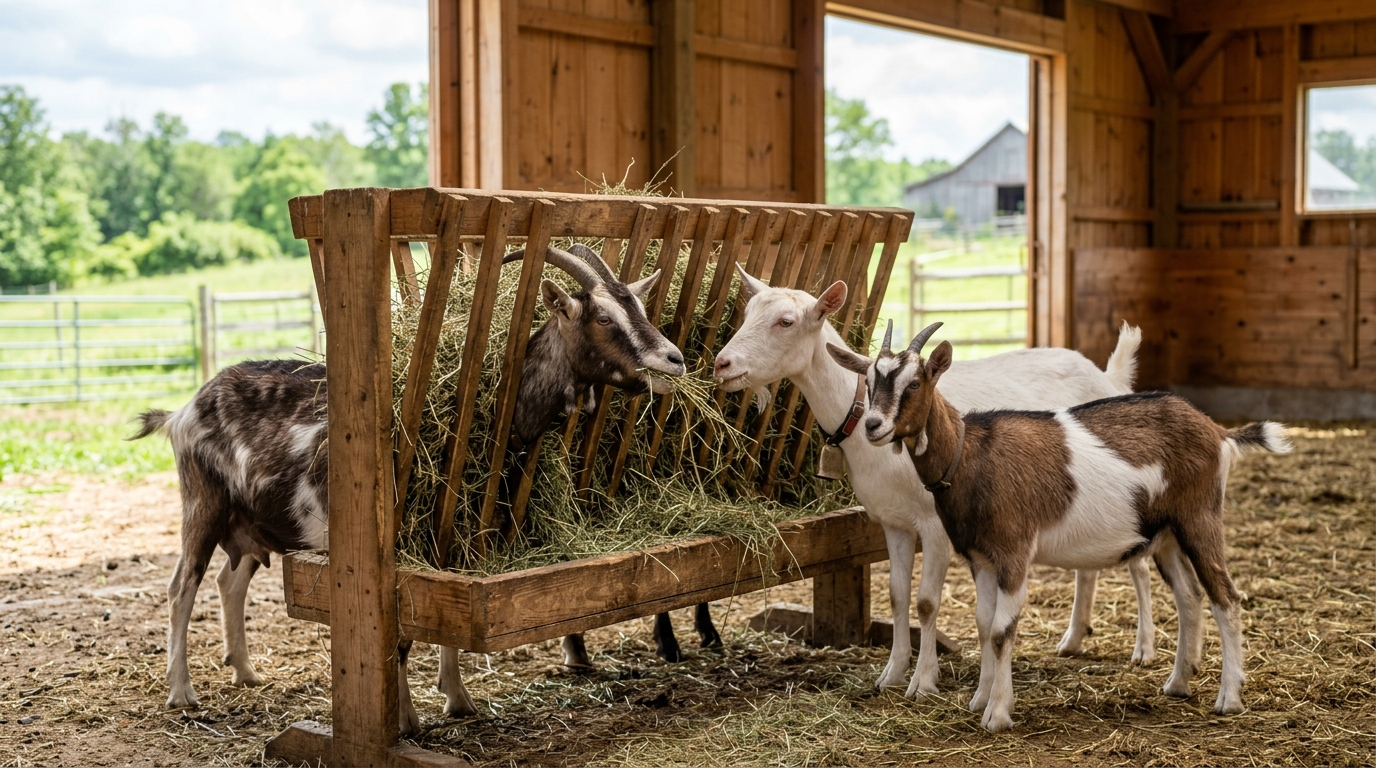
Effective Slow Feeding Systems for Goats
Implementing effective slow feeding systems is crucial for optimizing goat digestion and overall health. Various designs cater specifically to the needs of goats, ensuring they consume hay at a slower, more natural pace. Below are some common slow hay feeder designs along with their advantages and disadvantages.
| Feeder Type | Pros | Cons |
|---|---|---|
| Hanging Net Feeders |
|
|
| Slow Feed Hay Bins |
|
|
| DIY Slow Feeders |
|
|
When selecting a slow hay feeding system, consider factors such as herd size, available space, and budget. Each design offers unique benefits and challenges, so choose one that aligns with the specific needs of the goats and the management practices in place.
How to Implement Slow Hay Feeding Techniques
Effectively transitioning goats to a slow hay feeding system involves strategic planning and gradual implementation. Following these steps will help ensure a smooth adaptation for the animals while maintaining their health and well-being.
- Select Appropriate Slow Feeders: Choose slow hay feeders designed for goats that limit the rate at which hay can be consumed. Options include netted feeders or feeders with small openings that encourage slower eating.
- Introduce Slowly: Begin by placing slow feeders alongside traditional feeding methods. This allows goats to acclimate to the new feeding system without sudden changes in their routine.
- Monitor Eating Behavior: Observe goats as they adapt to the slow feeding system. Look for signs of stress or difficulty while eating. Adjust feeder height or opening sizes as needed to ensure accessibility.
- Gradually Increase Slow Feeding Time: Once goats are comfortable with the slow feeders, gradually increase the duration for which hay is available in these feeders each day. This helps them adapt to consuming their feed at a slower pace.
- Evaluate Health and Digestive Performance: Continuously monitor the health of the goats. Look for improvements in digestion, weight management, and overall behavior. Adjust slow feeding practices based on observations and any changes in health status.
Implementing these steps will facilitate a successful transition to slow hay feeding, promoting better digestion and overall health in goats.
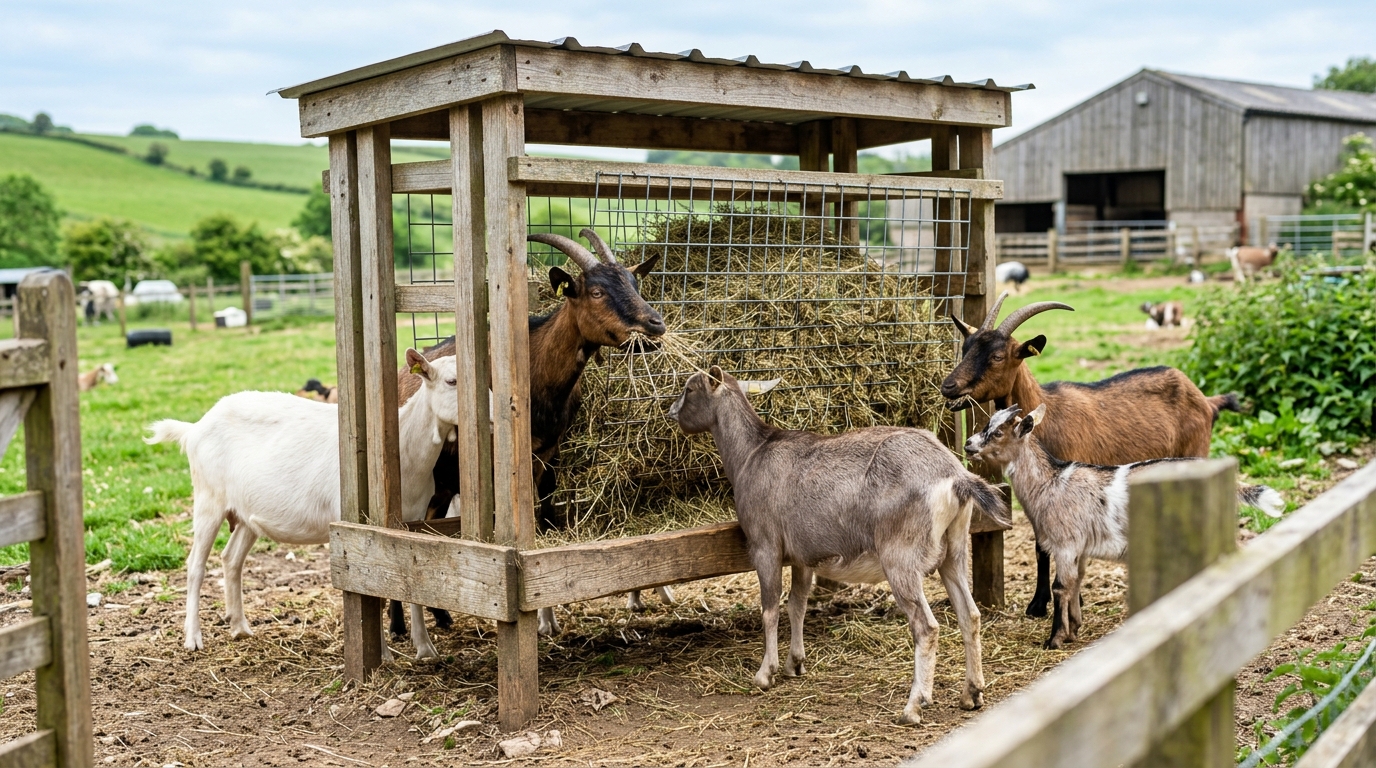
The Impact of Feeding Speed on Goat Digestion
The speed at which goats consume hay significantly influences their digestive processes. Research has shown that faster feeding can lead to inefficient digestion and increased risk of digestive disorders. Understanding this relationship is crucial for optimizing goat health.
Key points regarding feeding speed and its impact on digestion include:
- Digestive Efficiency: Goats that feed slowly tend to have better digestive efficiency. This is attributed to prolonged chewing, which enhances mechanical breakdown and increases saliva production. Saliva plays a crucial role in neutralizing stomach acids and facilitating digestion.
- Rumination Patterns: Slow feeding mimics natural grazing behavior, promoting regular rumination. When goats are allowed to eat slowly, they engage in more frequent rumination, which is essential for effective fiber digestion and nutrient absorption.
- Reduced Incidence of Disorders: Rapid intake of hay can result in digestive issues such as bloat, indigestion, and acidosis. By implementing slow feeding techniques, breeders can significantly reduce these risks, leading to healthier goats.
- Behavioral Observations: Studies have indicated that goats fed slowly exhibit calmer behaviors, which may correlate with lower stress levels. Stress can negatively impact digestion and overall health, making slow feeding an essential practice for maintaining goat well-being.
The relationship between feeding speed and digestive health underscores the importance of implementing slow hay feeding systems in goat management. These systems not only enhance digestion but also contribute to the overall health of the herd.
Nutritional Needs and Hay Selection for Optimal Goat Digestion
Selecting high-quality hay is essential for optimizing goat digestion, especially when implementing slow hay feeding systems. The nutritional content of hay directly influences the effectiveness of the digestive process. Quality hay supports rumen health, enhances nutrient absorption, and promotes overall well-being in goats.
Key factors to consider when selecting hay for goats include:
- Fiber Content: Goats require a high-fiber diet to promote proper rumination and gut motility. Hay that is too coarse or too fine can affect digestion efficiency.
- Protein Levels: Adequate protein is vital for growth and milk production. Choosing hay with appropriate protein levels ensures goats receive adequate nutrition.
- Mineral Content: Minerals such as calcium and phosphorus are essential for bone health and metabolic functions. Ensuring hay provides these minerals supports overall health.
- Freshness: Fresh, properly stored hay reduces the risk of mold and spoilage, which can negatively impact digestion and overall health.
The following list outlines the best types of hay for goats and their specific benefits:
| Hay Type | Nutritional Content | Benefits |
|----------------|-------------------------------------|--------------------------------------------------------------|
| Alfalfa Hay | High in protein (15-20%), calcium | Supports growth, lactation, and overall health. |
| Timothy Hay | Moderate protein (8-12%), high fiber| Promotes good digestion and maintains healthy body weight. |
| Orchard Grass | Moderate protein (10-15%), palatable| Encourages natural grazing behavior, ideal for picky eaters. |
| Clover Hay | High in protein (15-20%), rich in nutrients| Boosts energy levels and nutrient intake, beneficial for breeding females. |
Choosing the right hay type and ensuring its quality are critical components of a successful slow feeding strategy. By providing goats with high-quality hay, breeders can enhance digestion, promote health, and improve overall herd productivity.
Final Words
Final Words
Implementing slow hay feeding techniques directly enhances goat digestion by aligning feeding practices with natural behaviors. The benefits are clear: improved nutrient absorption, reduced digestive disorders, and overall better gut health. Various effective slow feeding systems can be tailored to meet individual farm needs, ensuring goats adapt smoothly.
By prioritizing the nutritional quality of hay and employing these methods, goat owners can significantly boost their herd's digestive efficiency. Understanding how slow hay feeding improves goat digestion ultimately leads to healthier, more productive animals and a more rewarding farming experience.
FAQ
Q: How does slow hay feeding improve goat digestion?
A: Slow hay feeding enhances goat digestion by mimicking natural grazing. It promotes rumination and fiber breakdown, leading to better digestive efficiency and nutrient absorption.
Q: What are the benefits of slow hay feeding for goats?
A: Benefits include improved nutrient absorption, reduced risk of digestive disorders, enhanced gut health, increased satiety, and better overall well-being, supported by scientific studies and expert opinions.
Q: What are effective slow feeding systems for goats?
A: Effective slow feeding systems include various feeder designs that promote prolonged eating. Each design has unique pros and cons, optimizing feeding behavior and digestive health.
Q: How can one implement slow hay feeding techniques for goats?
A: Implement slow hay feeding by following these steps: assess current feeding, choose a slow feeder, introduce hay gradually, monitor goat behavior, and adjust feeding as needed for optimal health.
Q: What is the impact of feeding speed on goat digestion?
A: Feeding speed significantly affects digestion; slower feeding enhances digestive efficiency and reduces the likelihood of disorders, as supported by research on goat feeding behavior and health outcomes.
Q: How do nutritional needs influence hay selection for goats?
A: Selecting quality hay based on nutritional needs is crucial for digestion. High-fiber hays like alfalfa, timothy, and orchard grass support digestive health and provide essential nutrients for goats.


