
First Time Using a Goat Milking Machine Expect Success

Is the thought of using a goat milking machine intimidating? For many first-time users, it can feel like stepping into uncharted territory. However, understanding the machine's features and operation can turn that anxiety into confidence. This guide will detail what to expect during your initial experience with a goat milking machine, including essential components and their functions. By familiarizing yourself with the setup and process, you’ll set the stage for a successful milking session that benefits both you and your goats.
Understanding the Goat Milking Machine: What to Expect
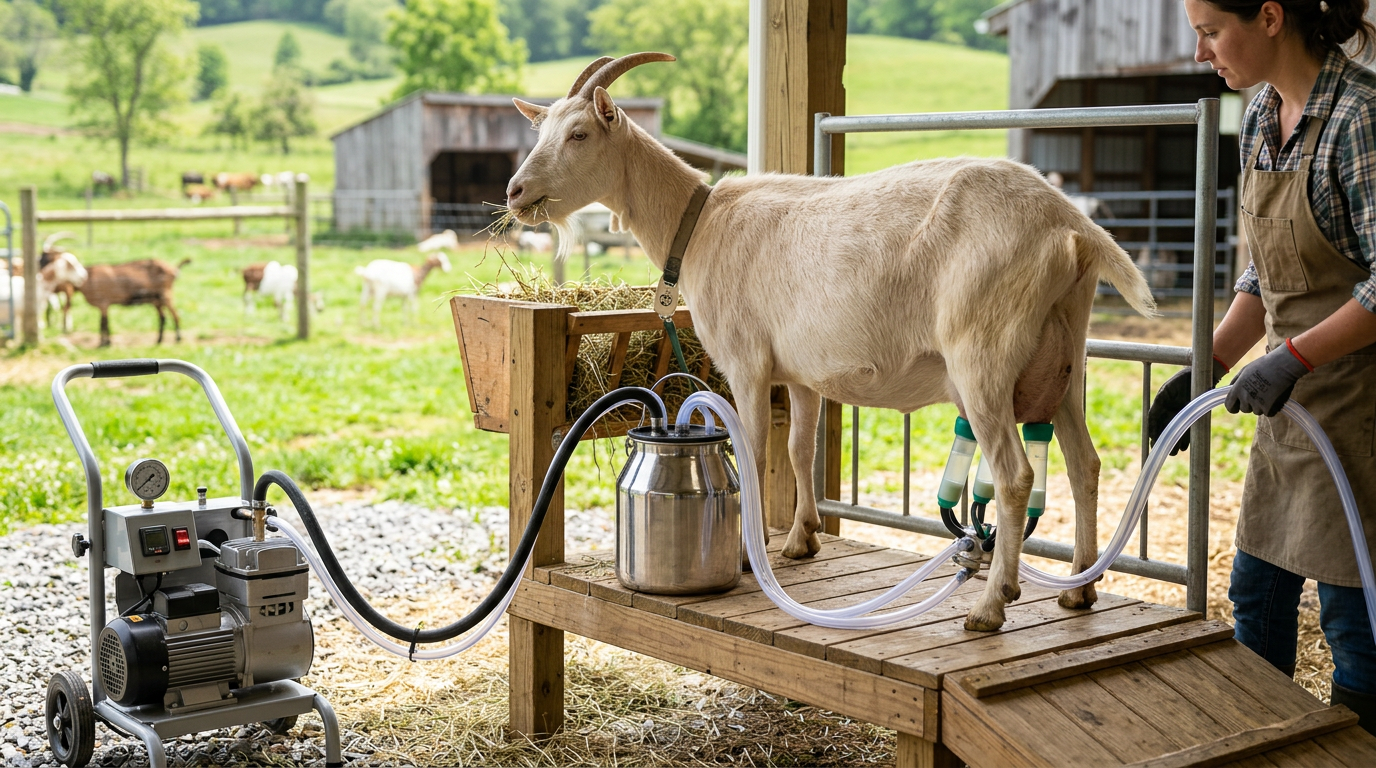
Key features of a goat milking machine include several essential components that work in unison to facilitate the milking process:
- Vacuum pump: This component generates suction, effectively drawing milk from the goat’s udder.
- Milking unit: Designed to attach securely to the goat's udder, ensuring efficient milk extraction while minimizing discomfort.
- Milk collection container: This container holds the milk during milking and allows for easy transport and storage afterward.
What to Expect
- Initial setup time: Expect to spend approximately 30 minutes familiarizing yourself with the machine and setting it up before your first use.
- Sound and feel: The machine will emit distinct sounds during operation, which may initially startle the goats. Users should prepare for the vibrations and sensations as the machine operates.
- Goat reactions: First-time milking may elicit various responses from the goats. Some may be curious or uneasy initially, while others might adapt quickly to the process.
Familiarizing oneself with the machine before use is crucial. Understanding its components and operation will help reduce anxiety for both the user and the goats, leading to a smoother milking experience. Regular practice will increase confidence and improve overall efficiency in future sessions.
Preparing for Your First Goat Milking Experience
Successful goat milking relies on thorough preparation. First-time users should follow these key steps to ensure a smooth and efficient process.
Preparation Steps
- Clean the milking area thoroughly: Gather the following cleaning supplies:
- Disinfectant solution
- Clean cloths
- Buckets for waste
- Broom and dustpan
- Ensure goats are calm and comfortable: Use these calming techniques:
- Provide familiar feed or treats
- Play soft music or use gentle voices
- Allow goats to acclimate to the milking area
- Prepare the milking machine: Check for:
- Cleanliness of all components
- Proper functioning of the vacuum pump and milking units
- Adequate milk collection containers
Hygiene Practices to Follow
- Wash hands before milking: Maintain a strict hand-washing routine to prevent contamination.
- Clean the udder with warm water and a clean cloth: This practice ensures milk quality and promotes goat hygiene.
Establishing a consistent routine for both the goats and the user is vital. Familiarity reduces stress and enhances the overall milking experience, leading to successful outcomes.
Step-by-Step Guide: How to Use a Goat Milking Machine
Using a goat milking machine can significantly streamline the milking process. Here’s a detailed, step-by-step guide to ensure successful use for first-timers.
Step-by-Step Instructions
- Prepare the milking machine:
- Check all settings and ensure the vacuum pump is set to the recommended pressure for the specific model. This ensures optimal suction without causing discomfort to the goat.
- Position the milking unit on the goat:
- Gently attach the milking unit to the goat’s udder. Proper placement is crucial to ensure a secure fit and effective milking.
- Activate the vacuum pump:
- Turn on the vacuum pump. Monitor the pressure to ensure it remains within the specified range. Incorrect pressure can affect milk flow and potentially harm the goat.
- Monitor the milk flow:
- Observe the flow of milk through the collection container. Signs of successful milking include consistent flow and a steady rhythm. If the flow stops or is erratic, check the attachment and pressure.
- Detach the milking unit once milking is complete:
- After milking, turn off the vacuum pump before carefully removing the milking unit. This prevents any discomfort to the goat and allows for a smooth transition.
Common Experiences During the Process
- Milk flow variability: Users may notice differences in milk flow due to factors such as goat temperament, udder fullness, or machine settings. Patience is crucial.
- Goat reactions: Some goats may remain calm during the process, while others may exhibit signs of anxiety. Understanding individual goat behavior can help mitigate stress.
Tips for a Smooth Operation
- Maintain a calm environment: Reducing noise and distractions can help keep both the goat and the user relaxed.
- Regular checks of the machine during use: Monitoring the vacuum pressure and ensuring all components are functioning properly can prevent issues during milking.
Following this guide will enhance confidence and efficiency, making the first experience with a goat milking machine a success.
Troubleshooting Common Challenges with Goat Milking Machines
Even with preparation, first-time users may encounter challenges when using a goat milking machine. Identifying these common issues and knowing how to resolve them is crucial for a successful milking experience.
Common Challenges
- Machine not creating enough suction:
- Blocked hoses or filters
- Insufficient power supply
- Faulty vacuum pump
- Milk not flowing properly:
- Incorrect milking unit attachment
- Goat's udder not fully stimulated
- Milk line kinks or obstructions
- Goat discomfort during milking:
- Improper milking unit fit or size
- Insufficient pre-milking udder preparation
- Goat's anxiety or stress levels
Maintenance Tips
- Regularly clean all components after use:
- Disassemble the machine and wash with warm, soapy water.
- Sanitize all parts that come into contact with milk.
- Check for wear and tear on the milking units:
- Inspect rubber liners and seals for cracks or hardening.
- Replace any damaged parts promptly to maintain efficiency.
- Schedule routine maintenance checks:
- Conduct checks every 3 to 6 months to ensure optimal performance.
- Keep a log of maintenance activities and any replacements made.
Maintaining a troubleshooting guide within reach can provide quick reference and ensure rapid resolution of issues as they arise. This proactive approach not only enhances the milking process but also contributes to the longevity of the equipment.
First Time Using a Goat Milking Machine: Expect Success
Implementing safety and hygiene practices is crucial for a positive first-time experience with a goat milking machine. These guidelines ensure both the goats' well-being and the quality of the milk produced.
Safety Tips
- Always supervise goats during milking: Watch for signs of agitation, such as:
- Restlessness or fidgeting
- Vocalizations (excessive bleating)
- Attempting to escape or kick
- Use protective gear: Equip yourself with:
- Gloves to maintain hygiene and protect against contaminants
- Aprons to keep clothing clean and dry
- Ensure the milking area is free from hazards: Check for:
- Loose equipment or obstacles
- Slippery surfaces that could cause falls
- Proper lighting to avoid accidents
Best Hygiene Practices
- Clean the milking machine before and after each use: Follow these steps:
- Disassemble the machine components
- Use a disinfectant solution to sanitize all parts
- Rinse thoroughly to remove any residue
- Follow a strict hand-washing routine: Wash hands:
- Before starting the milking process
- After handling goats or equipment
- Store milk in a clean, sanitized container: Use containers that are:
- Made of food-grade materials
- Thoroughly cleaned and dried prior to use
Adhering to these practices is essential for maintaining goat health and producing high-quality milk. A systematic approach to safety and hygiene will foster confidence during the milking process, leading to successful outcomes.
Final Words
Final Words
Milking goats with a machine can significantly streamline the process. Users should understand the machine's key components, including the vacuum pump, milking unit, and milk collection container. Preparation is crucial—cleaning the area and ensuring goats are calm sets the stage for effective milking.
Following a detailed step-by-step guide allows for a smooth experience, and being aware of common challenges helps in troubleshooting. Safety and hygiene practices are non-negotiable for both goat welfare and milk quality.
With proper preparation and understanding, first-time users can confidently navigate the milking process. Embrace the experience, and remember, First Time Using a Goat Milking Machine What to Expect is a valuable resource for ongoing success.
FAQ
Q: What are the key components of a goat milking machine?
A: A goat milking machine consists of a vacuum pump for suction, a milking unit that attaches to the udder, and a milk collection container for storage.
Q: What should a first-time user expect during initial setup?
A: First-time users can expect to spend approximately 30 minutes on setup, including familiarization with the machine's sound and operation.
Q: How can one prepare for their first goat milking experience?
A: Preparation involves cleaning the milking area, ensuring goats are calm, and checking the machine for cleanliness and functionality.
Q: What hygiene practices are essential before milking?
A: Essential hygiene practices include washing hands and cleaning the goat's udder with warm water and a clean cloth prior to milking.
Q: What are the steps to effectively use a goat milking machine?
A: Steps include preparing the machine, positioning the unit, activating the vacuum pump, monitoring milk flow, and detaching the unit after milking.
Q: How can one troubleshoot common issues with goat milking machines?
A: Common issues include insufficient suction, milk flow problems, or goat discomfort. Regular cleaning and maintenance can prevent these challenges.
Q: What are important safety tips during goat milking?
A: Important safety tips include supervising goats, wearing protective gear, and ensuring the milking area is hazard-free to avoid accidents.
Q: What best practices should be followed for hygiene during milking?
A: Best practices include cleaning the machine before and after use, adhering to a strict hand-washing routine, and storing milk in sanitized containers.


