
Feeding Hay to Goats and Sheep From One Setup Made Easy

Are you still using separate setups to feed your goats and sheep? This common practice may be wasting your time, space, and resources. Imagine the efficiency of a single feeding system tailored for both species, streamlining your operations and enhancing their nutrition. In this post, we’ll explore how to simplify your feeding routine while optimizing costs. By merging feeding practices, you can maintain a healthier herd and a more organized farm. Let's dive into the practicalities of feeding hay to goats and sheep from one setup, making your life easier and your livestock happier.
Overview of Feeding Hay to Goats and Sheep From One Setup
Feeding hay to both goats and sheep from a single setup offers significant advantages in terms of space optimization and cost efficiency. With careful planning, breeders can streamline their feeding processes, ensuring that both species receive adequate nutrition without the complexity of multiple feeding stations.
Key considerations for a dual feeding system include:
- Space Efficiency: A single feeder can accommodate both species, reducing the footprint required for feeding areas. This is particularly beneficial for breeders with limited space.
- Cost Reduction: By consolidating feeding systems, breeders eliminate the need for duplicate equipment, lowering initial investment and maintenance costs.
- Simplified Management: Managing one feeding station simplifies daily routines, allowing for easier monitoring of hay consumption and animal health.
- Nutritional Balance: A well-designed feeder can cater to the dietary needs of both goats and sheep, preventing waste and ensuring that each animal receives the appropriate amount of hay.
- Reduced Competition: A shared feeding setup can be designed to minimize aggressive behavior and competition for food, promoting a more harmonious feeding environment.
Implementing a dual feeding system requires careful consideration of the design and layout to ensure that it meets the needs of both animals. By focusing on efficiency and practicality, breeders can enhance their hay feeding practices and promote better health outcomes for their herds.
Design Options for Feeding Hay to Goats and Sheep
When establishing a feeding system for both goats and sheep, several design options can enhance efficiency and usability. Each type of feeder has unique advantages and disadvantages that can impact feeding practices and animal health.
1. Portable Hay Feeders
- Advantages: Easy to move, adaptable to different locations, and can be used in various pastures.
- Disadvantages: May require more frequent refilling and can be less stable in windy conditions.
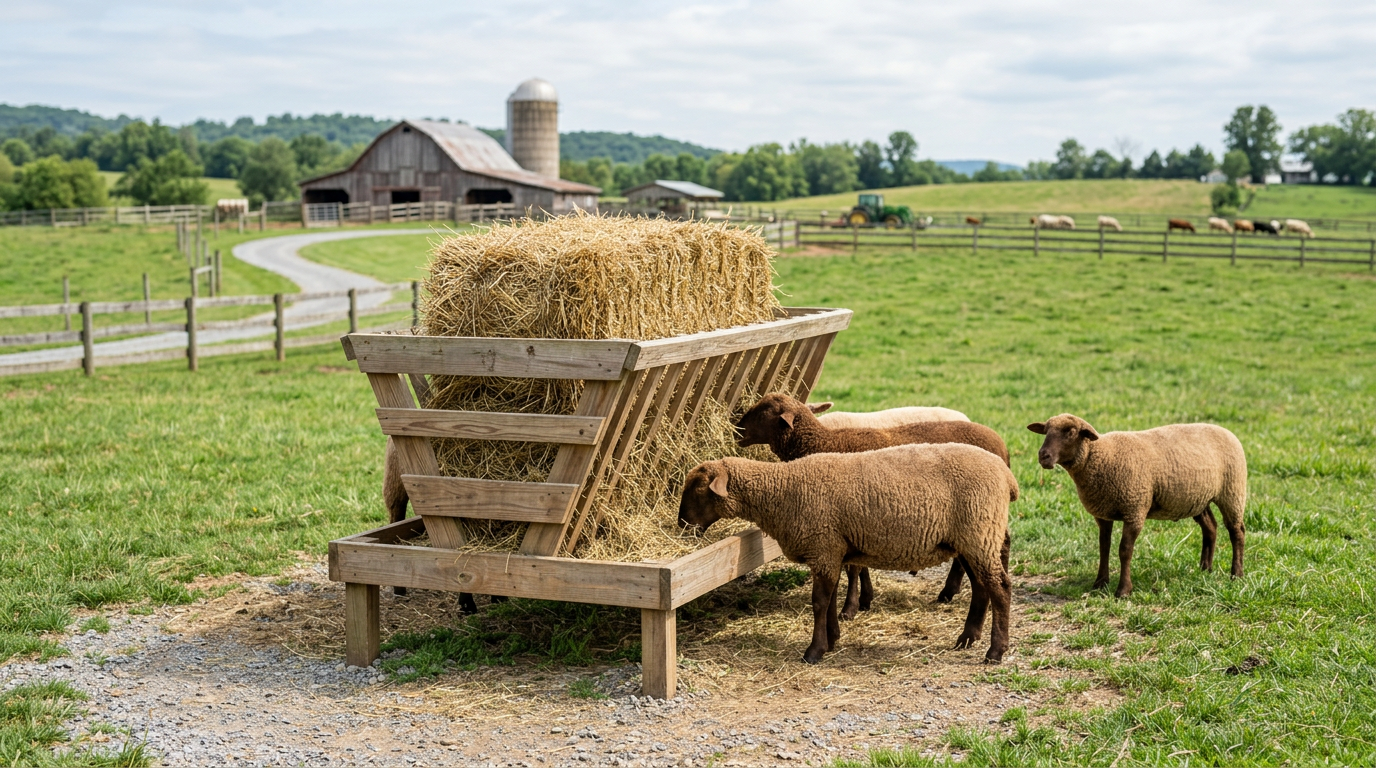
2. Round Bale Feeders
- Advantages: Allows multiple animals to feed simultaneously, minimizing competition. Designed to reduce waste from trampling.
- Disadvantages: Requires more space and can be costly to purchase.
3. Automatic Hay Feeders
- Advantages: Provides a consistent supply of hay and can be programmed for specific feeding times. Reduces labor significantly.
- Disadvantages: Higher initial investment and may require electricity or batteries.
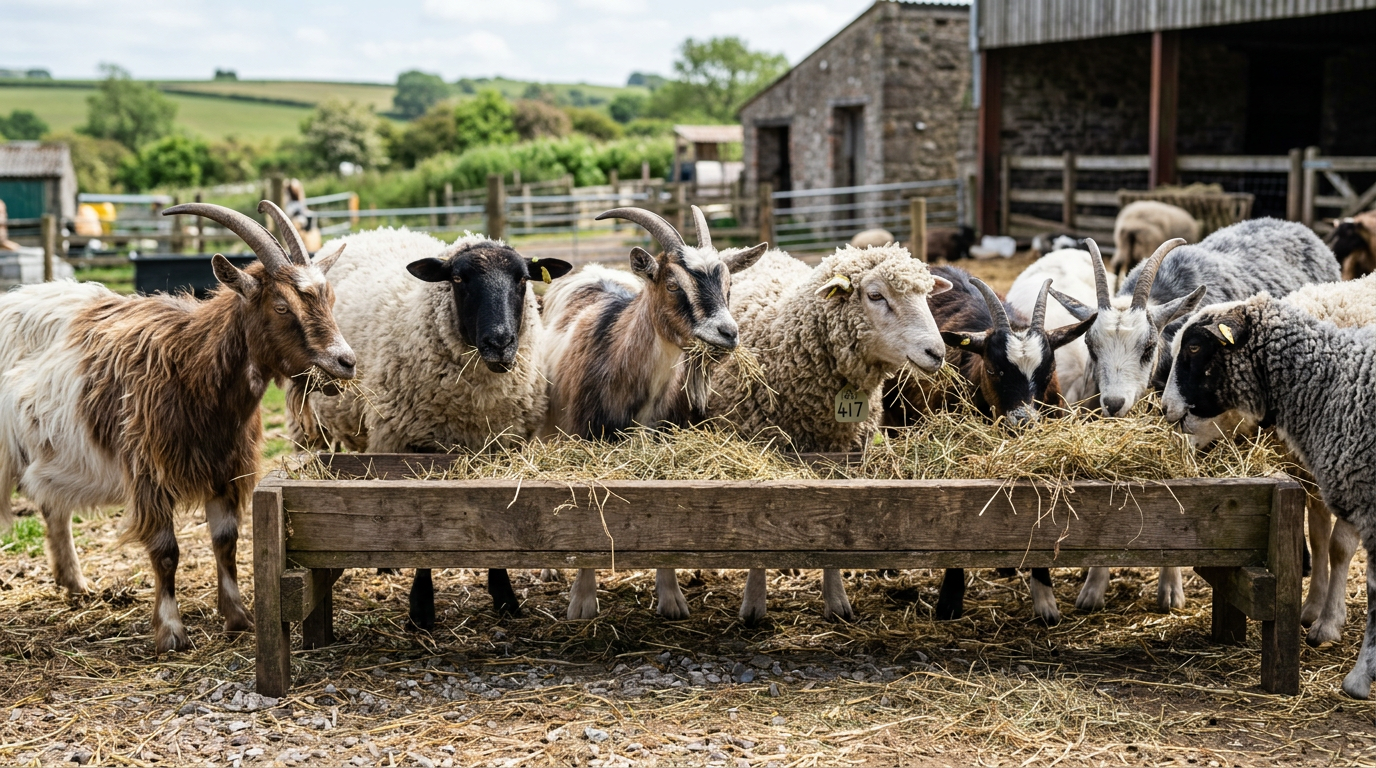
4. Trough Feeders
- Advantages: Simple design and easy to clean. Can hold a large quantity of hay for both species.
- Disadvantages: May encourage waste if not designed correctly; potential for overcrowding.
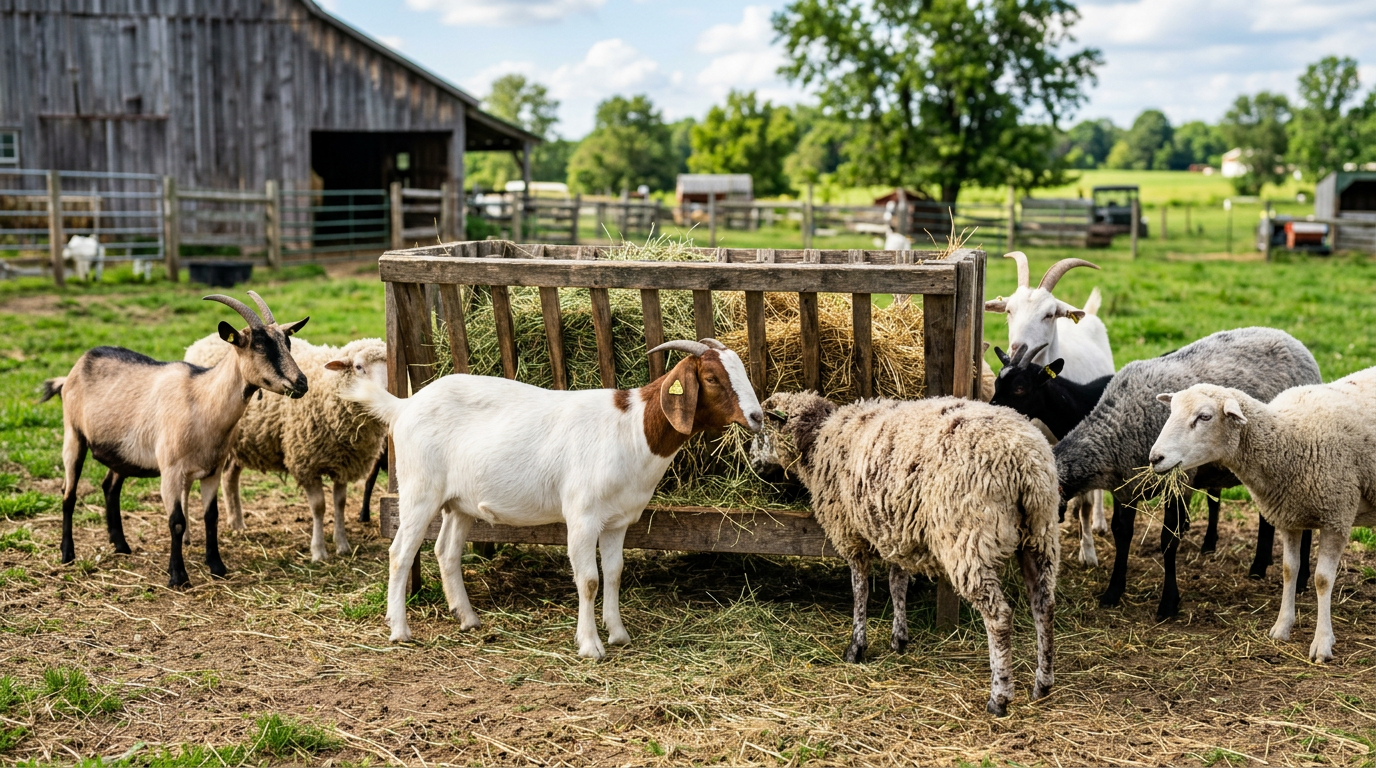
5. Hay Racks
- Advantages: Minimizes waste by keeping hay elevated and clean. Can be combined with other feeding systems.
- Disadvantages: Limited capacity and may require regular maintenance to prevent wear and tear.
Choosing the right design for hay feeding involves evaluating the specific needs of the herd and available resources. Implementing a combination of these feeder types can optimize hay consumption and improve overall feeding efficiency.
| Feeder Type | Advantages | Disadvantages |
|---|---|---|
| Portable Hay Feeders | Easy to move, adaptable | Frequent refilling needed |
| Round Bale Feeders | Minimizes competition, reduces waste | Requires space, higher cost |
| Automatic Hay Feeders | Consistent supply, reduces labor | Higher investment, power needed |
| Trough Feeders | Simple design, easy to clean | May encourage waste |
| Hay Racks | Minimizes waste | Limited capacity, maintenance needed |
Best Hay Types for Goats and Sheep
Selecting the right hay type is crucial for the health and productivity of both goats and sheep. Each species has distinct nutritional needs, and understanding these requirements helps breeders choose the most suitable hay for their herd.
Common hay types include:
- Alfalfa Hay: Rich in protein and calcium, alfalfa is an excellent choice for young, lactating, or pregnant animals. However, it may not be ideal for mature goats and sheep due to its high protein content.
- Timothy Hay: A popular grass hay, Timothy provides adequate fiber and is suitable for all life stages. It's particularly beneficial for maintaining digestive health.
- Orchard Grass Hay: This grass hay is soft and palatable, making it appealing to both goats and sheep. It offers a good balance of fiber and energy.
- Bermudagrass Hay: A warm-season grass, Bermudagrass is lower in protein but high in fiber, making it suitable for mature animals not in lactation or growth stages.
- Meadow Hay: A mix of grasses and legumes, meadow hay can vary in quality but often provides a balanced diet for both species.
Below is a comparison of the nutritional content and suitability of different hay types for goats and sheep:
| Hay Type | Nutritional Value | Best For |
|---|---|---|
| Alfalfa Hay | High protein (15-20%), High calcium | Young, lactating, or pregnant animals |
| Timothy Hay | Moderate protein (8-12%), Good fiber | All life stages |
| Orchard Grass Hay | Moderate protein (10-12%), Good fiber | All life stages |
| Bermudagrass Hay | Low protein (8-10%), High fiber | Mature animals not in lactation |
| Meadow Hay | Varies, often balanced | General feeding |
Feeding Techniques and Management
Efficient feeding techniques are essential for ensuring that both goats and sheep receive the proper nutrition from a shared hay feeding setup. The following best practices can help optimize hay distribution and support the health of both species.
- Consistent Hay Distribution: Use a designated feeder that allows for equal access to hay for both goats and sheep. Ensure that hay is distributed evenly to prevent competition and aggressive behavior.
- Monitor Hay Quality: Regularly check the hay for mold or spoilage. High-quality hay is crucial for the health of both animals. Remove any spoiled hay immediately to prevent health issues.
- Adjust Feeding Frequency: Depending on the needs of the animals, adjust the frequency of hay distribution. Goats may require more frequent feeding than sheep due to their different digestive systems.
- Observe Feeding Behavior: Monitor how each species interacts at the feeder. Look for signs of stress or competition, and be prepared to adjust the setup if issues arise.
- Track Health Indicators: Keep an eye on body condition scores, weight, and overall health. Changes in these indicators may signal dietary deficiencies or overconsumption.
- Implement Routine Checks: Conduct daily checks to assess hay intake and ensure all animals have access. This can help identify any potential health issues early.
Monitoring Methods for Health Management:
| Monitoring Method | Description |
|---|---|
| Body Condition Scoring | Evaluate the condition of goats and sheep regularly to ensure they maintain a healthy weight. |
| Weight Tracking | Weigh animals periodically to monitor growth and overall health. |
| Behavior Observation | Watch for signs of stress, competition, or changes in feeding habits. |
| Fecal Checks | Examine feces for signs of digestive health and proper intake of nutrients. |
By implementing these feeding techniques and monitoring methods, breeders can ensure that both goats and sheep thrive while sharing a feeding setup.
Maintenance and Hygiene of Feeding Setup
Maintaining hygiene in hay feeding setups is critical for the health and well-being of both goats and sheep. Regular cleaning and upkeep prevent mold growth and ensure that animals receive safe and nutritious feed. Neglecting maintenance can lead to health issues, such as respiratory problems or digestive disorders, stemming from contaminated hay.
Practical maintenance tips include:
- Regular Cleaning Schedule: Establish a routine for cleaning the feeder. Remove old hay and debris at least once a week to prevent mold and attract pests.
- Inspect for Damage: Routinely check the structure of the feeding system for any signs of wear and tear. Repair or replace damaged components promptly to ensure safety.
- Monitor for Mold: Check hay for signs of mold or spoilage before adding new supplies. Discard any moldy hay immediately to prevent health risks.
- Seasonal Adjustments: Adapt the feeding system based on seasonal changes. In wet conditions, consider elevating feeders to minimize moisture exposure and mold growth. During winter, ensure that the feeder is protected from snow and rain.
- Water Supply Management: Ensure that fresh water is always available near the feeding station. Contaminated water can lead to health issues, so clean water containers regularly.
- Pest Control Measures: Implement strategies to deter pests, such as rodents and insects, which can contaminate hay. Use secure storage solutions for hay and regularly inspect the feeding area.
- Disinfecting the Feeder: Use appropriate cleaning agents to disinfect the feeding area periodically. This helps eliminate bacteria and viruses that could harm the flock.
By following these maintenance tips, breeders can create a safe and hygienic environment for feeding goats and sheep, ultimately promoting better health and productivity in their herds.
Challenges and Solutions in Dual Feeding
Feeding goats and sheep from a single setup presents unique challenges that breeders must address to ensure efficient and harmonious feeding. Understanding these challenges allows for better management strategies and improved animal welfare.
Common Challenges:
- Behavioral Issues: Goats are often more dominant and can exhibit aggressive behavior during feeding, potentially leading to stress for sheep.
- Competition for Resources: When both species feed together, competition can arise, resulting in inadequate intake for one or both species.
- Nutritional Imbalance: Goats and sheep have different nutritional needs; ensuring both receive adequate nutrition can be challenging in a shared feeding scenario.
- Waste Management: Shared feeding setups can lead to increased waste if not designed properly, compromising hygiene and health.
Solutions and Management Strategies:
- Feeding Space: Design feeders with separate sections to allow each species to feed comfortably, minimizing aggressive interactions.
- Monitoring Behavior: Observe feeding behaviors and adjust feeding times or locations to reduce competition, ensuring both species have access to food.
- Nutritional Planning: Provide hay types that meet the nutritional needs of both species or supplement with additional feed as needed.
- Cleaning Protocols: Implement regular cleaning and maintenance schedules for the feeding setup to manage waste and prevent health issues.
- Educating Staff: Train all personnel involved in feeding practices to recognize behavioral signs and intervene when necessary, ensuring a peaceful feeding environment.
By proactively addressing these challenges with strategic solutions, breeders can successfully implement a dual feeding system that benefits both goats and sheep.
Final Words
Final Words
Implementing a shared feeding setup for goats and sheep streamlines the process, optimizing space and costs while enhancing feeding practices. The exploration of design options reveals various systems, from portable to automatic feeders, each with unique advantages.
Selecting the right hay type is crucial for meeting the nutritional needs of both animals. Effective feeding techniques and regular maintenance ensure the health and safety of the livestock.
Addressing challenges in dual feeding with strategic solutions promotes a harmonious feeding environment. Feeding hay to goats and sheep from one setup not only simplifies management but also contributes to the overall well-being of both species.
FAQ
Q: Why is it beneficial to feed hay to goats and sheep from one setup?
A: A single feeding setup optimizes space and reduces costs, enhancing efficiency and practicality for managing both species effectively.
Q: What are some design options for feeding hay to goats and sheep?
A: Options include portable feeders, automatic systems, and stationary designs. Each has unique advantages and disadvantages, allowing customization based on specific needs.
Q: What types of hay are best for goats and sheep?
A: Optimal hay types vary for each species. Recommended varieties provide essential nutrients, ensuring both goats and sheep meet their dietary requirements.
Q: What feeding techniques enhance hay management for goats and sheep?
A: Effective strategies include monitoring intake, using proper distribution methods, and regularly assessing animal health to maintain optimal feeding practices.
Q: How can I maintain hygiene in a hay feeding setup?
A: Regular cleaning, inspecting for mold, and implementing seasonal adjustments are crucial steps to ensure a safe and effective feeding environment.
Q: What challenges arise when feeding goats and sheep together?
A: Common challenges include behavioral issues and competition for resources. Solutions involve strategic management and monitoring to reduce conflicts between species.


