
Cutting Hay Waste Without Cutting Feed Quality for Livestock

Are you aware that livestock operations can lose up to 30% of their hay due to waste? This staggering statistic highlights a critical issue for farmers and ranchers: minimizing hay waste without sacrificing feed quality is essential for sustainable livestock management. By addressing hay storage and feeding practices, producers can significantly enhance feed efficiency and protect their bottom line. This blog will explore practical strategies to cut hay waste while ensuring your livestock receive the high-quality nutrition they need to thrive.
Cutting Hay Waste Without Cutting Feed Quality for Livestock
Minimizing hay waste is crucial for livestock operations as it directly impacts feed efficiency and overall productivity. Effective management of hay resources not only conserves costs but also ensures that animals receive high-quality nutrition. Implementing strategies to reduce waste can lead to significant improvements in livestock health and performance.
Key Factors in Hay Waste Management
- Storage Practices: Proper storage methods are essential for maintaining hay quality. Exposure to moisture and poor ventilation can lead to spoilage, resulting in wasted resources. Utilizing covered storage and ensuring adequate airflow can greatly reduce mold and decay.
- Feeding Techniques: The method of feeding can influence waste levels significantly. Employing slow feeders and calculating accurate rations can help ensure that livestock consume the hay effectively, minimizing leftovers. Group feeding can also promote competition and encourage consumption.
- Quality Assessment: Regularly assessing hay quality through visual inspections and laboratory analyses allows for the identification of nutritional deficiencies. This proactive approach can help farmers adjust feed types and quantities to meet livestock needs, preventing waste due to unpalatable or low-quality hay.
Impact on Livestock Efficiency
Reducing hay waste while maintaining feed quality leads to improved health and productivity in livestock. Livestock that receive adequate and nutritious feed are more likely to exhibit better growth rates, reproductive performance, and overall well-being. As a result, effective hay management practices can enhance the profitability of livestock operations.
Effective Storage Techniques for Cutting Hay Waste
Implementing effective storage techniques is essential for minimizing hay waste while maintaining feed quality. Proper storage methods help preserve the nutritional integrity of hay, ensuring that livestock receive the best possible feed. Here are several actionable storage solutions:
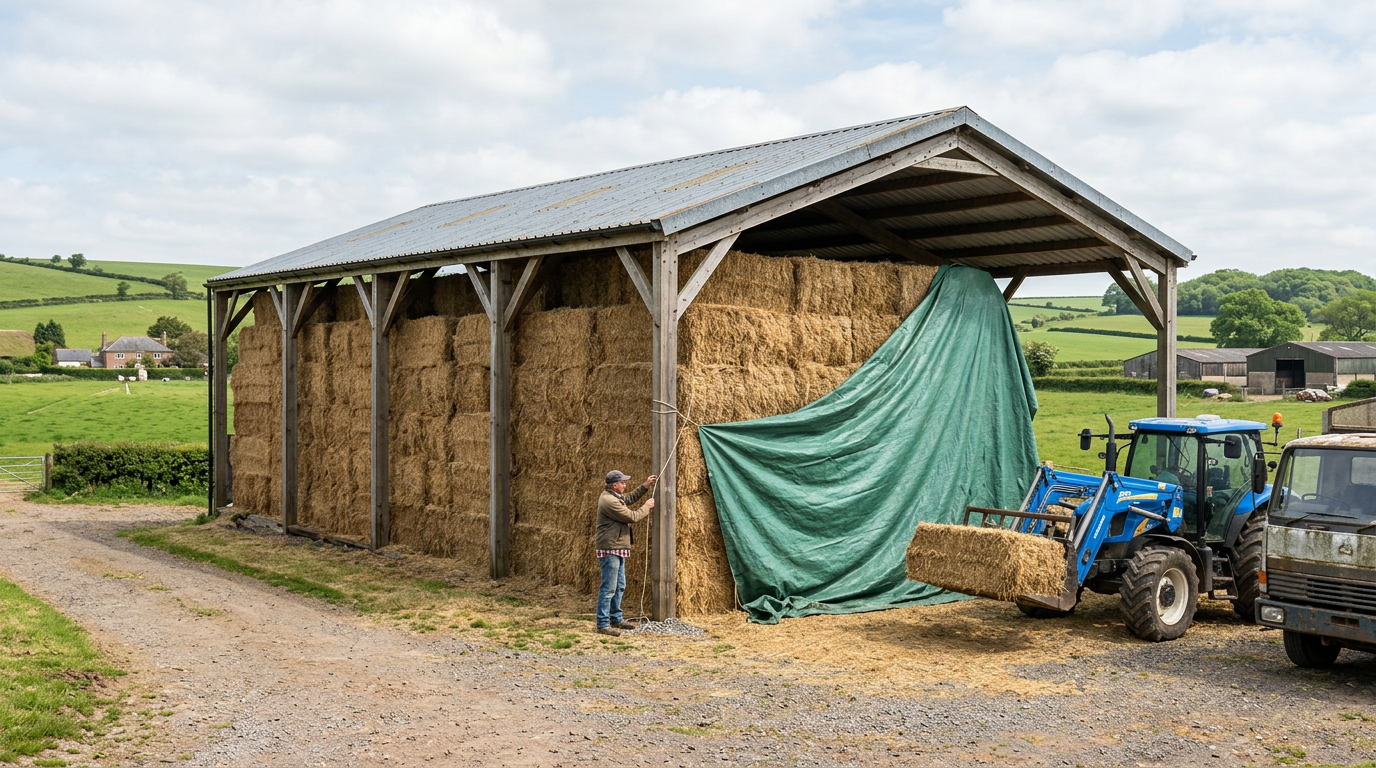
- Covered Storage: Protecting hay from rain and direct sunlight is crucial. Using barns, sheds, or tarps can prevent moisture absorption and degradation. This method significantly reduces the risk of mold development and spoilage.
- Proper Ventilation: Ensuring adequate airflow around stored hay is vital. Ventilated storage solutions help dissipate moisture and maintain dry conditions. Good airflow minimizes the chance of heat buildup, which can lead to spontaneous combustion or spoilage.
- Moisture Control: Monitoring the moisture content of hay is critical. Ideally, hay should be stored at less than 15% moisture. Using moisture meters can aid in assessing the dryness of bales before storage. Storing hay in low-humidity environments further prevents spoilage.
- Elevation of Bales: Lifting bales off the ground using pallets or racks can prevent moisture absorption from the soil. This practice reduces the risk of mold and decay while also enhancing airflow around the bales.
- Use of Breathable Covers: Employing breathable tarps or covers allows moisture to escape while protecting hay from rain and snow. Unlike plastic covers, breathable materials help maintain an optimal environment, preventing condensation and mold growth.
| Storage Technique | Description |
|---|---|
| Covered Storage | Protects hay from rain and sunlight to prevent moisture and spoilage. |
| Proper Ventilation | Ensures airflow around stored hay to reduce moisture and heat buildup. |
| Moisture Control | Maintains hay moisture content below 15% to prevent spoilage. |
| Elevation of Bales | Prevents moisture absorption from the ground by lifting bales. |
| Use of Breathable Covers | Protects hay while allowing moisture to escape, preventing mold. |
Feeding Practices to Minimize Waste
Implementing efficient feeding practices is essential for reducing hay waste while ensuring that livestock receive high-quality nutrition. By adopting innovative strategies, farmers can optimize hay consumption and minimize leftovers. Here are effective feeding practices to consider:
- Slow Feeders: Utilizing slow feeders encourages livestock to eat more slowly and reduces spillage. These devices help simulate natural grazing behavior, which can lead to better digestion and less waste.
- Regular Feeding Schedules: Establishing consistent feeding times can improve consumption patterns. Regular schedules help livestock anticipate feeding, leading to more efficient intake and reduced waste.
- Calculating Proper Rations: Accurately calculating the amount of hay needed per animal based on their weight and nutritional requirements is critical. This prevents overfeeding and ensures that livestock receive optimal nutrition without excess waste.
- Group Feeding: Feeding animals in groups can enhance competition for feed, promoting quicker consumption. This practice can lead to less hay left uneaten and fosters social interaction among livestock.
- Using Feeding Mats: Implementing feeding mats can reduce waste by containing loose hay and preventing it from being trampled on or soiled. Mats also provide a clean feeding area, encouraging animals to eat more efficiently.
| Feeding Practice | Benefits |
|---|---|
| Slow Feeders | Reduces spillage and mimics natural grazing. |
| Regular Feeding Schedules | Improves consumption patterns and efficiency. |
| Calculating Proper Rations | Prevents overfeeding and optimizes nutrition. |
| Group Feeding | Enhances competition and reduces leftovers. |
| Using Feeding Mats | Contains loose hay and promotes a clean feeding environment. |
Assessing and Ensuring Feed Quality
Regular assessment of hay quality is essential for ensuring that livestock receive optimal nutrition. Implementing effective testing methods allows breeders to identify nutritional deficiencies and adjust feeding strategies accordingly. Here are the key methods for assessing hay quality:
- Visual Inspection: Conducting a thorough visual check of hay can reveal signs of spoilage, mold, or contamination. Observing color, texture, and smell helps in determining the overall quality. Look for bright green hues and soft texture as indicators of good quality.
- Laboratory Analysis: Sending hay samples to a laboratory for comprehensive analysis provides detailed nutritional information. Results include levels of protein, fiber, vitamins, and minerals, enabling precise adjustments to feeding regimens based on specific livestock needs.
- Nutritional Testing Kits: Utilizing portable nutritional testing kits allows for on-site evaluations. These kits can quickly provide insights into protein content and other essential nutrients, enabling immediate decision-making to optimize feed quality.
- Regular Sampling and Monitoring: Establishing a routine for sampling hay from different batches ensures consistent quality checks. Monitoring changes over time helps identify trends in nutrient quality, facilitating proactive management of feed resources.
| Assessment Method | Description |
|---|---|
| Visual Inspection | Quick check for spoilage, color, and texture. |
| Laboratory Analysis | Detailed nutritional breakdown from professional labs. |
| Nutritional Testing Kits | Portable kits for on-site nutrient evaluation. |
| Regular Sampling and Monitoring | Routine checks to assess and track hay quality over time. |
Case Studies and Expert Opinions on Hay Waste Management
Real-life case studies and expert insights highlight the effectiveness of strategies aimed at reducing hay waste while maintaining feed quality. These examples demonstrate the tangible benefits experienced by farmers and agricultural professionals who have successfully implemented these techniques.
- Cost Savings from Reduced Waste: Farmers who adopted covered storage solutions reported significant reductions in hay spoilage. By protecting their hay from moisture and sunlight, they experienced up to 30% lower waste, translating to substantial cost savings on feed purchases.
- Improved Feed Efficiency: Implementing slow feeders has proven to enhance feed efficiency in various livestock operations. One dairy farmer noted a 20% increase in hay consumption when utilizing slow feeders, resulting in less leftover feed and more effective nutrient utilization.
- Enhanced Livestock Health: Regular quality assessments allowed several farmers to identify and correct nutritional deficiencies in their hay. As a result, livestock health improved significantly, with reduced incidences of digestive issues and an overall increase in weight gain among young stock.
- Increased Overall Farm Productivity: A case study involving a beef cattle operation revealed that adopting proper feeding schedules and group feeding practices led to a 15% increase in daily weight gain. Farmers noted that improved feed management not only enhanced livestock performance but also contributed to better reproductive outcomes and overall farm productivity.
| Case Study Insight | Outcome |
|---|---|
| Cost savings from reduced waste | Up to 30% lower waste, substantial cost savings |
| Improved feed efficiency | 20% increase in hay consumption |
| Enhanced livestock health | Reduced digestive issues, increased weight gain |
| Increased overall farm productivity | 15% increase in daily weight gain |
Final Words
Final Words
Effective management of hay waste is crucial for optimizing livestock feed quality. This article outlined practical strategies for reducing hay waste through effective storage techniques, innovative feeding practices, and regular quality assessments.
By implementing covered storage, proper ventilation, and slow feeders, farmers can significantly enhance feed efficiency while ensuring that livestock receive the necessary nutrients.
Real-life case studies demonstrate the tangible benefits of these approaches, from cost savings to improved livestock health.
Emphasizing cutting hay waste without cutting feed quality ultimately leads to a more productive and sustainable farming operation.
FAQ
Q: Why is cutting hay waste important?
A: Cutting hay waste is crucial for improving feed efficiency, maximizing nutrient availability, and reducing costs for farmers and ranchers. It ensures livestock receive high-quality nutrition, enhancing overall productivity.
Q: What are effective storage techniques for hay?
A: Effective storage techniques include:
- Covered storage
- Proper ventilation
- Moisture control
- Elevation of bales
- Use of breathable covers
These methods help preserve hay quality and minimize waste.
Q: How can feeding practices reduce hay waste?
A: Feeding practices that minimize hay waste include:
- Slow feeders
- Regular feeding schedules
- Calculating proper rations
- Group feeding
- Using feeding mats
These strategies optimize hay consumption and maintain feed quality.
Q: What methods assess hay quality?
A: Methods to assess hay quality involve:
- Visual inspection
- Laboratory analysis
- Nutritional testing kits
- Regular sampling and monitoring
These assessments ensure livestock receive optimal nutrition from hay.
Q: What insights do case studies provide on hay waste management?
A: Case studies reveal:
- Cost savings from reduced waste
- Improved feed efficiency
- Enhanced livestock health
- Increased overall farm productivity
These examples highlight the effectiveness of implemented strategies.


